Woman Rescued After 55 Years of Unpaid Labor in Luxury Home Near Fortaleza
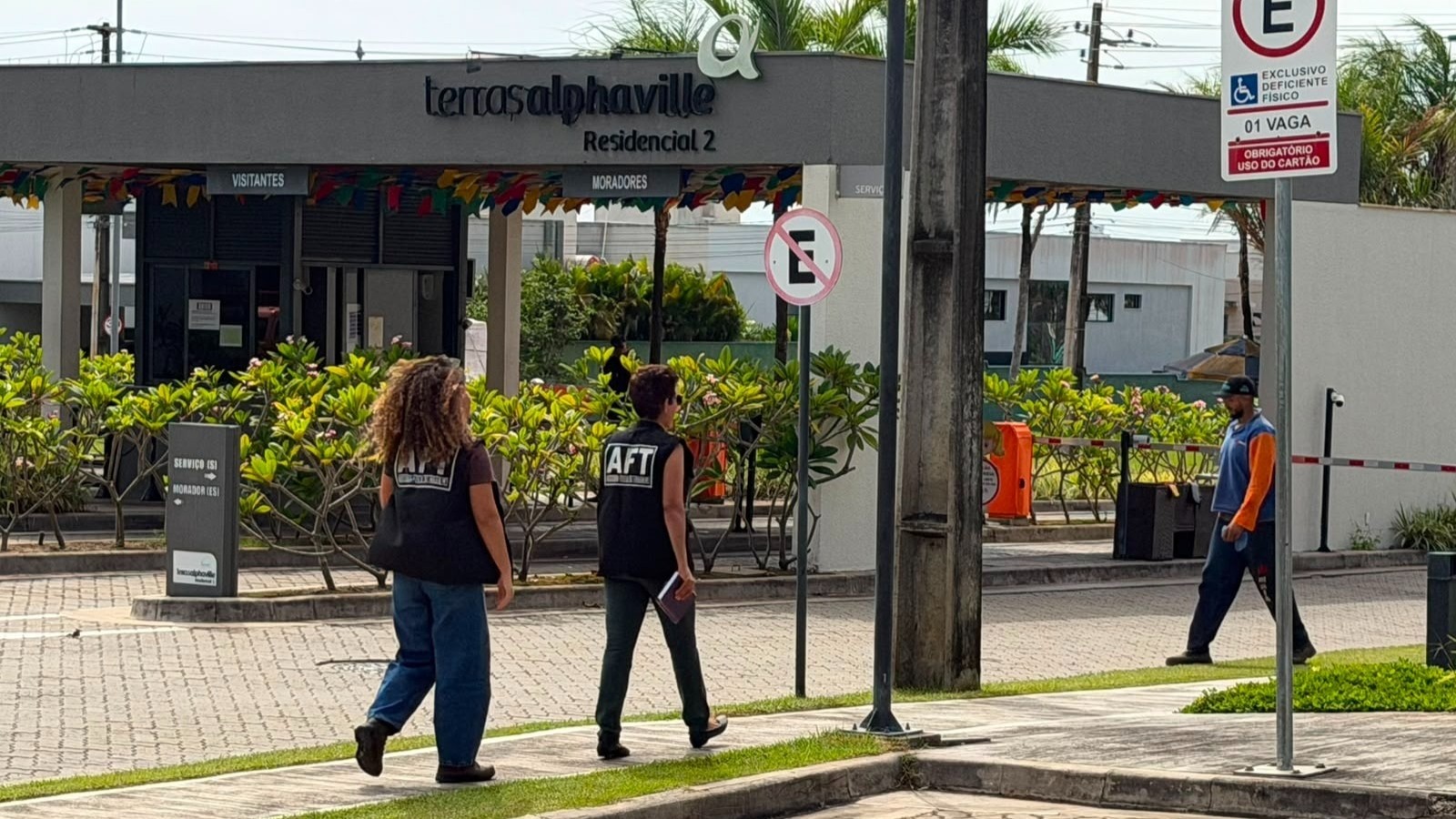
A 62-year-old woman has been rescued from conditions analogous to slavery in a luxury condominium in Eusébio, near Fortaleza, Brazil. She had been working for the same family since she was seven years old, without any salary for 55 years. Her demanding daily routine began at 4:30 AM, encompassing preparing meals, cleaning, organizing the home, and caring for children. The victim was reportedly "given" by her mother to the employer's family in 1971. She served three generations of the same family, moving with them to different residences over the decades. Despite suffering from hypertension and recurring malaise, she continued her duties without interruption. The investigation revealed a severe violation of human dignity due to the absence of remuneration, economic dependence, and lack of educational opportunities. The woman was enrolled in the Cadastro Único and received a Bolsa Família benefit of R$600 monthly, which the employer allegedly managed. Labor authorities estimate her unpaid wages, vacation pay, bonuses, severance, and overtime could exceed R$1.5 million. A Conduct Adjustment Agreement (TAC) was signed, requiring the employers to pay R$50,000 in severance, purchase a R$150,000 home with furnishings, cover social security contributions until retirement, and provide financial support if she doesn't receive benefits by age 64. The agreement does not preclude further legal claims for any outstanding rights.
This case highlights systemic failures in labor law enforcement and social protection for domestic workers, particularly those from vulnerable backgrounds. The prolonged exploitation, spanning over five decades and three generations of a family, suggests a deeply entrenched pattern of abuse facilitated by economic dependency and a lack of oversight. The woman's receipt of social benefits, managed by her employer, further complicates the assessment of her autonomy and access to resources. While the recent agreement provides some financial and housing security, it underscores the challenge of fully rectifying historical injustices and ensuring genuine economic empowerment. Future interventions should focus on proactive education and support systems for at-risk individuals, alongside stricter penalties and monitoring mechanisms to prevent such egregious violations of human rights and labor laws in the future.
AI-generated to prompt reflection — not editorial opinion, not advice, not a statement of fact. How this works.