Woman Rescued from Near-Slavery After 50 Years of Unpaid Labor in Luxury Home
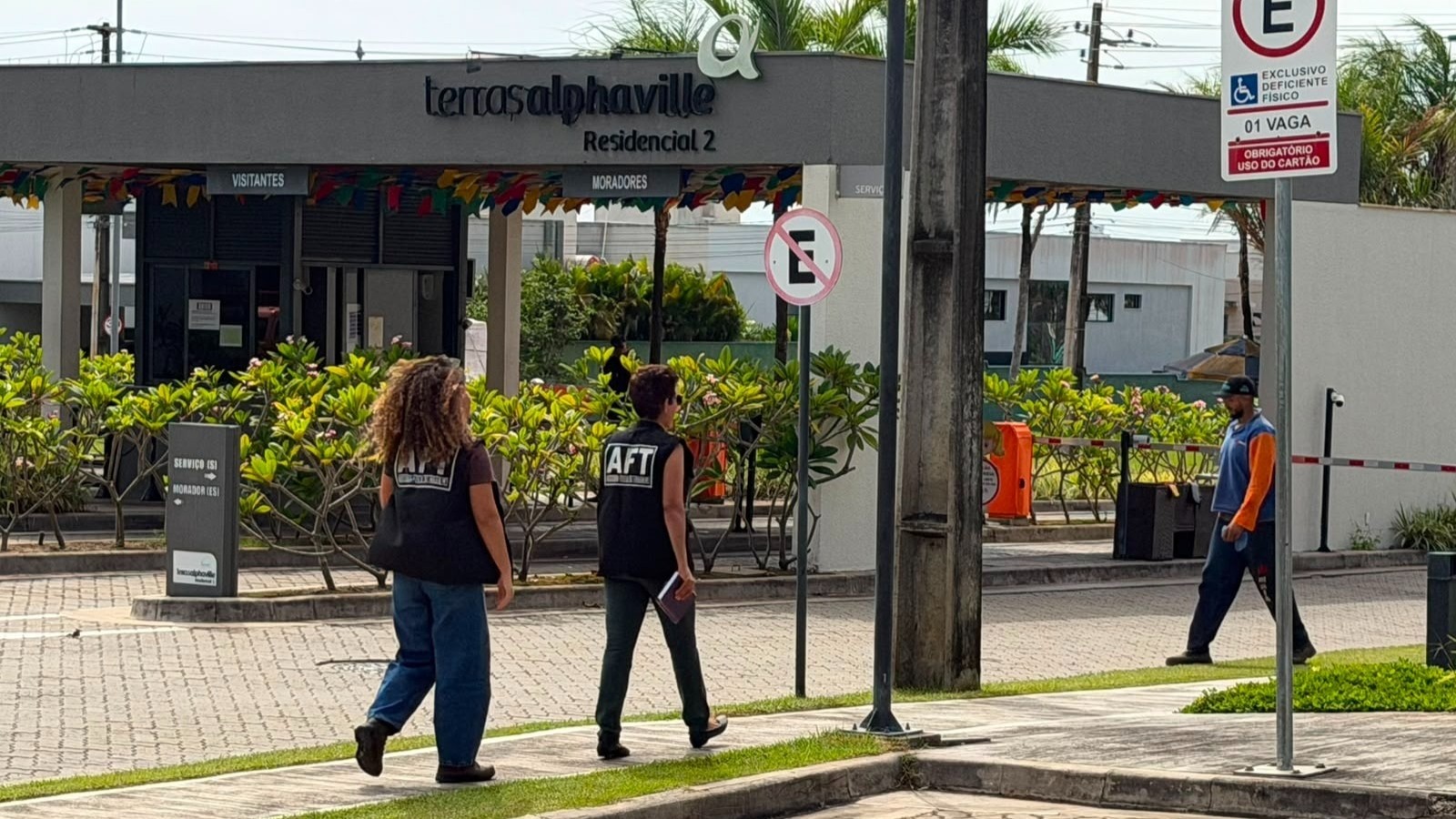
A 62-year-old woman has been rescued from conditions analogous to slavery after working for the same family for over five decades without pay. The victim was reportedly given to the family by her mother at the age of seven in 1971 and served three generations. She remained in continuous employment, performing all domestic duties and childcare, without receiving a salary, educational opportunities, or financial independence. Her daily routine began at 4:30 AM and included cooking, cleaning, and caring for children, despite suffering from hypertension and stress-related ailments. The employer claimed the woman was "given" by her mother, a statement made to labor auditors. The investigation revealed the woman was deprived of basic rights and economic autonomy, even having her Bolsa Família benefit (R$600 monthly) managed by her employer. Labor authorities estimate her unpaid wages, vacation pay, bonuses, severance, and overtime could exceed R$1.5 million. A Conduct Adjustment Agreement (TAC) was signed, obligating the employers to pay R$50,000 in severance, purchase a R$150,000 home with furnishings, cover social security contributions until retirement, and provide supplemental income if she doesn't receive benefits by age 64. This agreement does not preclude further legal claims for any unfulfilled rights.
This case highlights a severe failure in labor oversight and social protection systems, allowing a deeply exploitative relationship to persist for over fifty years within a luxury setting. The systemic nature of such exploitation, often masked by familial or domestic arrangements, demands robust preventative mechanisms beyond reactive rescue operations. Future considerations should include enhanced community-based reporting channels and mandatory periodic labor audits for domestic workers, particularly those residing with employers. The long-term psychological and economic impacts on the victim necessitate ongoing support, ensuring the recent settlement provides genuine rehabilitation and security, rather than merely a financial transaction. The case also raises questions about intergenerational perpetuation of labor abuses and the efficacy of legal frameworks in addressing deeply embedded social inequalities.
AI-generated to prompt reflection — not editorial opinion, not advice, not a statement of fact. How this works.