Woman's Head Partially Shaved for Driver's License Test: Lab Promises Compensation
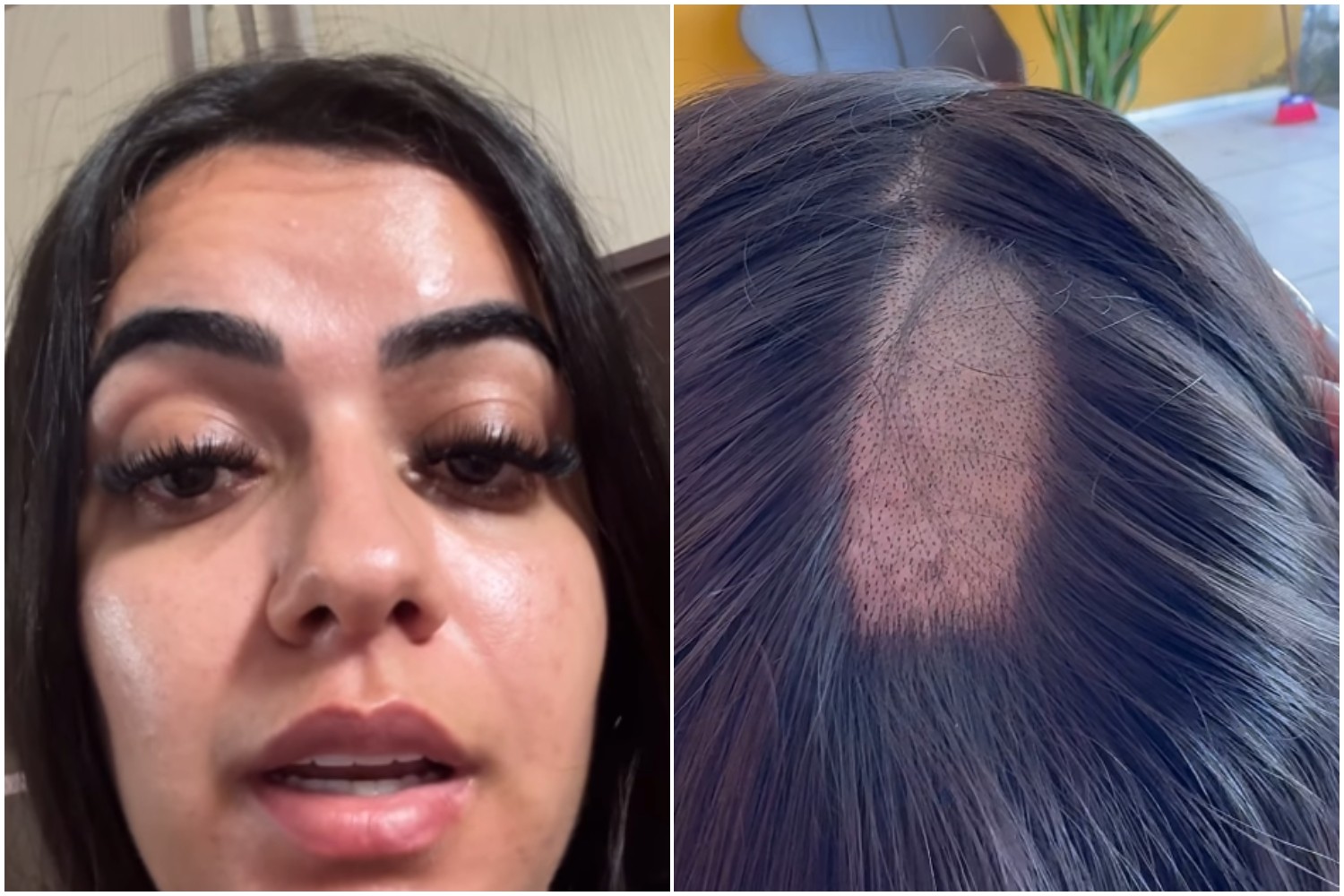
A woman who underwent a hair-shaving procedure for a mandatory toxicological exam for her driver's license (CNH) in Sapé, Paraíba, has reported that the laboratory has committed to covering all damages. The incident, which occurred on Saturday, May 10th, gained attention after videos were shared online on Monday, May 13th. The candidate, Ana Karolina, initially stated that two large sections of her hair were removed improperly, one from the center and another from the side of her head, causing her pain and affecting her self-esteem. She explained that the toxicological exam has been mandatory for CNH issuance since May. Hours after her initial complaint, Ana Karolina posted an update stating that the laboratory contacted her, apologized for the employee's actions, and pledged to assist with all damages and treatment. The clinic reportedly informed her they were addressing the employee's conduct and were supportive of her reporting the incident. She also expressed gratitude for the public's support, which she believes helped her alert others to potential issues. The laboratory issued a statement acknowledging an internal investigation revealed a procedural failure, assuring that the incident does not reflect their values and offering an apology. The toxicological exam requirement, previously mainly for commercial driving categories, now applies to all new CNH applicants to ensure they do not use psychoactive substances. The exam involves collecting two hair samples, one for analysis and one for potential retesting, and laboratories must adhere to strict Senatran regulations.
This incident highlights a critical failure in procedural adherence and customer care within a mandatory health screening process. The laboratory's commitment to compensating the affected individual and addressing the employee's misconduct is a necessary step towards rectifying the immediate harm. However, the broader implications involve the integrity of the testing process itself, particularly as it relates to new regulations designed to enhance public safety on the roads. Future considerations should focus on robust quality control mechanisms and staff training to prevent recurrence, ensuring that the pursuit of regulatory compliance does not compromise individual dignity or lead to unnecessary distress for applicants. The system's reliance on hair samples for toxicological screening, while standardized, necessitates stringent protocols to maintain trust and effectiveness.
AI-generated to prompt reflection — not editorial opinion, not advice, not a statement of fact. How this works.