Woman Seeks Kidney Stone Treatment, Discovers Pregnancy, and Gives Birth in 12 Hours
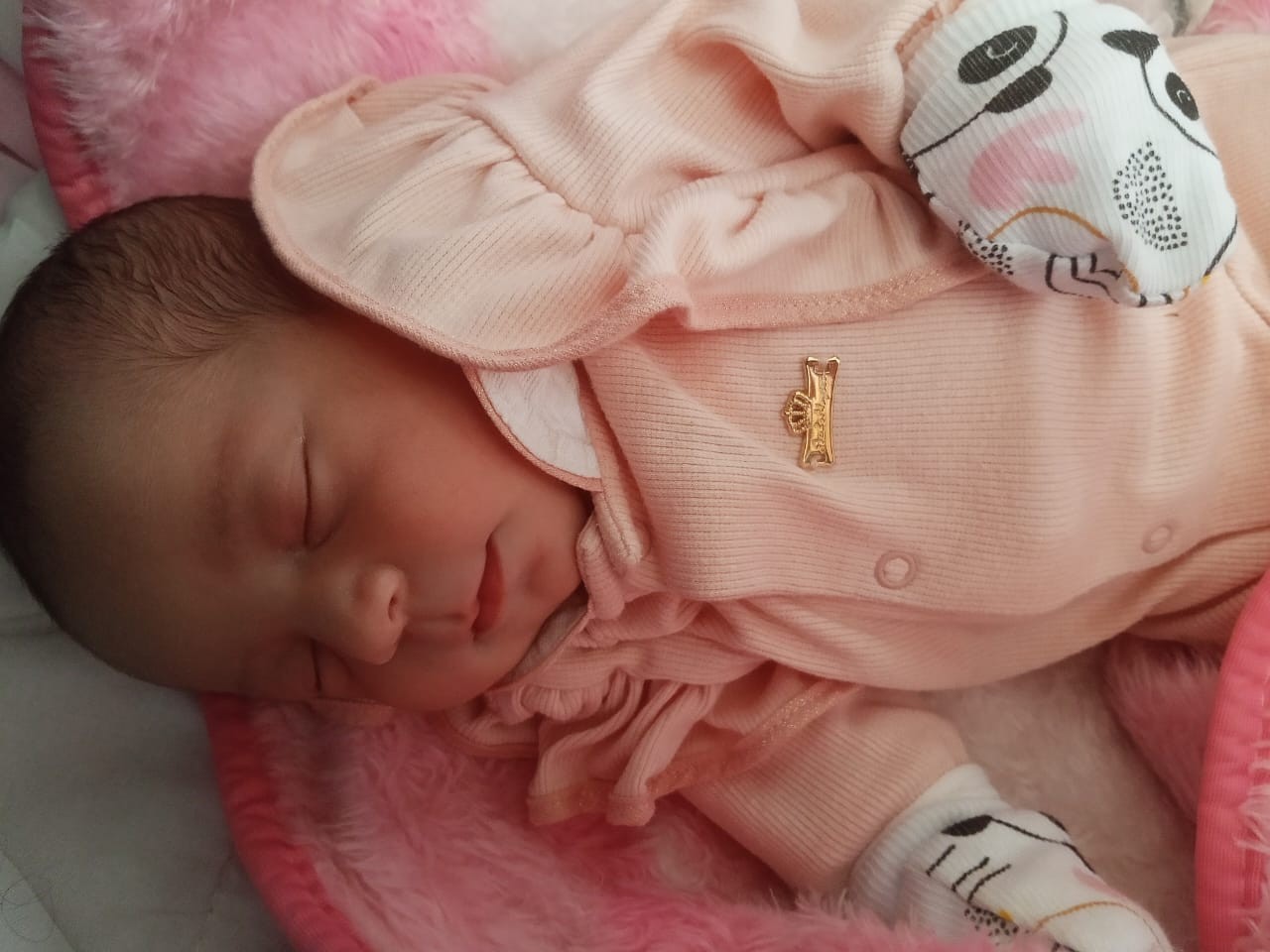
Tatiane dos Santos, a resident of Paraná, Brazil, sought medical attention for what she believed were kidney stones, experiencing intense back pain radiating to her lower abdomen. Instead of kidney stones, she discovered she was 39 weeks pregnant and gave birth to a healthy baby girl, Louise Emanuelly, on June 22nd. The entire ordeal, from initial pain to delivery, occurred within a 12-hour period in the Northwest region of Paraná. Tatiane, already a mother of two boys aged 11 and four, had no idea she was pregnant, having experienced no typical pregnancy symptoms and maintaining her normal daily routine, including work. She noted that her irregular menstrual cycle and a slightly heavier physique masked any signs of pregnancy, stating her "belly stayed the same" and the baby remained "very quiet, hidden." The unexpected pregnancy and birth were a surprise to her husband of 12 years, who was at work and could not be reached until after the delivery. A medical specialist confirmed that while rare, it is possible for women to be unaware of their pregnancy due to factors like irregular menstruation and weight, though it carries risks due to the lack of prenatal care. Louise was born weighing 3.335 kilograms and measuring 48 centimeters.
This unusual case highlights the critical importance of comprehensive prenatal care and accurate medical diagnostics. While the mother's experience of an undetected pregnancy is rare, it underscores how individual physiological variations and pre-existing conditions like irregular cycles or weight can obscure typical biological signals. The situation emphasizes that relying solely on self-reported symptoms or a lack of perceived discomfort can lead to significant health risks for both mother and child, as vital screenings and interventions are missed. Moving forward, healthcare systems could explore enhanced public health campaigns and potentially more accessible, routine screening protocols, particularly for individuals with known risk factors, to mitigate the consequences of such undetected pregnancies and ensure timely maternal and infant health support.
AI-generated to prompt reflection — not editorial opinion, not advice, not a statement of fact. How this works.