Woman Steals 7 Cards, Cash, and Keys After Infiltrating Car in São Paulo
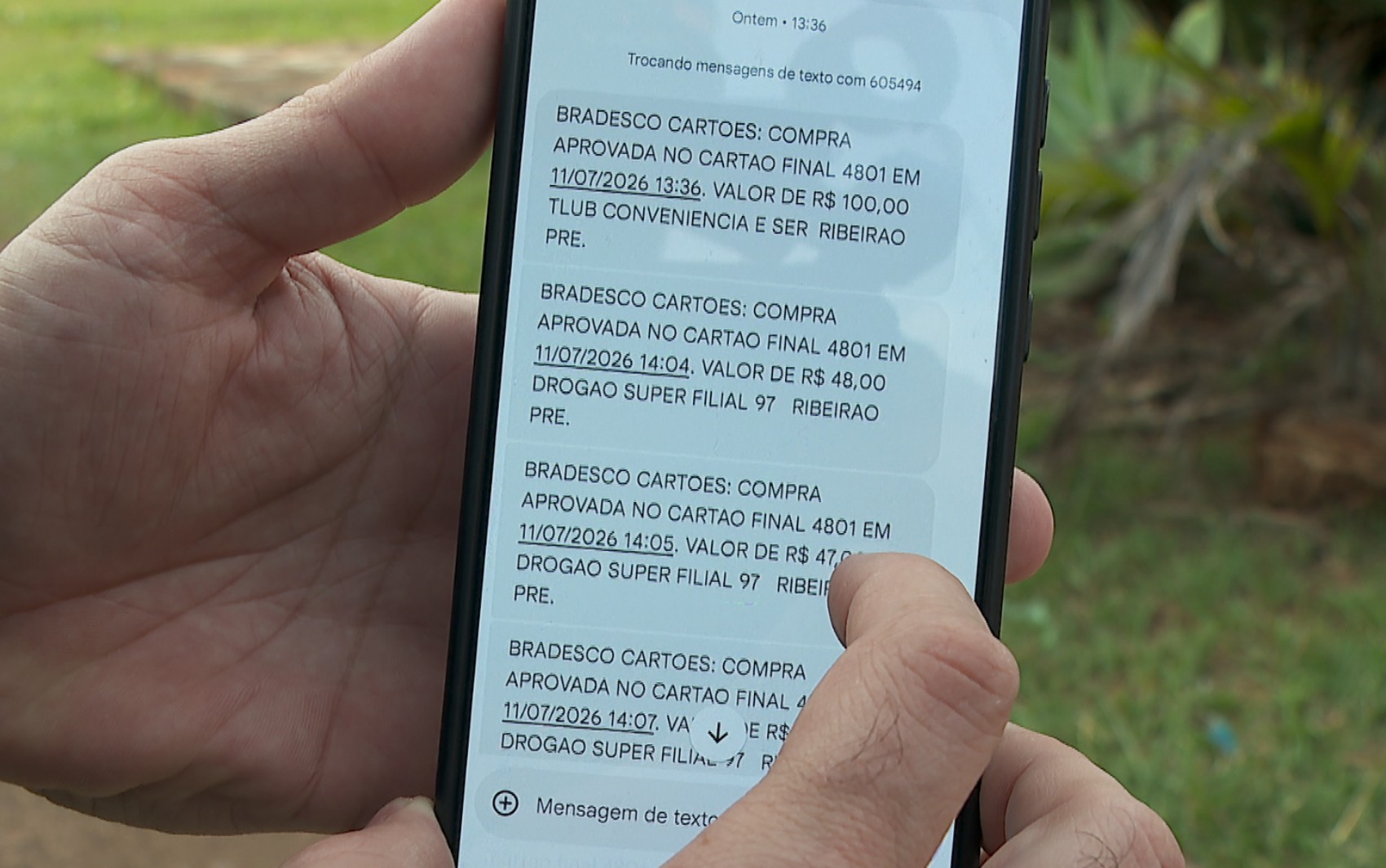
A woman in Ribeirão Preto, São Paulo, successfully infiltrated a car and stole seven credit cards, R$1,000 in cash, and two sets of keys on Saturday, November 11th. The car owner, 38-year-old businessman Rafael Carvalho, discovered the theft when he received mobile notifications for contactless purchases made with his stolen cards. The suspect, who remains unidentified, proceeded to spend approximately R$1,600 at various establishments along Avenida Treze de Maio, including a pharmacy, a convenience store, and a nail salon. Security cameras at these locations captured her actions. Carvalho retraced the suspect's steps by following the transaction alerts and spoke with store employees. He also managed to block his credit cards. At the pharmacy, the woman spent about half an hour selecting items like beauty products and hair dye, exhibiting some nervousness but proceeding with the purchases by claiming she had lost her phone and thus lacked card PINs. She reportedly showed no fear throughout the process. Later, she spent roughly an hour and a half at a nail salon, attempting further transactions even after Carvalho had blocked the cards. Her attire, consisting of sportswear, a visor, sunglasses, and a fanny pack, allowed her to blend in, appearing as if she were exercising. Security footage revealed her calmly opening Carvalho's car door, which he believes may have been unlocked despite his attempts to secure it. She spent two minutes inside the vehicle before leaving with the stolen items. Carvalho has filed a police report, but the suspect has not yet been apprehended.
This incident highlights vulnerabilities in vehicle security and the increasing reliance on contactless payment systems, which can be exploited by opportunistic criminals. The suspect's ability to blend in by appearing to be engaged in physical activity suggests a calculated approach to minimize suspicion. The rapid succession of purchases using stolen contactless cards underscores the need for enhanced real-time fraud detection and immediate notification protocols for financial institutions. Furthermore, the ease with which the suspect gained access to the vehicle, despite security measures, points to potential gaps in car alarm or locking mechanisms that warrant review by manufacturers and owners alike. The case also raises questions about the security practices of businesses accepting contactless payments, particularly regarding customer identification and transaction monitoring in instances of unusual behavior.
AI-generated to prompt reflection — not editorial opinion, not advice, not a statement of fact. How this works.