Woman Strangled, Locked in Trunk, and Threatened by Ex-Partner in Serrana, SP
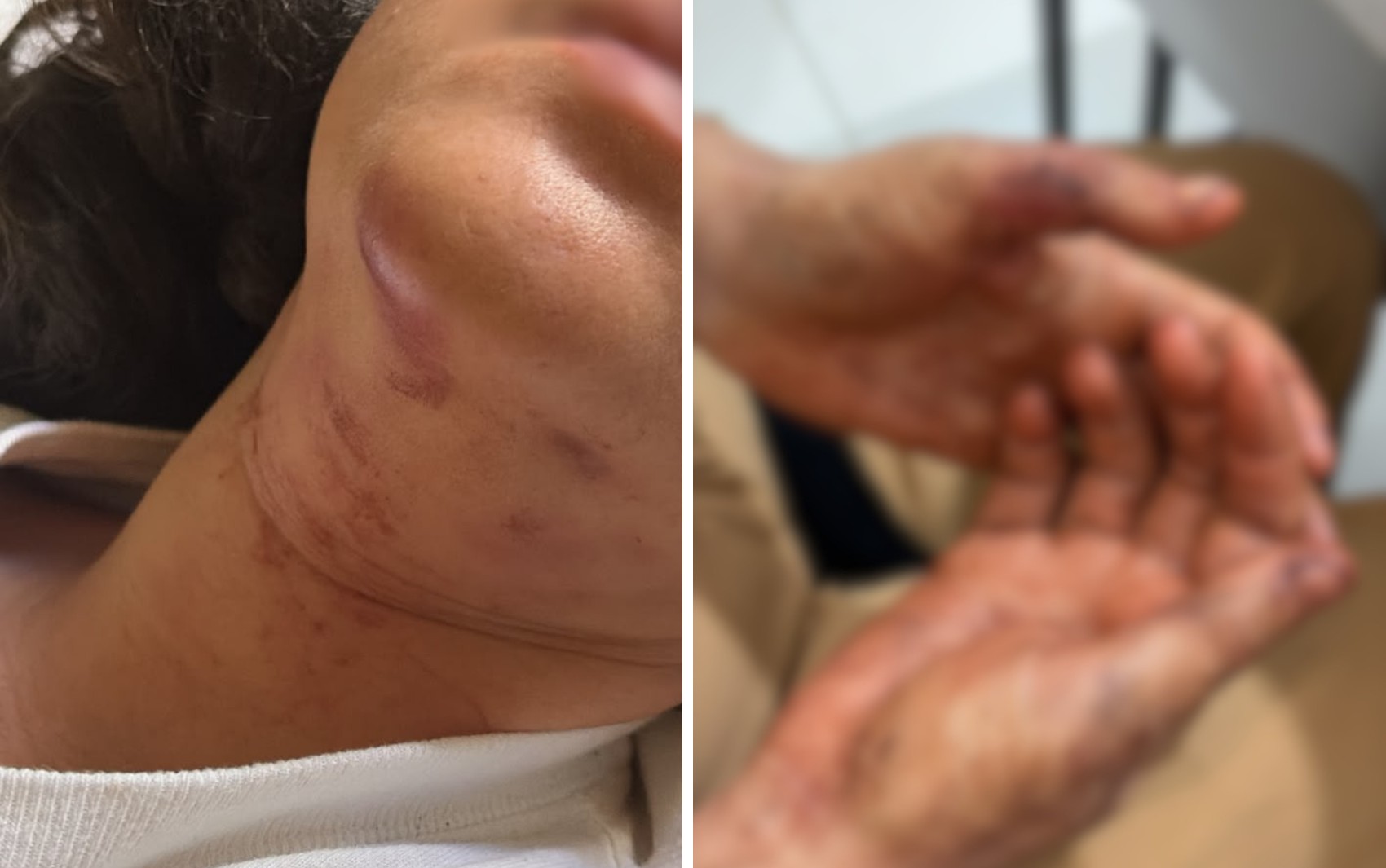
A 45-year-old woman in Serrana, São Paulo, Brazil, was subjected to a violent assault by her 39-year-old ex-partner after she refused to reconcile their relationship. The incident occurred on Sunday, October 2nd, following a week-long separation after approximately a year and a half of cohabitation. The assault began during a local event, escalating when the ex-partner kissed the victim against her will. Later, during a private conversation on a dirt road, the victim reiterated her desire to end the relationship, which triggered a jealous rage in the suspect. He then physically attacked her, strangling her, kicking her, and dragging her. The victim was placed in the trunk of her car, with the suspect repeatedly slamming the lid on her legs. She feigned death to stop the assault. The suspect then attempted to strike her head with a car jack. The victim managed to bite his thumb, convincing him to drive her to a health unit by claiming she was a nurse who could help him. En route, she discreetly sent her location and a distress message to a cousin. Upon arrival at the UPA (Emergency Care Unit), she escaped the car and sought help, reporting an attempted homicide. The suspect fled before security arrived. The victim sustained strangulation marks, bites, head injuries, and other bodily harm. The Civil Police have registered the case as threat, domestic violence, and bodily injury, and are investigating. The aggressor had not been arrested as of the report's last update.
This incident highlights the critical issue of domestic violence and the extreme measures some individuals resort to when facing relationship rejection. The victim's quick thinking and resourcefulness in feigning death and later seeking help were crucial for her survival. The legal classification of the crime as threat, domestic violence, and bodily injury, rather than attempted homicide at this stage, reflects the complexities of legal definitions and evidence gathering in such cases. Moving forward, understanding the systemic factors that enable such violence, including access to support for individuals experiencing jealousy or possessiveness and robust legal frameworks for victim protection, will be key. The case underscores the ongoing societal challenge of preventing intimate partner violence and ensuring swift justice for survivors.
AI-generated to prompt reflection — not editorial opinion, not advice, not a statement of fact. How this works.
