Woman Survives Attempted Femicide as Ex-Partner's Gun Malfunctions in Brazil
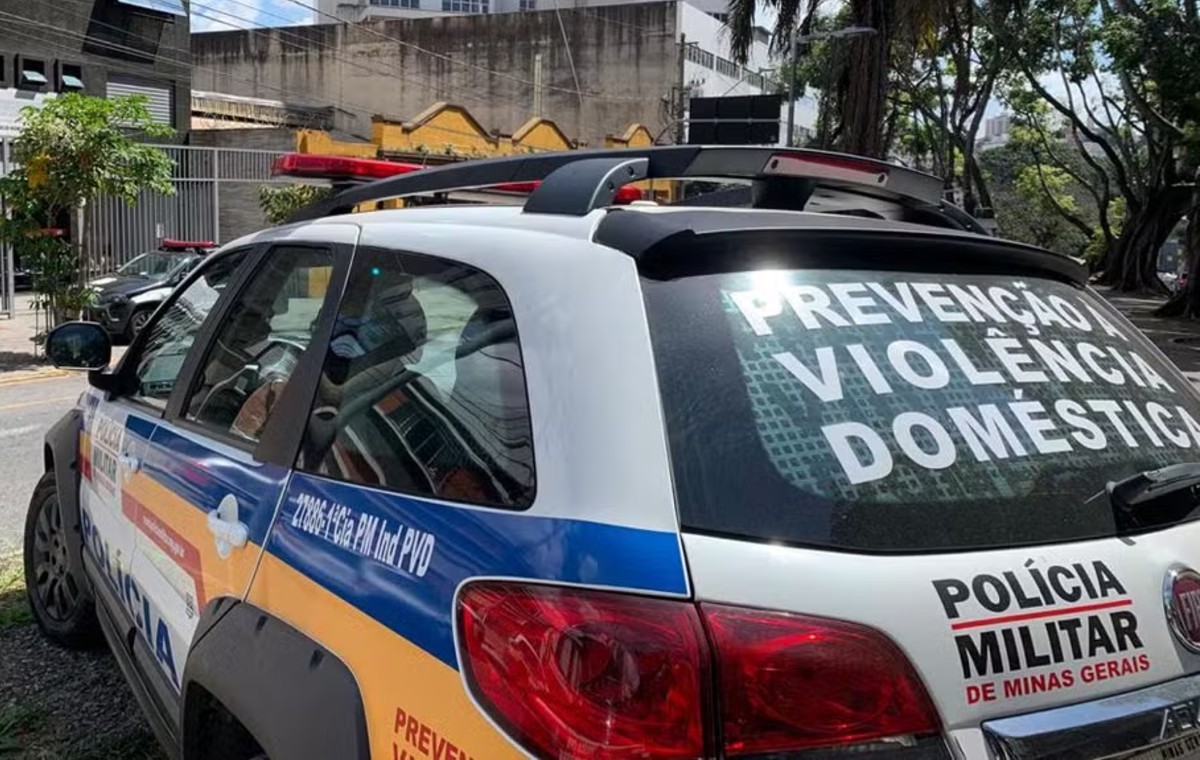
A woman narrowly escaped a femicide attempt in Vespasiano, part of the Belo Horizonte Metropolitan Region in Brazil, when the firearm used by her ex-partner malfunctioned. The incident occurred on Tuesday, May 16th, in the Palmital neighborhood. The suspect, identified by Military Police as Patrício Augusto, was apprehended. According to the victim's statement, she had been in a relationship with Augusto for approximately two years, with the relationship ending about two weeks prior to the incident. She reported that he had been making constant threats. On the day of the attack, she encountered him outside her home, where he allegedly forced her into the garage under the pretense of wanting to talk. Inside the garage, Augusto reportedly produced a pistol and threatened to kill her, stating his intention to end her life and then commit suicide. The victim told police that he attempted to shoot her in the leg and head, but the gun failed to fire. The woman, who works as a hairstylist, managed to flee when a client arrived and rang the doorbell. She sought refuge in a nearby school and contacted the Military Police. Officers arriving at the scene found Augusto outside the residence and discovered a pistol hidden in the garage. The weapon's magazine contained two 9mm rounds, which were incompatible with the pistol and showed signs of having been fired but failing to discharge. Augusto was arrested on charges of attempted femicide and illegal firearm possession and transferred to the Civil Police.
This incident highlights the critical importance of firearm safety and reliability in domestic disputes. The malfunction of the weapon, while fortunate for the victim, underscores the unpredictable nature of such encounters and the potential for escalating violence. From a systemic perspective, the case raises questions about the accessibility of firearms to individuals with a history of domestic threats and the effectiveness of legal frameworks in preventing such access. Future considerations could involve enhanced background checks and stricter enforcement of restraining orders, alongside support systems for victims of domestic abuse. The event also points to the broader societal challenge of addressing the root causes of gender-based violence and ensuring that legal and technological safeguards are robust enough to protect vulnerable individuals.
AI-generated to prompt reflection — not editorial opinion, not advice, not a statement of fact. How this works.