Woman waits over an hour on sidewalk for ambulance in Santos, Brazil
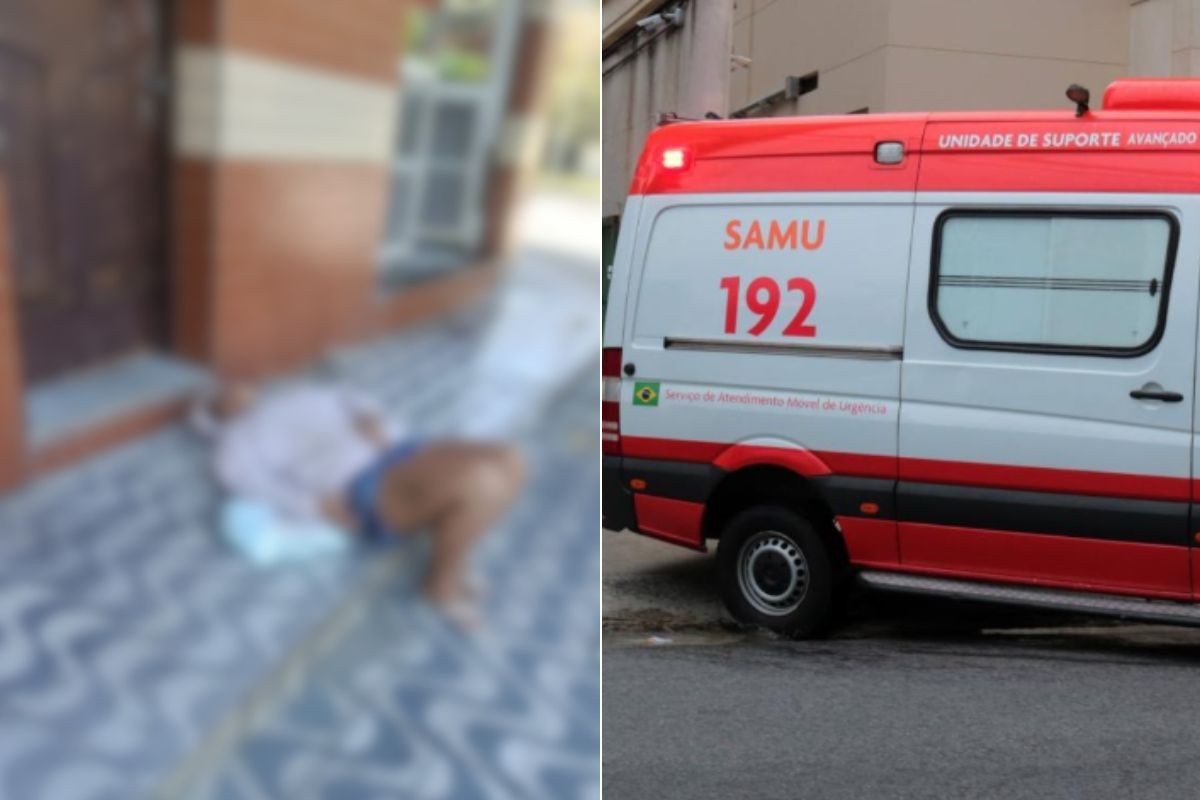
A woman experienced severe abdominal pain and waited on a sidewalk for over an hour for an ambulance from the Mobile Emergency Care Service (Samu) in Santos, São Paulo state, Brazil. The incident occurred on Tuesday, May 21st, on Rua Cypriano Barata in the Ponta da Praia neighborhood. Businessman Zaul Favoreto witnessed the situation and stated the woman was on the ground suffering for more than ninety minutes before help arrived. He expressed dismay at the delay, noting that residents stayed with the woman, whose identity was not disclosed, until medical personnel arrived. The municipal government classified the case as 'green risk,' indicating low severity, and stated that response times for such cases can be up to 120 minutes. Favoreto initially called for help after a neighbor, but due to the prolonged wait, he also contacted the service. After the extended wait, an ambulance did arrive, and the medical team provided the necessary care to the patient, according to a statement from the city administration. Details regarding the woman's current health status were not immediately available.
This incident highlights potential systemic challenges in emergency medical response, particularly concerning triage protocols and resource allocation. While the municipality cited a 'green risk' classification justifying a longer wait time, the prolonged suffering of an individual on a public sidewalk raises questions about the practical application and perceived adequacy of such classifications in real-time situations. The case prompts consideration of whether current response time targets for non-critical cases adequately balance efficiency with the immediate human need for care and dignity. Future public health strategies might explore ways to improve communication during delays or implement more dynamic resource deployment based on evolving on-the-ground conditions, rather than solely relying on initial risk assessments, especially in densely populated urban areas.
AI-generated to prompt reflection — not editorial opinion, not advice, not a statement of fact. How this works.