Women Constitute Majority of Electorate in Tocantins for 2026 Elections
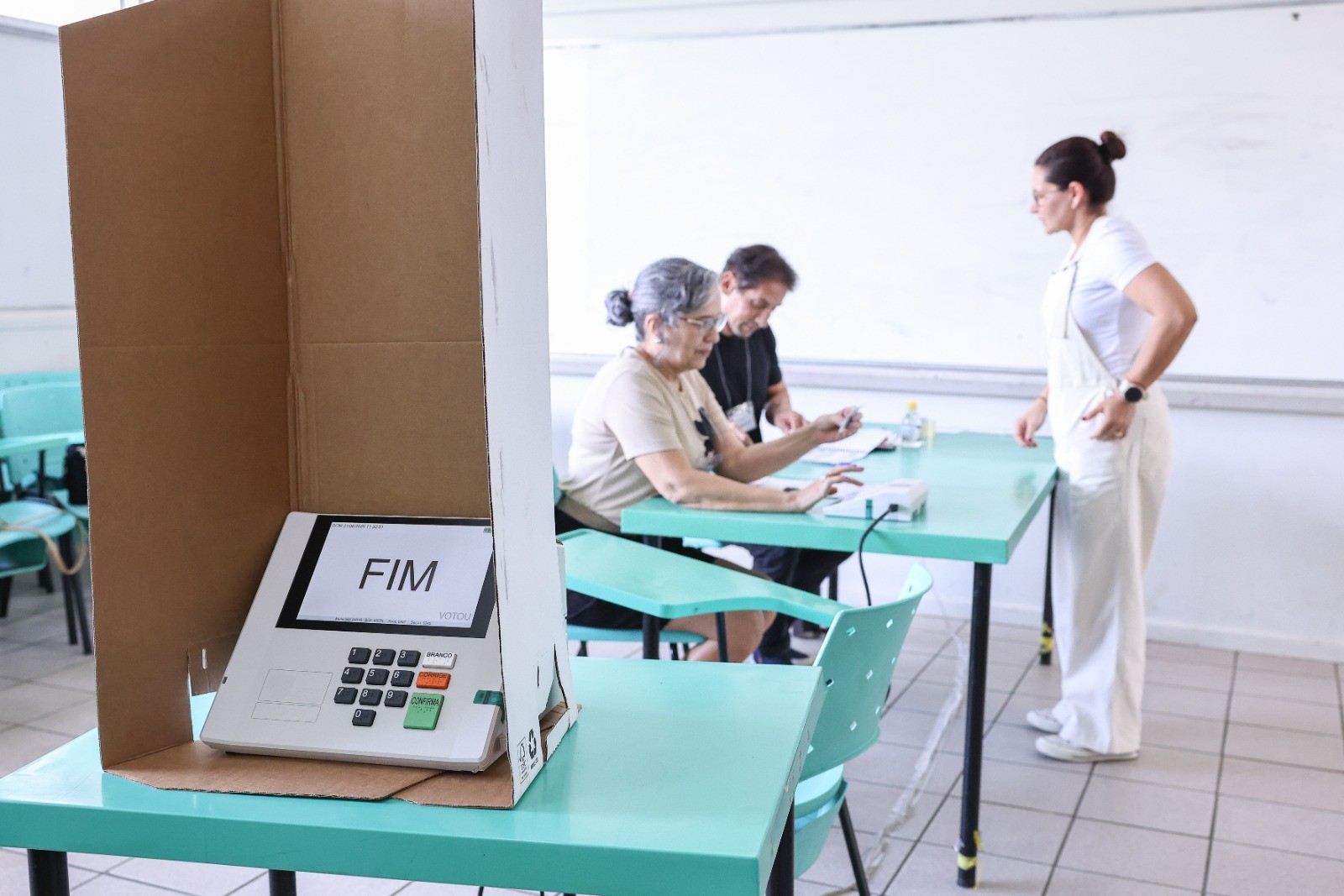
Women represent the majority of the electorate in Tocantins for the 2026 General Elections, according to data from the Regional Electoral Court of Tocantins (TRE-TO). Out of over 1.18 million eligible voters, 50.92% are women, surpassing 600,000 registered female voters. This female electorate saw a 1.7% growth compared to the previous election, while the male electorate grew by only 0.1%. Specifically, the number of women voters increased from 556,547 in 2022 to 601,991 in 2026, an 8.1% rise. In contrast, men account for 580,316 voters, or 49.08% of the total. The female majority is even more pronounced in major electoral colleges within the state, reaching 53% in Palmas and 54% in Araguaína and Gurupi. Despite this numerical dominance, women hold few positions of power in Tocantins, with only four women elected to 35 positions in the last general elections. To address this, the TRE-TO is implementing programs like '+Mulher +Democracia' to encourage female representation and candidacies, alongside the existing gender quota law requiring parties to allocate between 30% and 70% of candidacies to each gender. The largest female voter demographic is aged 25-29, followed by those aged 40-44 and 30-34. Notably, women also form the majority among 16-17 year old voters (51.66%) and represent a significant portion (49.42%) of voters over 70.
The data from Tocantins highlights a persistent demographic trend where women constitute a growing majority of the electorate. While this numerical advantage is significant, the disparity between female voter numbers and their representation in elected office underscores a systemic challenge in translating electoral presence into political power. Electoral laws and initiatives aimed at promoting gender quotas and encouraging candidacies are crucial steps, but their long-term effectiveness will depend on addressing deeper societal and political barriers that may hinder women's political participation and success. Future analysis should consider the impact of evolving voter demographics and the efficacy of these interventions in fostering a more equitable political landscape over the next decade.
AI-generated to prompt reflection — not editorial opinion, not advice, not a statement of fact. How this works.