Women in Interior SP Describe Overwhelming Demands of Work, Study, and Family
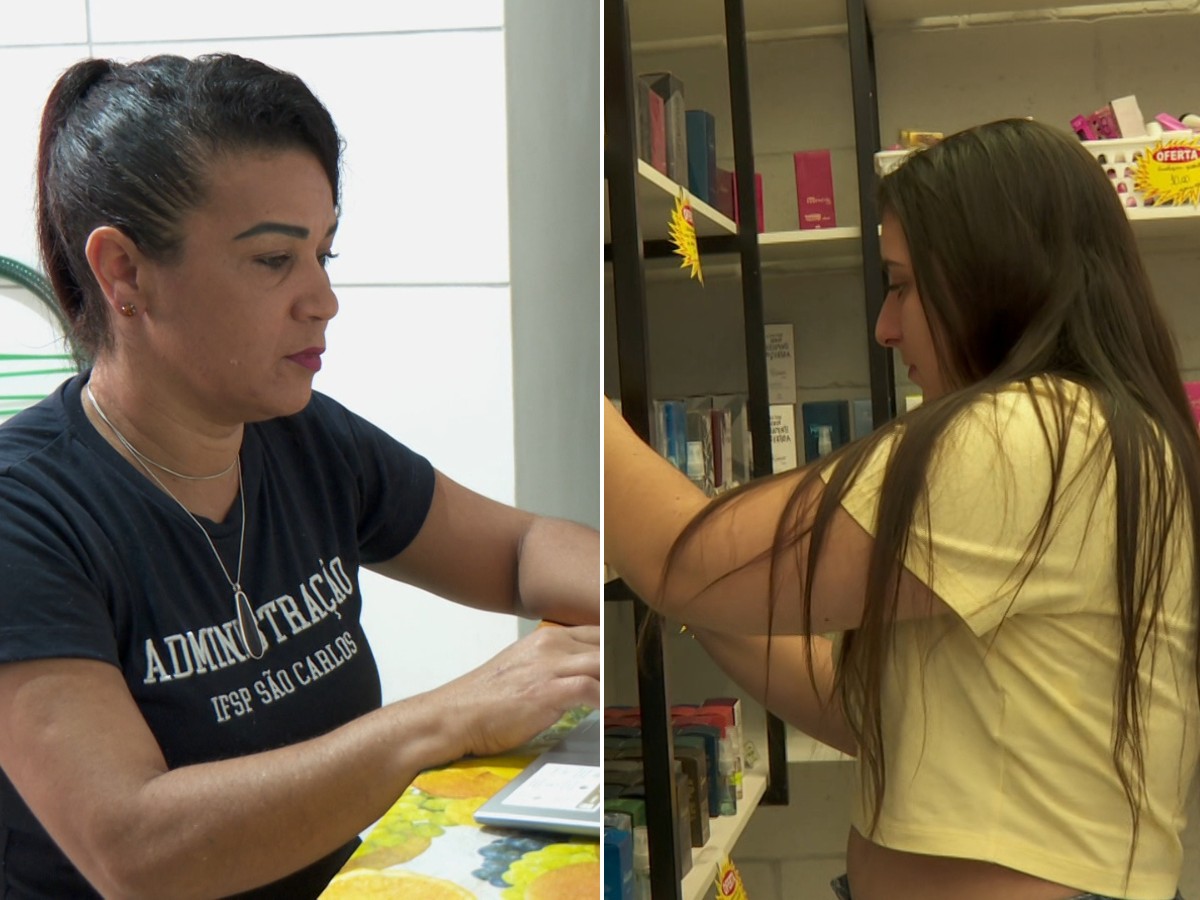
Women in São Carlos, São Paulo state, are sharing their experiences of juggling demanding routines that include work, education, and family responsibilities. Maria Aparecida de Jesus, 47, delayed pursuing her educational dreams to support her children but is now studying computer science, despite initial challenges with technology. She works part-time, completes an internship during the week, and supplements her income on weekends, all while caring for her mother. Maria expresses a strong desire to continue her education, pursue postgraduate studies, and inspire others. Verônica Tofoli Curtulo, 22, faces a similarly intense schedule, balancing a full-time internship from 8 AM to 12 PM, followed by work at her cosmetics store until 9:30 PM, and also assisting her mother with her brother. She stated she "needed 48 hours" to manage everything. Psychologist Mariana Miranda Corcetti Dotto warns that this chronic overload can lead to burnout, anxiety, depression, and even psychosomatic physical illnesses, such as labyrinthitis crises and strokes. A survey by Fiocruz indicates that half of young Brazilian women experience a double or triple workload by age 18. Dotto emphasizes that societal expectations often silence women's struggles, creating a cycle of guilt. She advises women to prioritize self-care and seek support networks, whether from family, friends, or professional services, to cope with extreme exhaustion.
This situation highlights a persistent societal structure where women disproportionately bear the burden of unpaid domestic labor alongside professional and educational pursuits. The intense schedules described, leading to potential burnout and psychosomatic illnesses, reflect systemic challenges in work-life balance and gender role expectations. The economic and social incentives often do not adequately support dual-earner households or provide sufficient public infrastructure for childcare and eldercare, forcing individuals to rely on personal resilience. Looking ahead, the increasing prevalence of AI and automation may offer opportunities to redistribute labor, but without conscious policy intervention, it could exacerbate existing inequalities if not managed equitably. Encouraging shared domestic responsibilities and investing in supportive social services are critical for fostering a more sustainable and equitable future for all.
AI-generated to prompt reflection — not editorial opinion, not advice, not a statement of fact. How this works.