Women in Politics Face Systemic Violence, Deep Night Messages, and Invisible Forces in Bangladesh
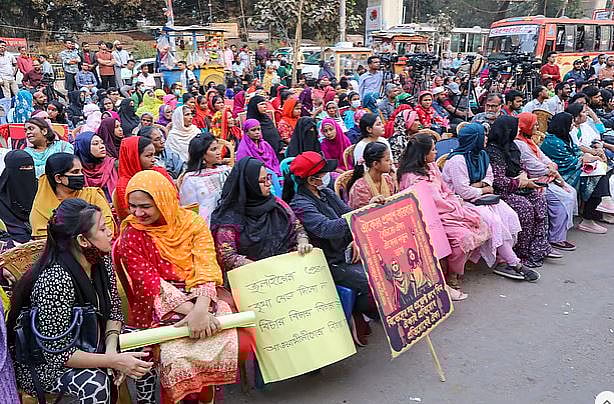
A recent study by the Brac Institute of Governance and Development (BIGD) has shed light on the realities faced by women in Bangladesh's political landscape. Through interviews with 43 female politicians, the research revealed the significant challenges they encounter. The findings indicate that violence against women in politics is not an isolated incident but rather a systemic, multifaceted, and enduring issue. These women navigate a political environment where they receive late-night phone messages and contend with unseen influences. The study underscores the deep-rooted nature of these obstacles, suggesting that they are integral to the existing political structures.
The BIGD study highlights the systemic nature of violence and intimidation faced by women in Bangladeshi politics, extending beyond individual incidents to embedded structural issues. The mention of late-night messages and 'invisible forces' suggests a complex interplay of social pressures, potential threats, and opaque power dynamics that disproportionately affect female politicians. Addressing these challenges requires a multi-pronged approach that tackles not only overt harassment but also the underlying governance deficits and cultural norms that perpetuate such inequalities. Future political reforms must consider mechanisms to ensure equitable participation and safety for all genders, fostering an environment where political engagement is not deterred by gender-based obstacles or covert influence operations.
AI-generated to prompt reflection — not editorial opinion, not advice, not a statement of fact. How this works.