Women in Politics: When Women Take Over
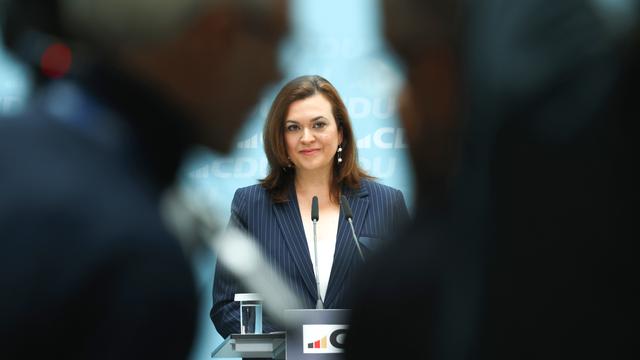
Recent personnel decisions within the CDU party in Germany might create the impression that women are only stepping into political roles when men have exhausted their ideas. This article questions whether this perception accurately reflects the situation.
It explores the dynamics of women's advancement in politics, particularly within the CDU, and examines the factors influencing their rise to leadership positions. The piece aims to critically assess the narrative that women only gain prominence in politics as a last resort. It delves into the underlying reasons and potential biases that might contribute to such an impression, while also considering the actual representation and influence of women in German political landscapes.
The perception that women only enter politics when male leadership falters raises questions about gendered career progression in political institutions. This framing can obscure systemic barriers that may hinder women's advancement, regardless of male performance. Examining the CDU's specific personnel changes through the lens of diversity and inclusion policies, rather than solely as a reaction to male leadership gaps, could reveal more about the party's commitment to equitable representation. Future political landscapes will likely demand broader talent pools, making the effective integration and promotion of all genders a strategic imperative for institutional resilience and effectiveness.
AI-generated to prompt reflection — not editorial opinion, not advice, not a statement of fact. How this works.
