Women Remain Brazil's Largest Voting Bloc with Over 83 Million Registered
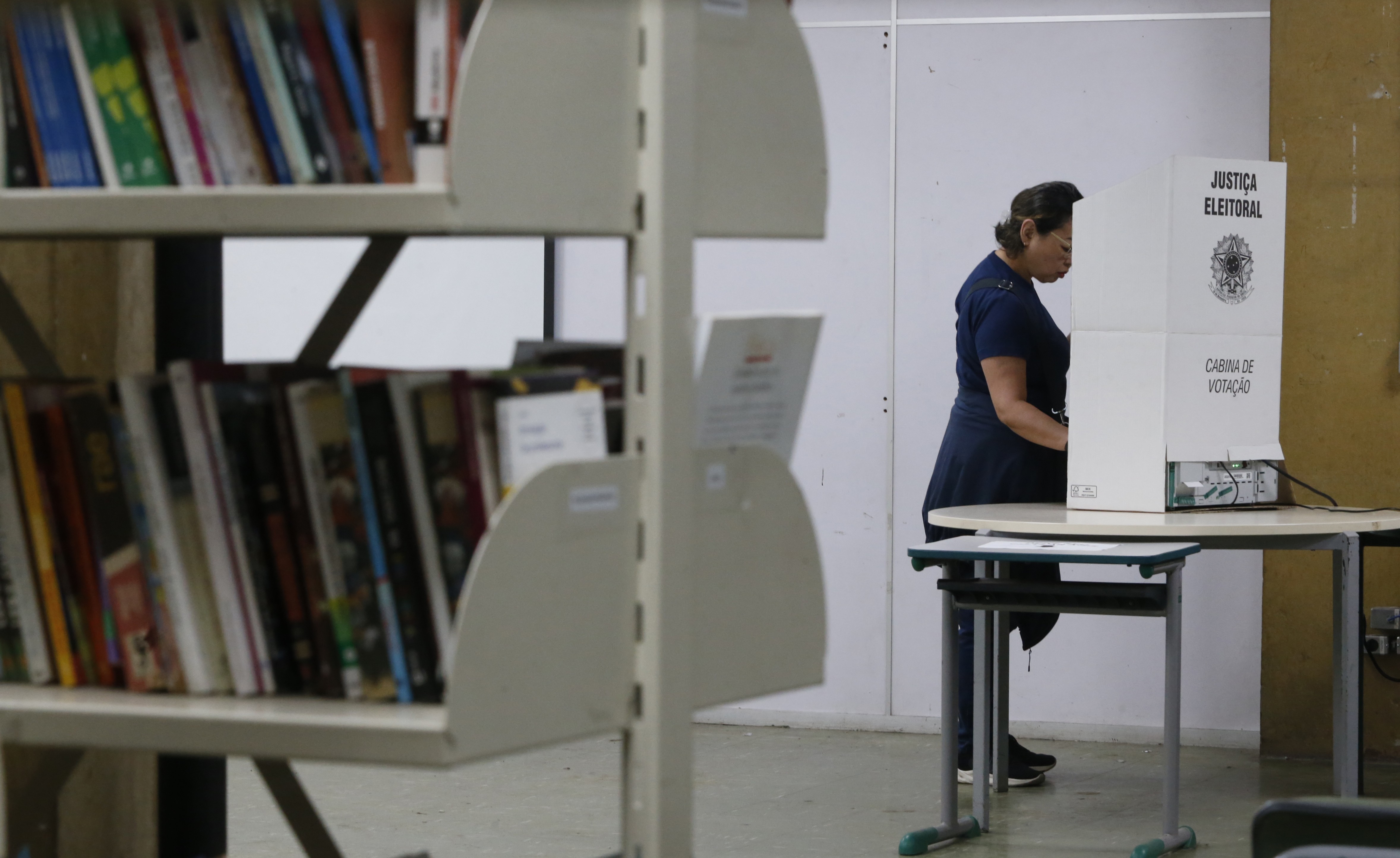
Women constitute the majority of eligible voters in Brazil for the upcoming October elections, according to the Superior Electoral Court (TSE). A total of 83,877,126 women are registered to vote, representing 52.84% of the national electorate. This marks an increase of 1,503,962 female voters, or 1.83%, compared to the 2022 general elections. These nearly 84 million women are eligible to participate in the first round on October 4th and a potential second round on October 30th. Given their significant numbers, presidential hopefuls are increasingly tailoring their messages and campaigns to appeal to female voters. This focus intensified recently following a public dispute between Michelle Bolsonaro and Senator Flávio Bolsonaro, a presidential pre-candidate. The former First Lady shared a video detailing perceived disrespect from her stepson during political discussions within the PL party. A Quaest poll indicated that 42% of respondents sided more with Michelle Bolsonaro in this disagreement, compared to 18% who supported Flávio Bolsonaro. In response, Senator Flávio Bolsonaro launched "Brasil por Elas," a platform of proposals aimed at women, framing women's rights as a conservative issue. President Lula's administration has also prioritized women's issues, including advocating for increased penalties for femicide and enacting a law for equal pay between men and women. While the government began with a record number of 11 female ministers, this number decreased to 8 after cabinet changes in April 2026. The TSE also outlined the rules for mandatory voting in Brazil, which applies to citizens over 18. Voters unable to attend must justify their absence via the e-Título app on election day without documentation, or within 60 days by submitting a form to an electoral registry office to avoid a fine. Failure to vote or justify absence in three consecutive elections can lead to penalties such as the inability to obtain a passport or national ID, or to be appointed to public office.
The TSE's data highlights the enduring demographic significance of female voters in Brazil's electoral landscape, a trend that political actors are strategically addressing. The heightened attention to women's issues by pre-candidates reflects an understanding of this demographic's potential to influence election outcomes. Systemic analysis suggests that political parties must continually adapt their platforms to resonate with evolving societal expectations regarding gender equality and women's rights. The inclusion of specific policy proposals, like "Brasil por Elas," and legislative actions, such as the equal pay law, indicate a recognition of these demands. However, the analysis also points to ongoing debates and pressures, such as the representation of women, particularly Black women, in high-profile governmental positions like the Supreme Court, illustrating the complex and multi-faceted nature of gender politics. Future electoral cycles will likely see continued emphasis on mobilizing and appealing to this crucial voting bloc.
AI-generated to prompt reflection — not editorial opinion, not advice, not a statement of fact. How this works.