Women's Violence Cases Surge 61% in Araçatuba During First Half of 2026
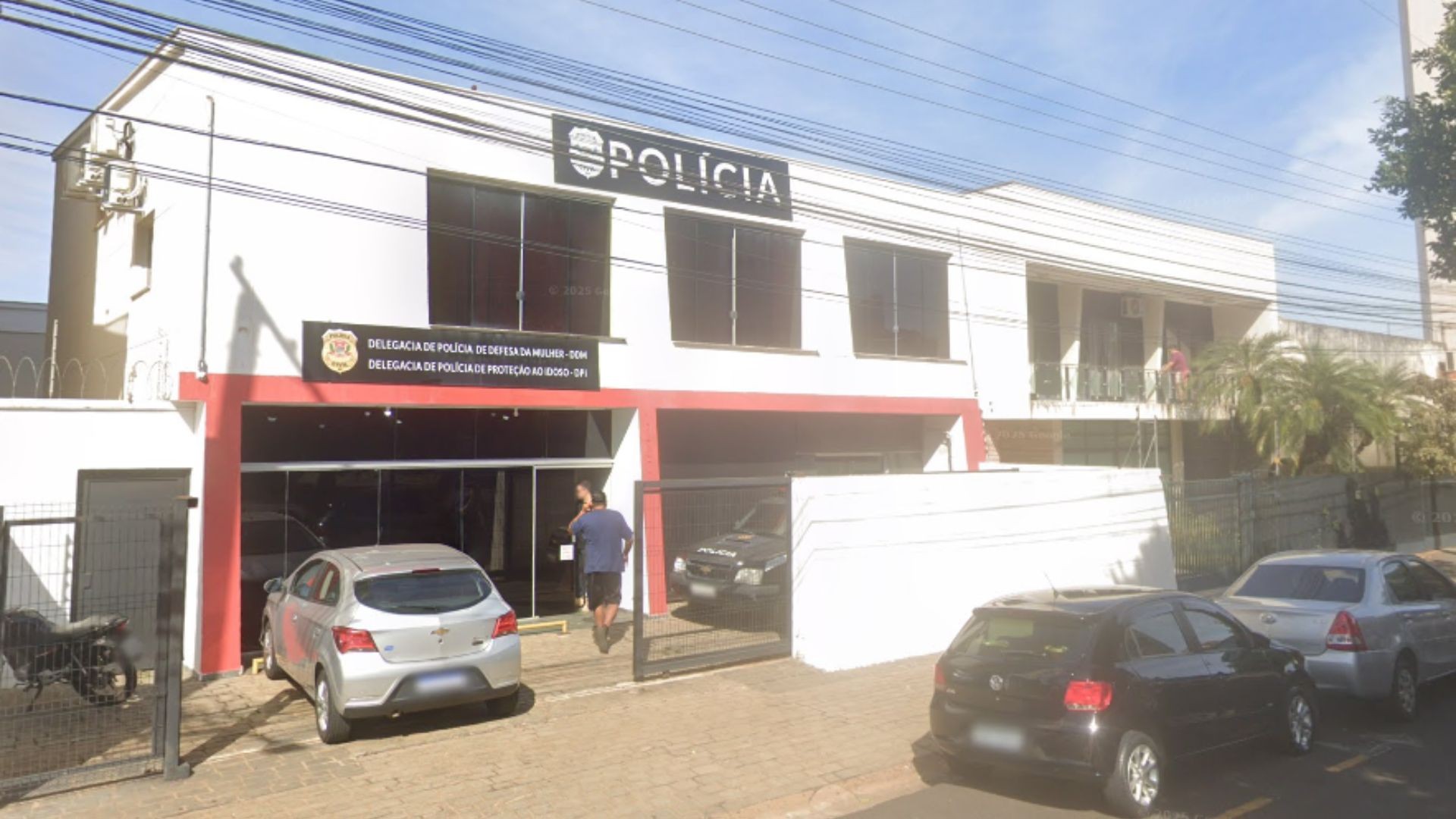
Araçatuba, São Paulo, has seen a significant 61% increase in reported cases of violence against women during the first half of 2026, according to data from the Civil Police. The Women's Defense Police Station (DDM) recorded 952 incidents between January and June 2026, which represents an increase of 363 reports compared to the same period in 2025. The DDM data reveals a rise not only in general aggression reports but also in attempted feminicides and violations of urgent protective measures, particularly noted in the second quarter of 2026. In the first half of 2025, 589 cases were registered, a stark contrast to the 952 recorded in the first half of 2026. To address these issues, the "Cabine Lilás" program, launched by the São Paulo State Government in November 2025, offers specialized support and qualified listening for abused women. This initiative, staffed by trained female military police officers, aims to ensure victims are heard, understood, and informed about their rights and available support networks. The program prioritizes immediate response to ongoing aggressions, with teams dispatched to arrest perpetrators in flagrante delicto and subsequent follow-up with victims to connect them with protection services. Women experiencing violence can report incidents through the national hotlines 180 and 190.
The reported 61% surge in violence against women in Araçatuba during the first half of 2026, alongside an increase in attempted feminicides and protective order violations, signals a critical public safety challenge. While the "Cabine Lilás" program represents a positive governmental response by providing specialized support, its effectiveness will be measured by its reach and integration with broader societal efforts to address the root causes of gender-based violence. The data suggests that existing protective measures may be insufficient or that underlying societal factors contributing to violence are intensifying. Future policy considerations should focus on preventative education, economic empowerment for women, and robust enforcement mechanisms that go beyond immediate response to address systemic issues and ensure long-term safety and equality.
AI-generated to prompt reflection — not editorial opinion, not advice, not a statement of fact. How this works.
