Women Truck Drivers in São Paulo Surge Six Times Faster Than Men
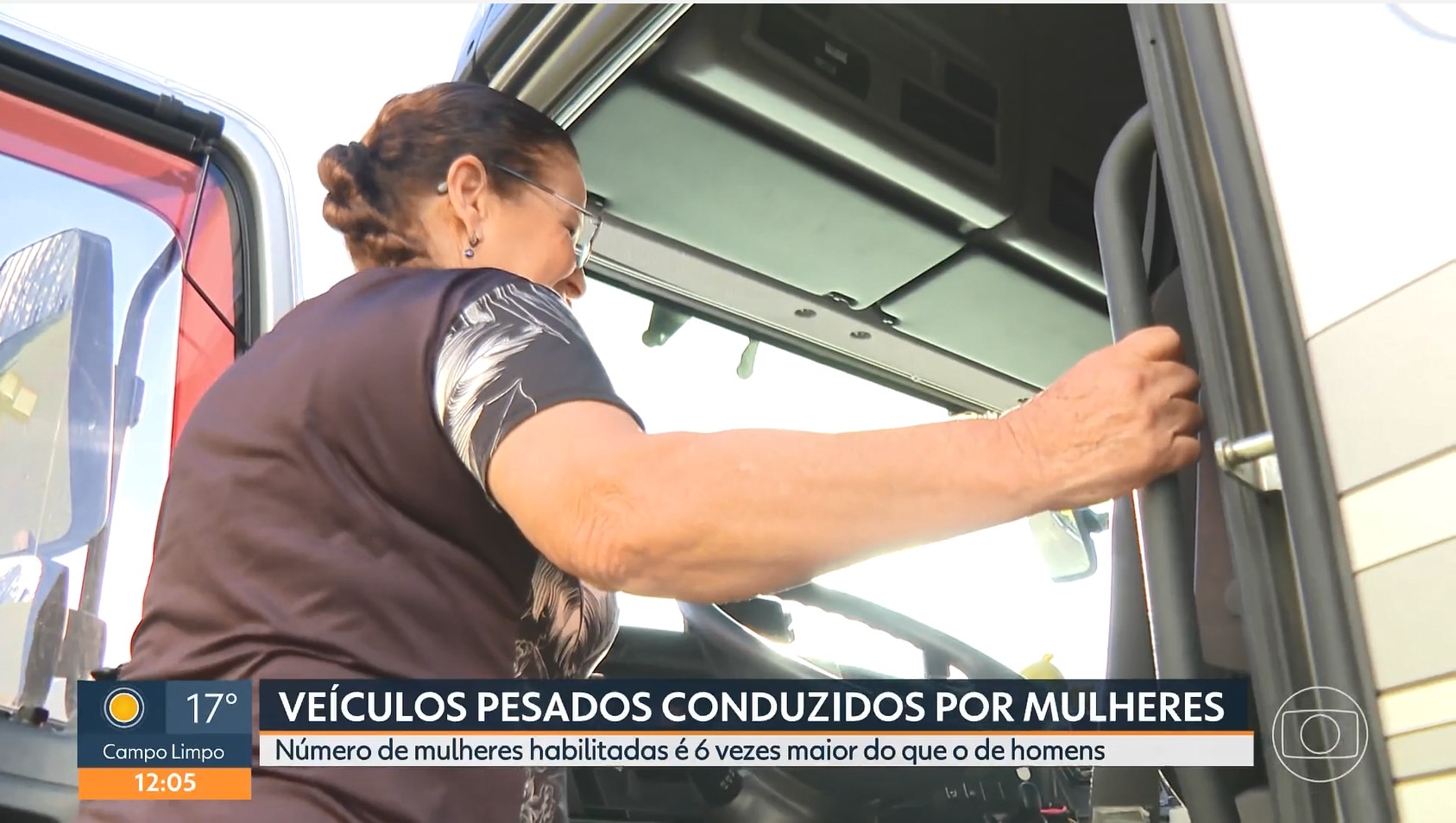
The number of women licensed to drive trucks and semi-trailers in São Paulo state has grown significantly, increasing by an average of six times more than men between December 2021 and December 2025. This surge is attributed by human resources specialists to a shortage of male labor and a broader push for diversity in the workforce. Specifically, women's licenses for these heavy vehicles rose by 39% during this period, contrasting with a 6% increase among men. The trend extends to public transportation, with nearly 100,000 women now licensed to drive buses in São Paulo, while approximately 10,000 hold licenses for trucks. Experienced professionals like Abenilson Jorge Jesus, a conductor for over 30 years, have witnessed this transformation firsthand, noting the absence of female drivers when he began his career. Despite progress, female drivers like Marta Maria, a bus driver, and Noemy Santos, a truck driver for 15 years, still face challenges including prejudice and infrastructure issues. Santos recounted instances of sabotage when she started, and both women highlight ongoing societal biases and workplace adversities. Santos, who has spent up to 60 consecutive days on the road, finds fulfillment in her nomadic lifestyle, stating, "This is my life. It's what I truly love to do." Camila Florencio from the São Paulo Transport Companies Union acknowledges the need for sector-wide adaptations, such as dedicated facilities for women and cultural shifts, to support the increasing female presence and prevent talent loss due to discrimination or lack of opportunity.
The data from São Paulo indicates a significant demographic shift in the trucking and heavy vehicle transport sector, with women's participation growing at a disproportionately high rate compared to men. This trend reflects evolving labor market dynamics, driven by labor shortages and societal progress toward gender inclusivity. However, the persistence of challenges such as prejudice, inadequate infrastructure, and hiring biases, as highlighted by female drivers and industry representatives, suggests systemic friction points. Addressing these issues is crucial not only for equitable opportunity but also for ensuring the long-term sustainability and talent pipeline of a vital economic sector. Future strategies should focus on proactive cultural integration within companies and public investment in infrastructure that supports a diverse workforce, moving beyond reactive measures to foster genuine inclusion and operational efficiency in the coming decade.
AI-generated to prompt reflection — not editorial opinion, not advice, not a statement of fact. How this works.