Worker Awarded Damages for Excessive Bathroom Distance
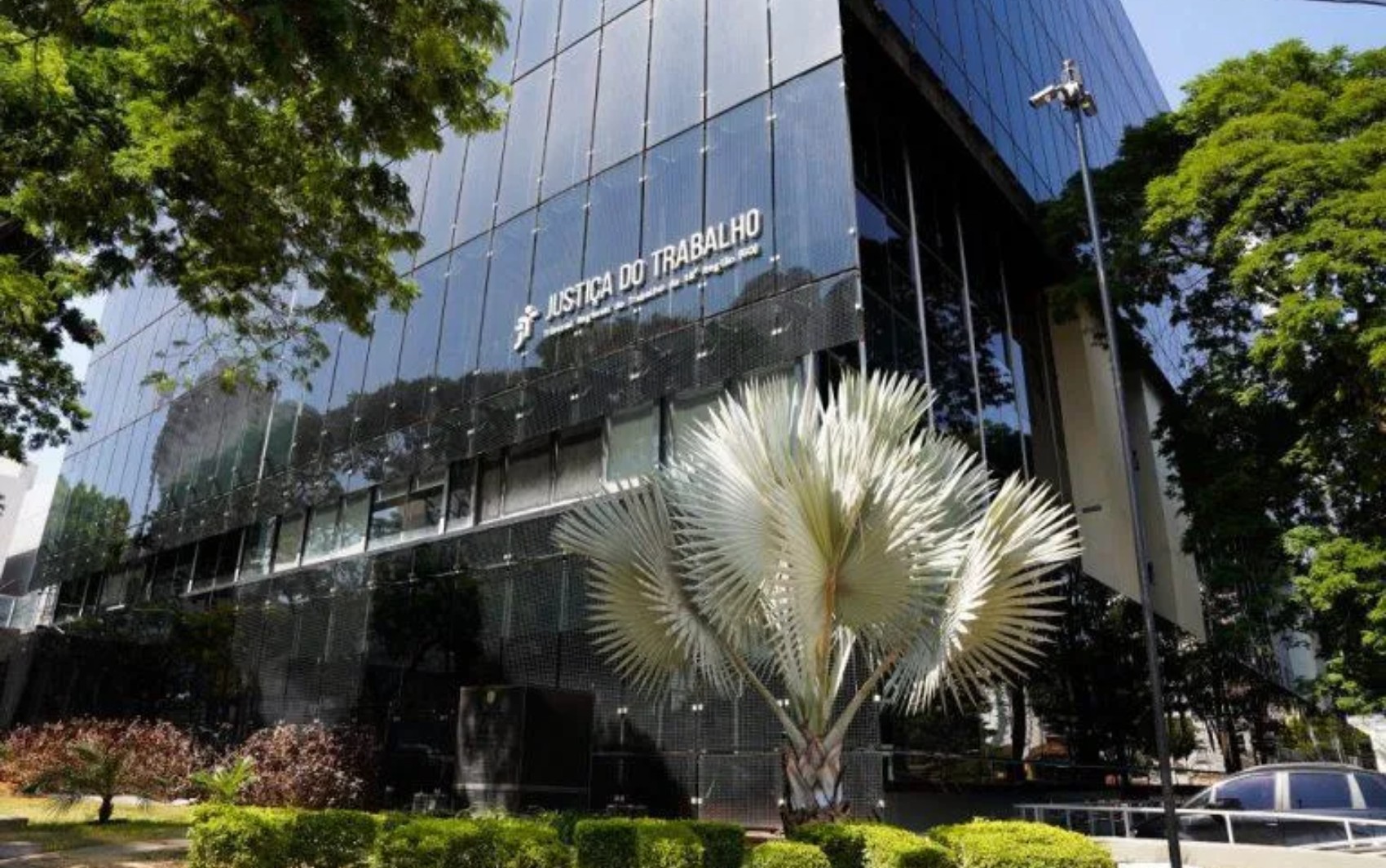
A Brazilian labor court has ordered a company to pay R$3.6 thousand in moral damages to a truck traffic controller who was forced to walk one kilometer to access a restroom. The worker, who was employed from November 2024 to April 2025 at a bauxite loading and unloading site in Santa Isabel, Goiás, also received other labor rights. Brazilian labor law stipulates that restroom facilities should not be located more than 150 meters from the employee's work area. The court found that the employee had to cover 500 meters to reach the bathroom and another 500 meters to return, a distance deemed excessive and exacerbated by the outdoor work environment. The company, which did not respond to inquiries from g1, appealed the initial R$7 thousand award. The Third Panel of the Regional Labor Court of the 18th Region (TRT-18) upheld the decision but reduced the compensation, deeming the offense minor and the new amount more reasonable. In addition to the damages, the company must pay the worker for unpaid notice, salary balance, accrued and proportional vacation pay with a one-third bonus, 13th salary, and a 40% fine on the FGTS balance, as the worker obtained indirect termination of the contract. The case is now proceeding to the Superior Labor Court (TST).
This labor dispute highlights a potential disconnect between legal standards for workplace infrastructure and the practical realities of certain industrial sites. The court's ruling, while compensating the employee, underscores the importance of adhering to established distance regulations for essential facilities. The reduction in damages suggests a judicial balancing act between acknowledging employee hardship and assessing the severity of the infraction. Future considerations for companies operating in similar environments might involve proactive infrastructure assessments to ensure compliance and mitigate risks of litigation, particularly as labor laws evolve to address worker well-being in diverse operational contexts. This case also points to the ongoing role of the judiciary in interpreting and enforcing labor protections in the face of varied business operations.
AI-generated to prompt reflection — not editorial opinion, not advice, not a statement of fact. How this works.