Worker fired for 4 extra minutes still jobless, lawyer says
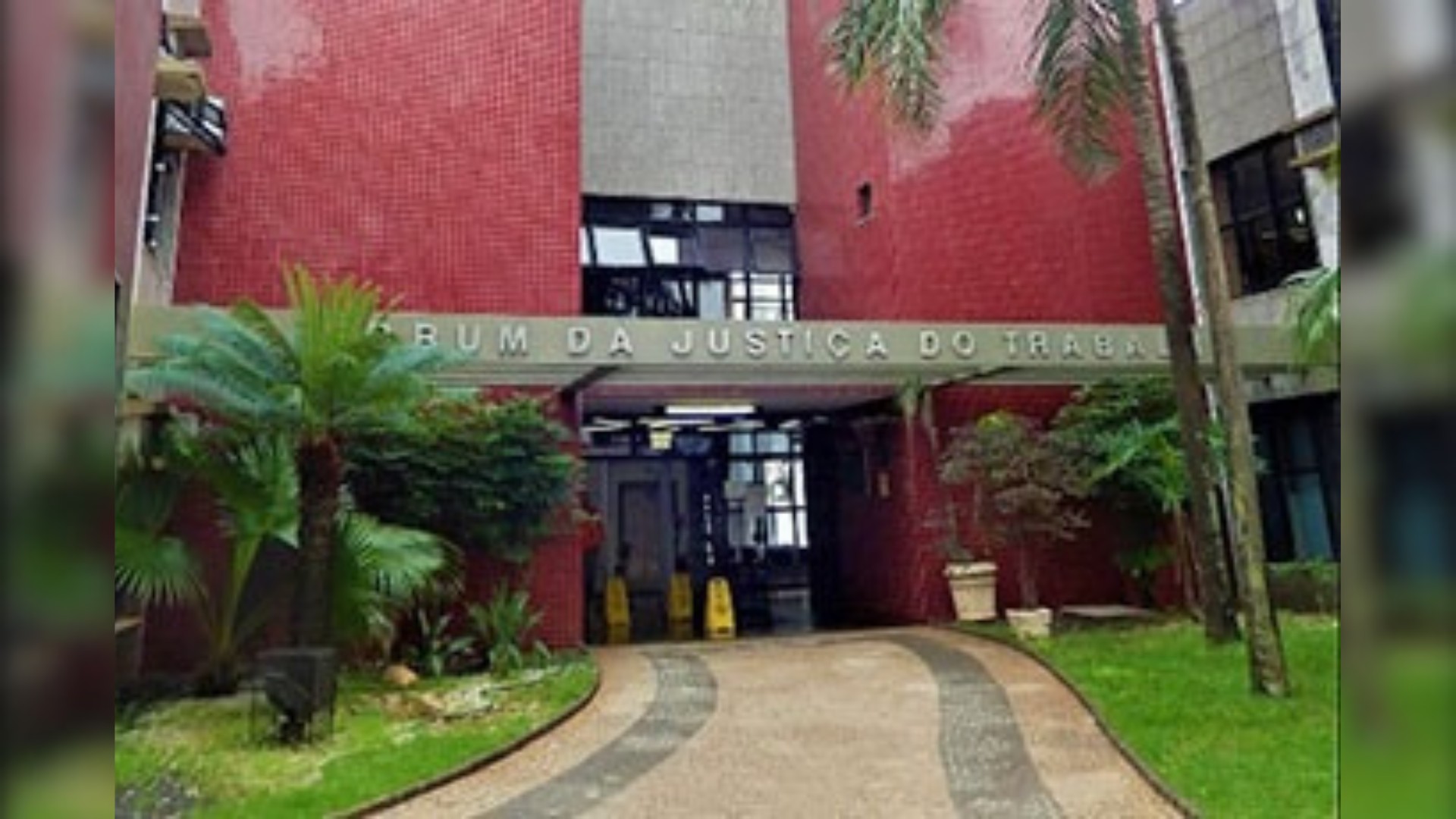
A labor court in Uberlândia, Brazil, overturned the termination of an employee in the food industry who was fired for working just four minutes past his scheduled shift. The employee's lawyer, Priscilla Rezende, confirmed that he has not yet secured formal employment since the dismissal. The company has appealed the decision to the Superior Labor Court (TST), preventing the case from being finalized and the employee from receiving severance pay. Rezende stated that the worker is still without the compensation previously awarded by two court levels. Beyond financial loss, the lawyer highlighted the reputational damage caused by a 'just cause' dismissal, which severely impacts job prospects. This severe form of termination, according to Brazilian labor law, forfeits rights like notice pay, proportional vacation and 13th salary, a 40% FGTS penalty, and unemployment benefits. The company's representative admitted during testimony that the time clock was located five minutes away from the employee's workstation, and the employee wouldn't have exceeded his hours if the clock were closer. The court found that the extra four minutes were due to travel time to the clock and not intentional rule-breaking. The court also deemed the company's timekeeping system and the subsequent 'just cause' dismissal disproportionate. The defense argued that the company waited seven days to issue the termination letter, suggesting they did not consider the incident serious enough to warrant immediate dismissal and had effectively forgiven the minor infraction.
This case highlights a critical tension between rigid adherence to workplace rules and the practical realities of employee experience, particularly concerning timekeeping systems. The legal system's intervention suggests a recognition that punitive measures, especially severe ones like 'just cause' dismissal, must be proportionate to the offense and consider systemic factors. The employer's own admission regarding the distance to the time clock underscores how organizational design can inadvertently create compliance issues. The prolonged legal battle and the employee's continued unemployment point to the significant non-financial consequences of such disputes, including reputational harm and the chilling effect on future employment. Moving forward, organizations may benefit from reviewing their disciplinary policies and timekeeping infrastructure to ensure fairness and avoid outcomes that disproportionately penalize employees for minor, system-induced infractions, fostering a more balanced approach to labor relations in the digital age.
AI-generated to prompt reflection — not editorial opinion, not advice, not a statement of fact. How this works.