Worker Fired for 4 Extra Minutes Wins Case After Court Rules Clock Was Too Far
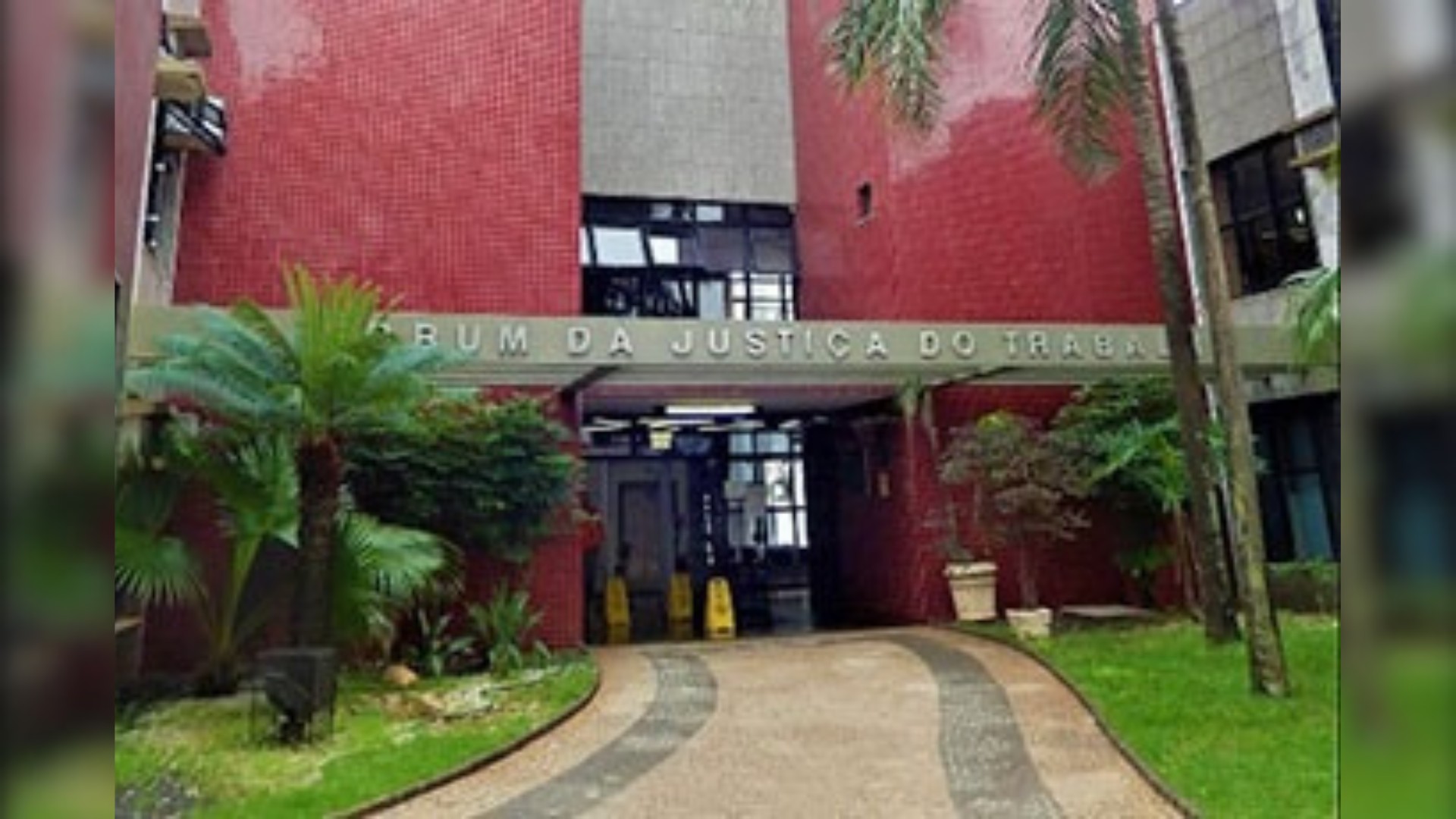
A Brazilian labor court has overturned the termination of an employee from the food industry in Uberlândia who was dismissed for working four minutes beyond their scheduled shift. The employee argued that the extra time was spent walking to the time clock, which was located in a distant locker room, about a five-minute walk from their workstation. The company's representative corroborated this account, admitting that the employee would not have exceeded the workday if the clock had been closer. The court found the dismissal disproportionate and lacking intent from the employee to violate company rules. Judge Celso Alves Magalhães of the 5th Labor Court of Uberlândia considered the excess minutes insignificant and a direct result of the travel time to the clock. This ruling was upheld by the Minas Gerais Regional Labor Court (TRT-MG), though an appeal to the Superior Labor Court (TST) is possible. The company had cited the four-minute infraction, along with prior warnings and a suspension, as evidence of the employee's lack of commitment. However, the court determined that the company failed to prove the previous disciplinary actions were severe enough to justify immediate termination. Consequently, the dismissal is now considered without just cause, entitling the worker to severance pay, accrued and proportional vacation time with a one-third bonus, proportional 13th salary, a 40% FGTS bonus, and a penalty under CLT article 477. The court also recognized the employee's right to a medium-level insalubrity bonus and ordered the company to provide a Social Security Professional Profile (PPP). A claim for moral damages was denied, as the court found no evidence of harm to the worker's honor, image, or dignity beyond the wrongful termination itself.
This case highlights the critical importance of workplace infrastructure and administrative processes in determining fair labor practices. The court's decision underscores that rigid adherence to timekeeping, without considering logistical realities like the placement of equipment, can lead to disproportionate disciplinary actions. It suggests that employers should ensure their systems for recording work hours are practical and do not inadvertently penalize employees for unavoidable travel time within the workplace. From a future-oriented perspective, this ruling could encourage companies to invest in more integrated or accessible time-tracking technology, potentially leveraging IoT or mobile solutions to eliminate such discrepancies. It also prompts a broader consideration of how performance and adherence to rules are evaluated in an era where digital monitoring is increasingly prevalent, ensuring that technology serves efficiency without sacrificing fairness or fostering a culture of punitive oversight.
AI-generated to prompt reflection — not editorial opinion, not advice, not a statement of fact. How this works.