Worker to Receive Compensation for 1km Walk to Restroom
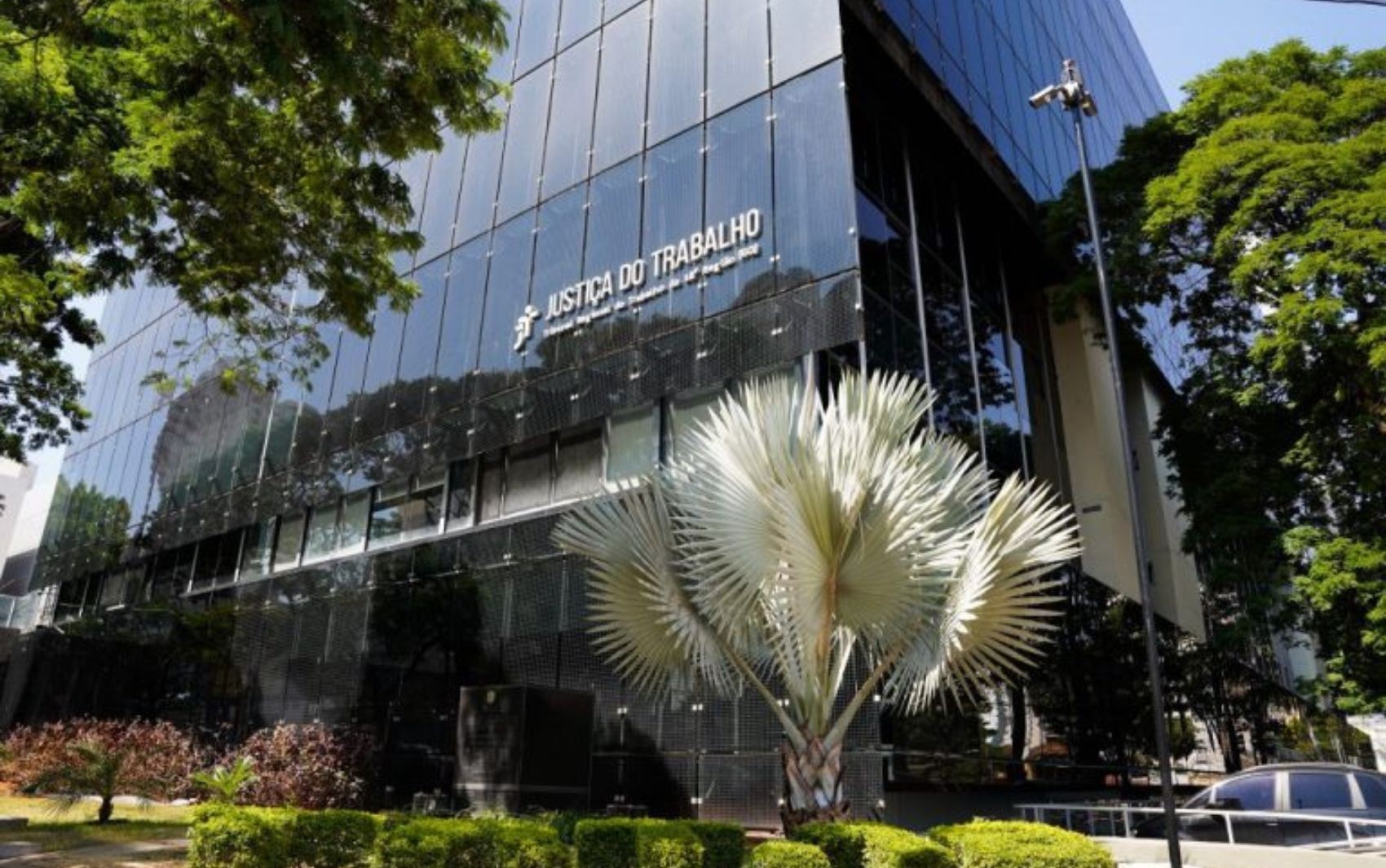
A Brazilian court has ordered a company to pay compensation to a worker who was required to walk one kilometer to access a restroom and drinking water. The decision was upheld by Judge Wanda Lucia Ramos da Silva of the Regional Labor Court of the 18th Region (TRT-18) in Goiás. The worker, a traffic controller at a bauxite loading and unloading facility in Santa Isabel, had to travel 500 meters to the restroom and another 500 meters back, a journey exacerbated by working outdoors in adverse weather conditions. Legal regulations typically stipulate maximum distances of 150 meters for restroom access and 100 meters for drinking water. Initially, a lower court judge, Cleber Martins Sales, awarded the worker R$7,000 in damages and other labor rights through indirect termination of his contract. The company appealed this decision. Judge Ramos da Silva maintained the compensation but reduced the amount to R$3,600, deeming the offense minor and the sum more proportionate. The situation occurred between November 2024 and April 2025. The company has further appealed to the Superior Labor Court (TST), stating its commitment to workplace integrity and regulatory compliance. The worker's attorney confirmed that the compensation has not yet been paid due to the ongoing appeal. If the indirect termination is finalized, the company will also owe the worker severance pay, salary balance, accrued and proportional vacation pay with a one-third bonus, 13th salary, and a 40% penalty on the FGTS balance.
This case highlights a potential systemic issue in workplace infrastructure provision, where the practical distance to essential facilities significantly impacts employee well-being and productivity, especially in outdoor or expansive work environments. The legal framework aims to establish minimum standards for worker comfort and dignity, but the protracted legal process, including appeals to higher courts, suggests a gap between regulatory intent and immediate corporate compliance. The company's recourse to the Superior Labor Court indicates a strategic approach to managing liability, potentially setting precedents for similar claims. Future considerations for businesses may involve proactive investment in decentralized facilities or improved logistical planning to mitigate such risks and ensure adherence to evolving labor standards, particularly as remote work and flexible arrangements become more prevalent, altering traditional workplace dynamics.
AI-generated to prompt reflection — not editorial opinion, not advice, not a statement of fact. How this works.