World Bank Approves $375.9 Million for Pakistan's Power Transmission Network Upgrade
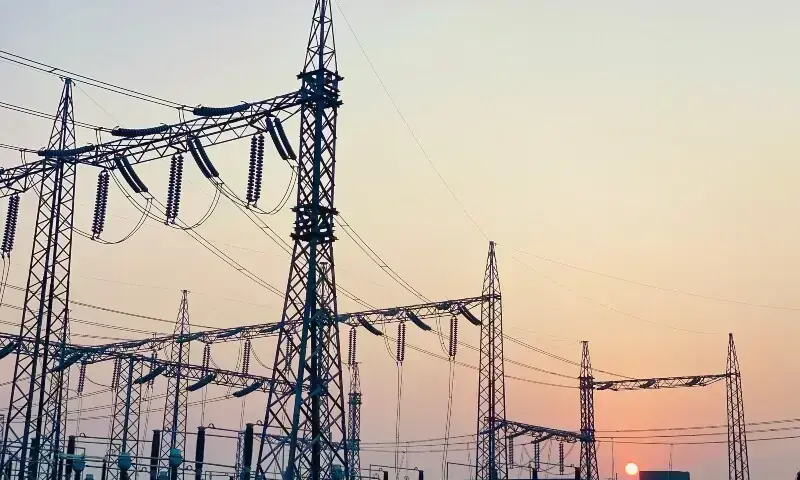
The World Bank has approved $375.9 million in financing for Pakistan's Grid Stability Enhancement Project, aimed at strengthening the nation's power transmission network. This initiative is the first phase of a decade-long program, BEST-PAK, designed to modernize Pakistan's electricity transmission, reduce power outages, and integrate more clean energy. The project addresses critical issues of grid instability and transmission bottlenecks that have led to frequent power outages, increased electricity costs, and underutilization of clean energy resources, impacting millions of Pakistanis and hindering economic opportunities.
The investment will facilitate the installation of advanced equipment to stabilize the grid and improve electricity flow at key substations. This upgrade is expected to bring 640MW of curtailed wind energy onto the grid and enable the full utilization of 1,840MW of wind capacity in southern Pakistan. Furthermore, it will support the integration of approximately 491MW of planned private sector renewable energy projects, contributing to Pakistan's goal of achieving 60% renewable energy by 2030, in line with its Paris Agreement commitments. The project anticipates avoiding over 832,500 tonnes of carbon dioxide emissions annually.
Beyond infrastructure, the project supports Pakistan's transmission sector reforms, including restructuring the National Transmission and Dispatch Company (NTDC) and enhancing governance, accountability, and operational performance. Recognizing Pakistan's vulnerability to climate change, the project mandates climate-resilient specifications for new installations, such as elevated platforms and equipment designed for extreme temperatures, to ensure reliable performance during adverse weather conditions like floods and heatwaves.
This World Bank funding addresses critical infrastructure and energy policy challenges in Pakistan, aiming to enhance grid stability and facilitate renewable energy integration. By investing in transmission upgrades, the project seeks to mitigate the economic and social costs associated with power outages and underutilized clean energy potential. The initiative's focus on climate resilience is particularly pertinent given Pakistan's high exposure to climate-related risks. The success of this project will likely hinge on effective implementation of associated institutional reforms, including the restructuring of NTDC, and the ability to attract future private capital into the energy sector. The long-term implications involve not only improved energy security and reduced emissions but also the potential for greater economic development through a more reliable and modern power infrastructure.
AI-generated to prompt reflection — not editorial opinion, not advice, not a statement of fact. How this works.