World Bank Releases New Income Classification for Global Countries
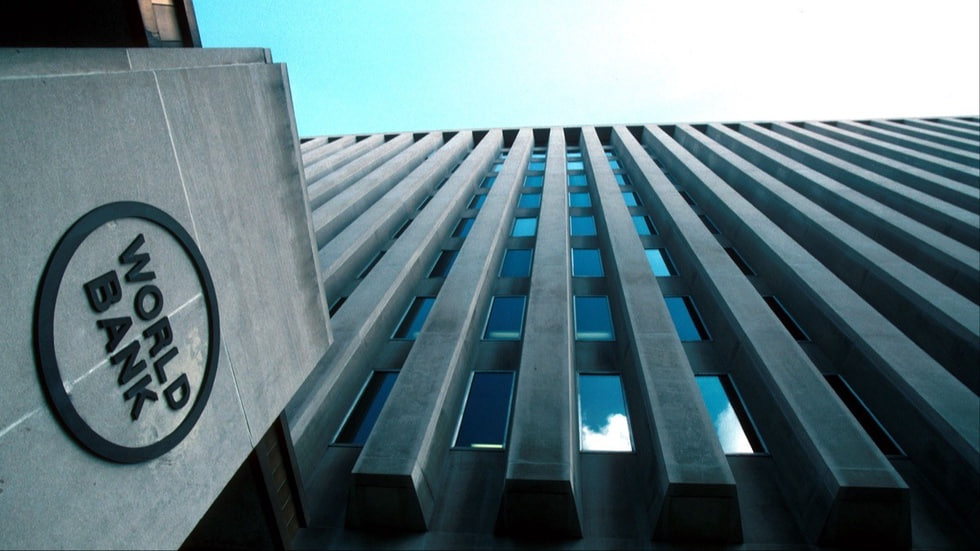
The World Bank has announced its updated income classification for countries worldwide, categorizing them into four distinct groups based on their Gross National Income (GNI) per capita. The newly revised classification divides nations into low-income, lower-middle-income, upper-middle-income, and high-income economies. This updated ranking system is a key tool used by the World Bank to determine eligibility for various financial assistance programs and to track global economic development trends. The classification is reviewed annually to reflect changes in national economies. The specific GNI per capita thresholds for each category are determined by the World Bank and are subject to change each fiscal year. This system helps in understanding the relative economic standing of different countries and informs policy decisions aimed at poverty reduction and economic growth. The latest report provides a snapshot of the global economic landscape based on the most recent available data.
The World Bank's GNI-based income classification serves as a foundational metric for global development finance and policy. By segmenting countries into income tiers, the institution aims to tailor its support and lending strategies, directing resources towards economies with the greatest need or potential for growth. This categorization, while useful for operational purposes, can also highlight persistent global economic disparities. Future analysis might explore the long-term implications of these classifications on trade relations, investment flows, and the evolving role of middle-income countries in the global economy, particularly in the context of technological advancement and climate change adaptation.
AI-generated to prompt reflection — not editorial opinion, not advice, not a statement of fact. How this works.