World Bank Upgrades Sri Lanka to Upper-Middle-Income Status After Economic Recovery
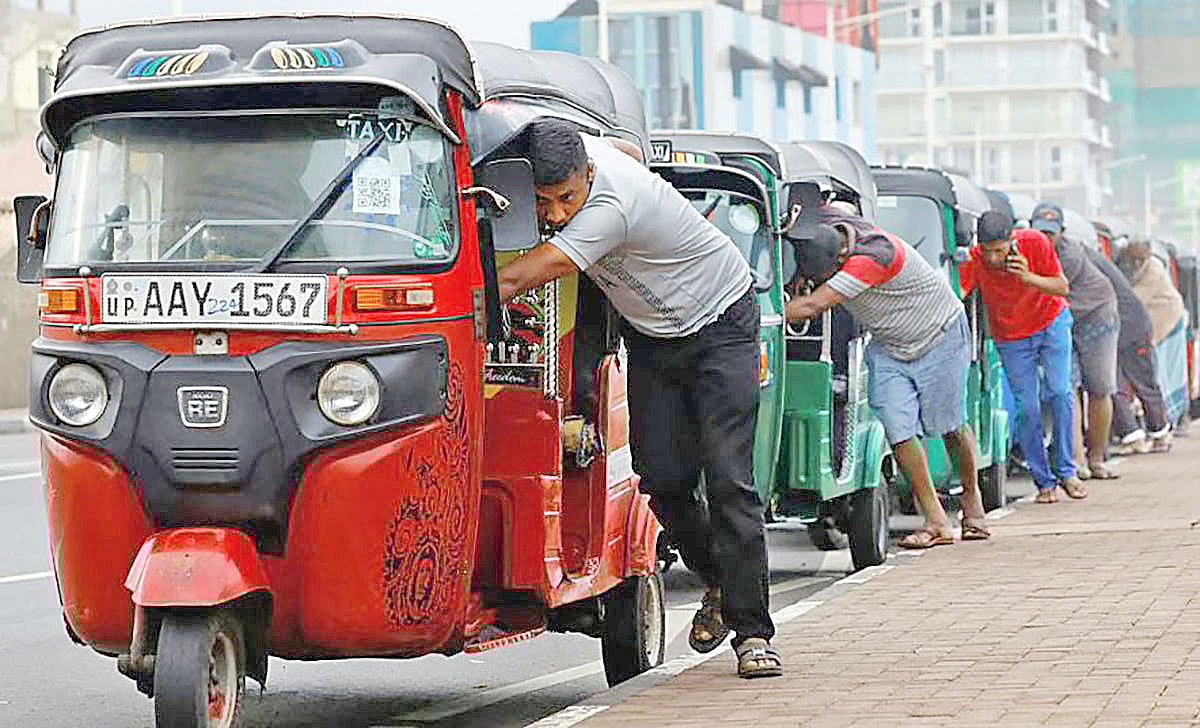
The World Bank has reclassified Sri Lanka as an upper-middle-income country, recognizing its significant economic recovery following a severe crisis in 2022. This upgrade, detailed in the World Bank's latest income-based classification released on Wednesday, moves Sri Lanka from the lower-middle-income category. The reclassification is driven by the nation's projected 5% GDP growth in 2025, fueled by a resurgence in its industrial sector, tourism, and financial services. The World Bank described Sri Lanka's turnaround as a "recovery story," highlighting how the island nation narrowly avoided economic collapse just three years ago. The new classification serves as a testament to the country's economic resilience and its ability to overcome substantial challenges in a short period. This income-based categorization, which uses the previous calendar year's Gross National Income (GNI) per capita, will remain the global standard until June 2027. Sri Lanka's economic downturn in 2022 was precipitated by a confluence of events, including the 2019 Easter Sunday bombings, the COVID-19 pandemic, and subsequent balance of payments issues, leading to a sovereign debt default. The World Bank views this reclassification as a reflection of progress made under a comprehensive economic stabilization program supported by the International Monetary Fund (IMF), which included reforms in revenue, monetary policy, and external debt restructuring. Key factors contributing to Sri Lanka's recovery include the revival of tourism, increased remittances, improvements in the external sector, and a return to economic growth after two consecutive years of contraction.
The World Bank's reclassification of Sri Lanka to upper-middle-income status marks a significant milestone, reflecting a successful navigation of a severe economic crisis. This upgrade underscores the effectiveness of targeted economic stabilization programs, particularly those involving international cooperation and structural reforms. However, the rapid ascent also highlights the inherent volatility of economies reliant on external factors like tourism and remittances, as well as the ongoing challenges of managing sovereign debt. Looking ahead, Sri Lanka's sustained progress will depend on its ability to diversify its economic base, enhance fiscal resilience, and implement robust governance frameworks to mitigate future shocks. The nation's trajectory offers valuable insights into the dynamics of post-crisis recovery and the complex interplay of global economic forces and national policy.
AI-generated to prompt reflection — not editorial opinion, not advice, not a statement of fact. How this works.