World Cup 2026: Coaches Sacked After Qualification Failures
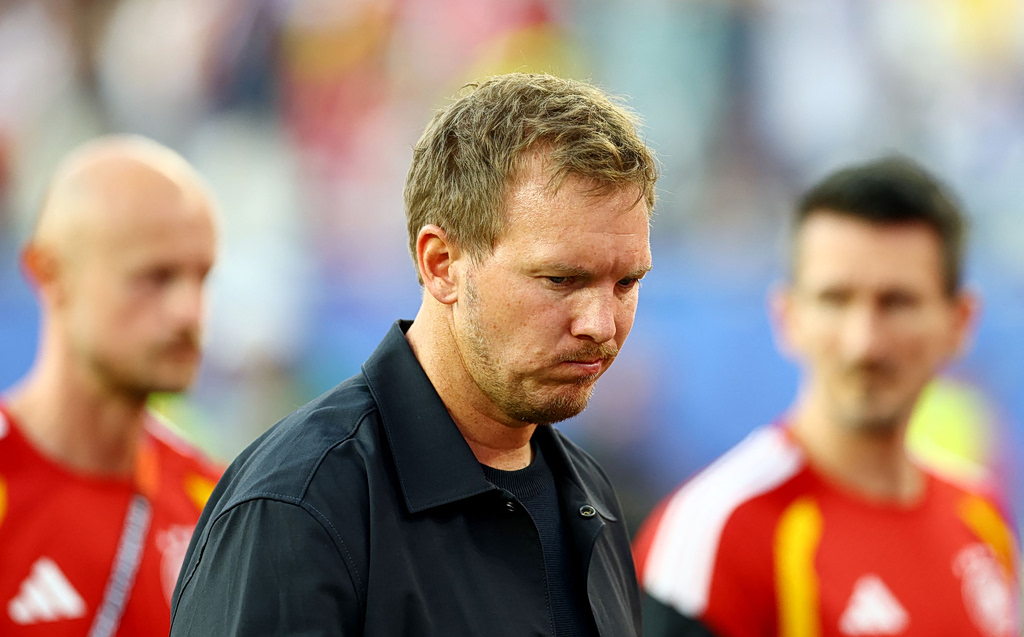
The failure to qualify for the 2026 World Cup has resulted in the dismissal of eight national team coaches. These eliminations have not only ended the aspirations of the respective national squads but have also led to the premature conclusion of these coaches' tenures. The pressure to perform on the international stage is immense, and a lack of success in qualification campaigns often leads to swift changes in leadership. This trend highlights the high stakes involved in international football management and the unforgiving nature of results-driven environments. The affected coaches will now face the challenge of finding new roles, while their former teams will begin the search for replacements to guide them through future competitions. The 2026 World Cup qualification process has proven to be a significant turning point for several national football programs.
The immediate dismissal of national team coaches following World Cup qualification failures reflects a common governance pattern in international sports. This reactive approach, driven by short-term performance metrics, often overlooks the long-term strategic development of a team. While accountability is necessary, the rapid turnover of coaching staff can disrupt team cohesion and hinder the implementation of sustainable development plans. Future-oriented sports governance might consider more holistic evaluation frameworks that assess coaching impact beyond immediate qualification results, focusing on player development, tactical innovation, and the establishment of robust team cultures. This could foster greater stability and potentially lead to more consistent international success over time.
AI-generated to prompt reflection — not editorial opinion, not advice, not a statement of fact. How this works.