World Cup 2026: Historical Football Giants Lagging Behind
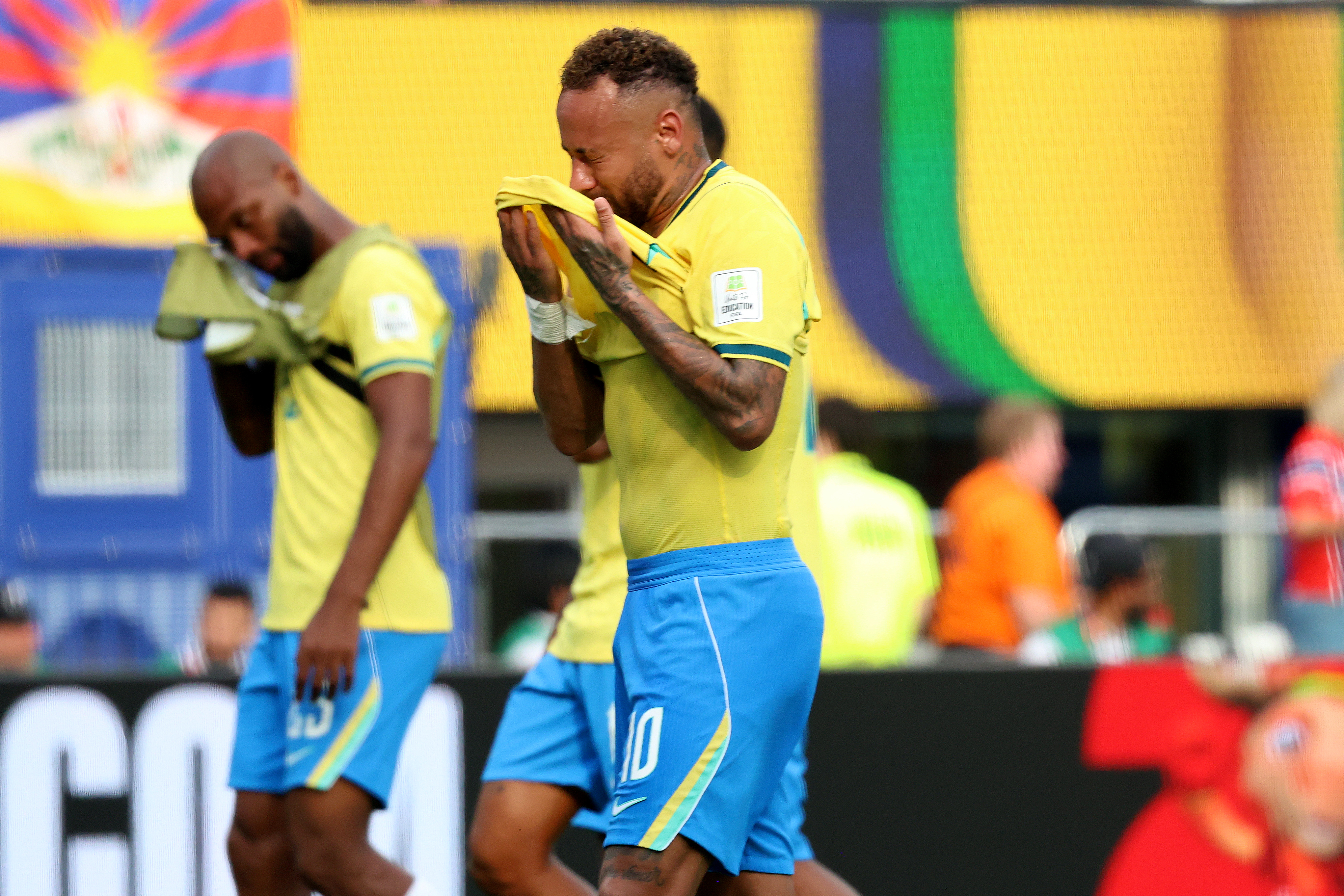
As France, England, and Argentina solidify their positions among the elite of world football, historical powerhouses such as Germany, Brazil, and Italy are experiencing a period of diminished prominence. These nations, once dominant forces in the sport, are currently facing challenges in maintaining their traditional status on the global stage. The upcoming 2026 World Cup will likely see a shift in the established hierarchy, with some traditional giants struggling to qualify or make deep runs in the tournament. This trend suggests a potential evolution in the global football landscape, where consistent performance and adaptation to modern tactics are becoming increasingly crucial for sustained success. The struggles of these footballing giants highlight the competitive nature of international football and the need for continuous development to remain at the top.
The current performance trends of historically dominant football nations like Germany, Brazil, and Italy suggest a dynamic shift in global football power structures. This evolution may reflect changing investment in youth development, adaptation to evolving tactical approaches, and the rise of new competitive forces. Examining the underlying reasons for this relative decline, such as shifts in national league strength, coaching philosophies, or player talent pipelines, could offer insights into future World Cup outcomes. The long-term implications might involve a broader distribution of footballing success, challenging traditional expectations and potentially fostering greater global parity in the sport over the next decade.
AI-generated to prompt reflection — not editorial opinion, not advice, not a statement of fact. How this works.