World Cup 2026 Sales: From Manchester City's Investment to Bayern Munich's Moroccan Signing
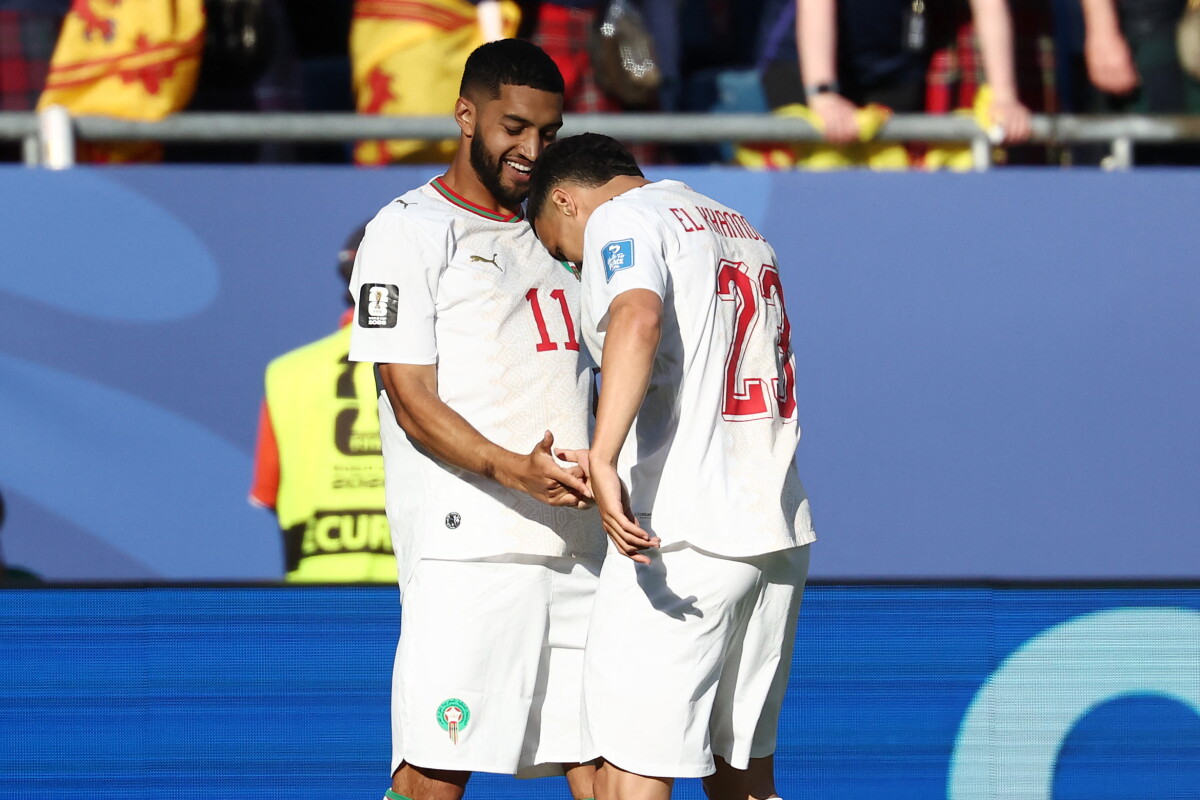
The 2026 World Cup has become a significant event for player sales, with top clubs actively seeking to sign promising talent. Following strong performances in the tournament, numerous players have attracted the attention of major football clubs. These clubs are then making substantial investments to secure these athletes for their rosters. An example of such a transaction involves the Belgian player Youri Tielemans, who was acquired after his World Cup performance. The article also mentions a Moroccan signing by Bayern Munich, indicating the global reach of player recruitment following the event. The scale of these deals suggests a strategic approach by clubs to bolster their squads with World Cup standouts. Manchester City is noted for making a considerable investment, highlighting their ambition in the transfer market. The Moroccan player's move to Bayern Munich underscores the international appeal and scouting network that the World Cup facilitates. These sales represent a crucial part of the football business cycle, where international tournaments serve as a major platform for talent identification and acquisition.
The 2026 World Cup serves as a high-stakes marketplace for football talent, demonstrating how major tournaments act as catalysts for significant financial transactions. Clubs like Manchester City and Bayern Munich leverage these events to strategically acquire players, aiming to enhance their competitive edge and market value. This dynamic highlights the increasing globalization of football, where performance on a world stage directly translates into substantial transfer fees and player mobility. The analysis of these sales should consider the long-term implications for club development, player career trajectories, and the broader economic ecosystem of professional football, particularly in the context of evolving media rights and fan engagement strategies in the coming decade.
AI-generated to prompt reflection — not editorial opinion, not advice, not a statement of fact. How this works.