World Cup 2026: Underdogs Shine as Spectacle Takes a Backseat to Football Drama
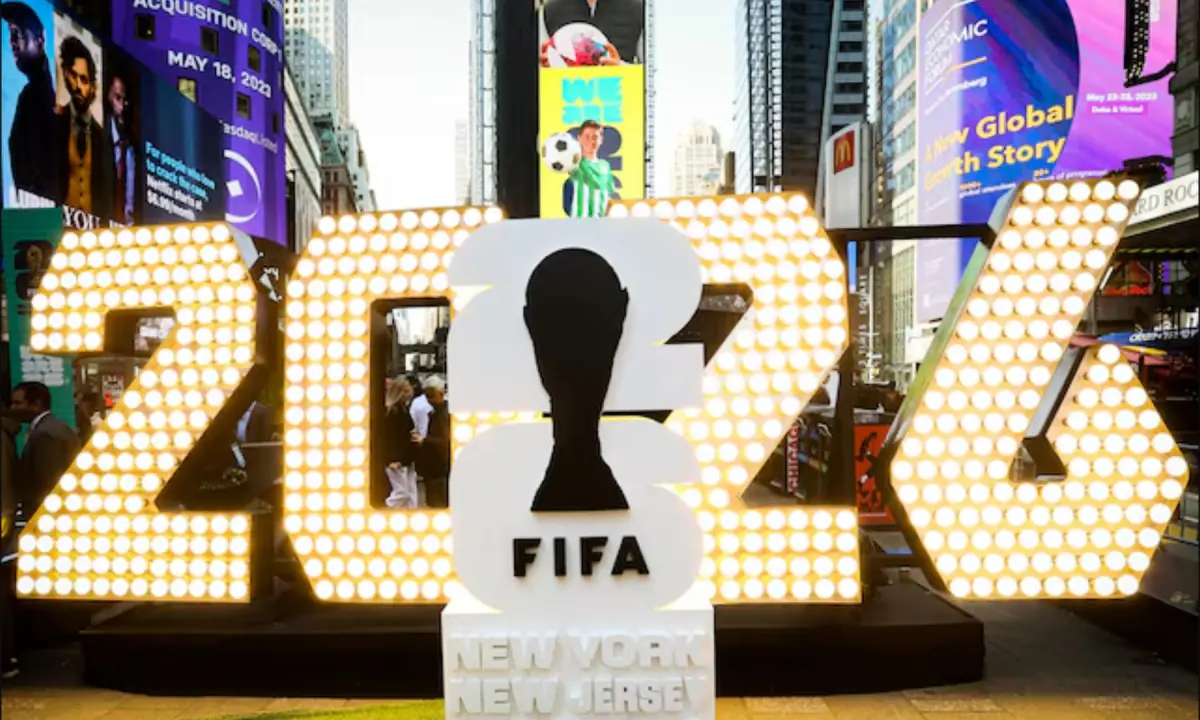
The 2026 FIFA World Cup, hosted across three countries, has defied expectations by prioritizing compelling on-field action over its massive pre-tournament spectacle. Despite FIFA's extensive preparations, including elaborate opening ceremonies and numerous headline performers, the tournament's narrative has been dominated by unexpected upsets and the resilience of underdog teams. Pre-tournament controversies, such as the draw's venue and concerns over ticket prices and stadium heat, were overshadowed by the actual football. FIFA's introduction of mandatory hydration breaks, intended to address heat concerns, was criticized by figures like Marcelo Bielsa for disrupting the game's flow. Furthermore, travel restrictions impacted several qualified nations, including Iran, Haiti, Senegal, and Ivory Coast, and a referee from Somalia faced border issues. The expanded 48-team format, initially feared to dilute competition, instead fostered thrilling matches and highlighted smaller nations. Cape Verde notably held Spain scoreless and drew with Uruguay, while a 40-year-old goalkeeper, Vozinha, captured global attention. Curacao's Eloy Room delivered a standout goalkeeping performance against Ecuador. Norway achieved its first-ever knockout stage win, defeating Ivory Coast and then narrowly losing to Brazil in a dramatic match where Erling Haaland scored twice, only to be eliminated by England in the quarter-finals. Paraguay produced the tournament's biggest shock by defeating four-time champions Germany on penalties in the round of 32. The tournament also marked the final World Cup appearance for Cristiano Ronaldo, whose Portugal team was eliminated by Spain in the last 16.
This World Cup narrative highlights a recurring tension between the commercialized spectacle surrounding major sporting events and the inherent unpredictability and drama of athletic competition. FIFA's efforts to maximize global reach and revenue through an expanded format and elaborate entertainment appear to have inadvertently amplified the appeal of underdog stories and genuine sporting upsets. The event's success, measured by fan engagement and media attention, suggests a public preference for authentic athletic contests over manufactured entertainment. Future organizers may need to re-evaluate the balance between commercial interests and the preservation of sport's intrinsic narrative power, recognizing that genuine competition and unexpected outcomes are potent drivers of interest. The performance of smaller nations also raises questions about equitable development in global football and the potential for wider competitive balance with continued investment and opportunity.
AI-generated to prompt reflection — not editorial opinion, not advice, not a statement of fact. How this works.