World Cup: A Changing of the Guard
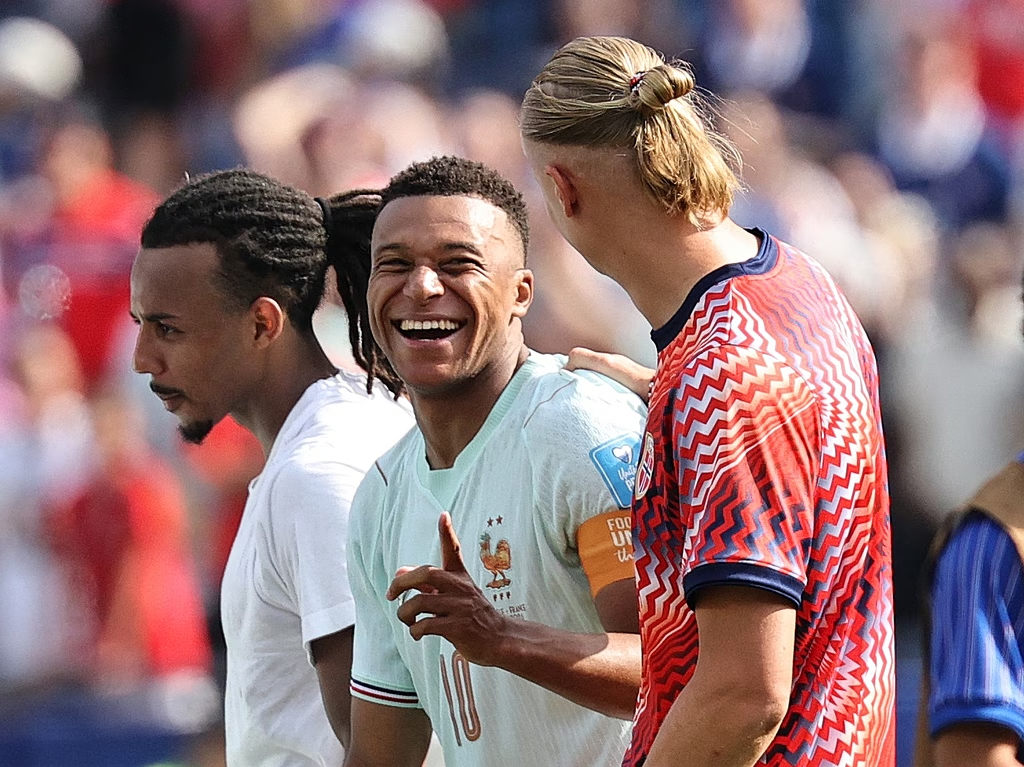
The FIFA World Cup is described as an informal relay race, signifying a shift in dominance. Prominent players from previous tournaments, such as Luka Modrić and Cristiano Ronaldo, have faded from the spotlight in recent matches. Their performances in the latest battles were largely unobserved, and they were not remembered for their contributions. Instead, they found themselves discussed for the wrong reasons, indicating a decline in their usual impact on the games. This transition suggests a new generation of players is emerging to take center stage in the global football arena. The tournament is witnessing the rise of new stars who are now capturing the attention of fans and media alike. The performances of these emerging talents highlight the dynamic nature of international football. As established legends recede, the focus shifts to those poised to define the sport's future. This evolution is a natural part of the World Cup's storied history.
The World Cup's narrative often centers on established stars, but this tournament appears to be marking a generational transition. The diminished visibility of players like Modrić and Ronaldo, who previously defined eras, suggests a natural evolution in athletic performance and team dynamics. This shift reflects broader trends in professional sports, where peak performance windows are finite and new talent continuously emerges. The focus on 'wrong reasons' for discussion may indicate public or media disappointment, but from a systemic perspective, it highlights the challenge of sustained elite performance over extended careers. Future World Cups will likely see an even greater emphasis on emerging talent and the strategic integration of new players into national teams, driven by the need for continuous innovation and adaptation in a highly competitive global sporting landscape.
AI-generated to prompt reflection — not editorial opinion, not advice, not a statement of fact. How this works.