World Cup Coaches' Press Conference Behavior Analyzed
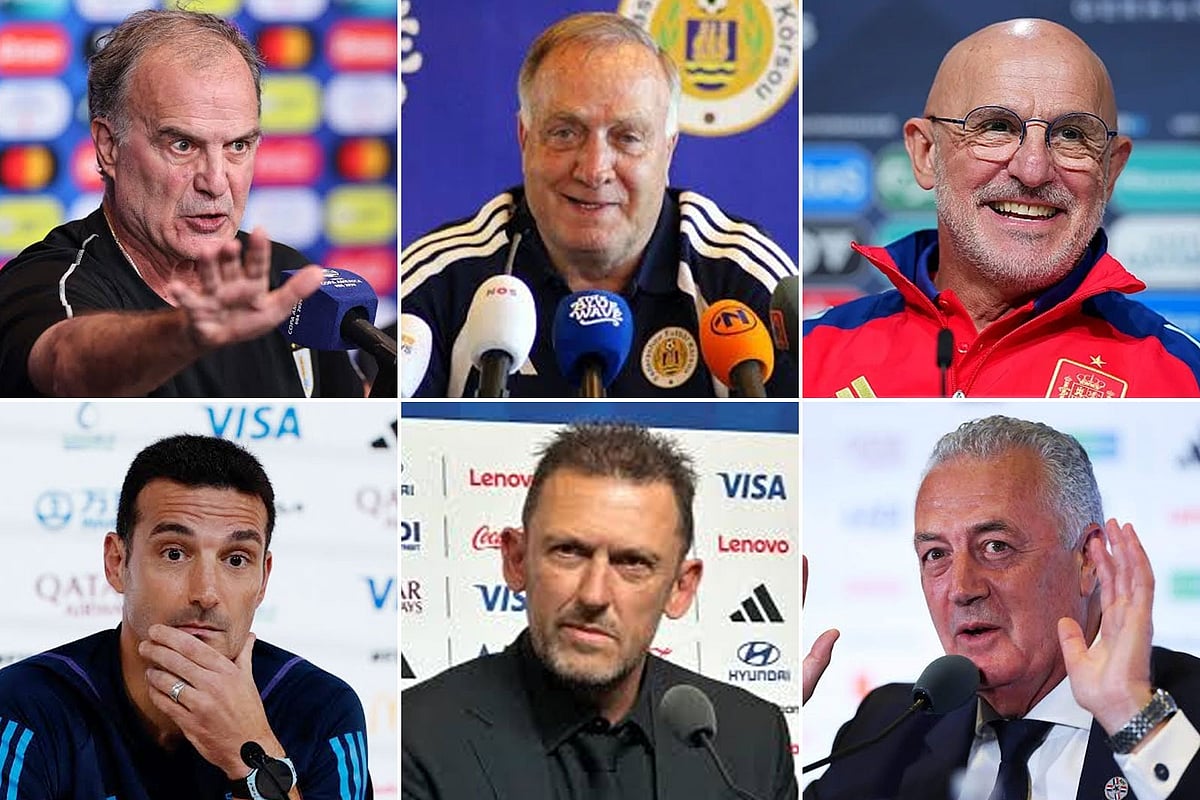
Research indicates that many top-tier coaches during the World Cup were reluctant to provide direct answers during press conferences. Instead, they frequently resorted to using familiar and safe phrases to evade difficult questions. This behavior suggests a pattern of strategic communication aimed at controlling the narrative and avoiding potential pitfalls in media interactions. The study highlights a common tactic employed by coaches to maintain a consistent public image and manage expectations. These findings offer insight into the psychological dynamics and media strategies prevalent in high-stakes sporting events. The research underscores the challenges journalists face in eliciting genuine responses from coaches under pressure. Ultimately, the study sheds light on the art of deflection and the careful cultivation of public persona by elite sports figures.
The study reveals a common communication strategy among elite coaches, where predictable and guarded language is employed to navigate press conferences. This approach, while effective in managing public perception and avoiding controversy, may inadvertently limit transparency and genuine engagement with the media and fans. In the evolving landscape of sports, where fan interaction and authentic storytelling are increasingly valued, such guarded communication could present a missed opportunity for deeper connection. Future coaching development might benefit from exploring strategies that balance media management with fostering a more open dialogue, potentially enhancing brand loyalty and public trust in the long term.
AI-generated to prompt reflection — not editorial opinion, not advice, not a statement of fact. How this works.