World Cup Conspiracy Theories: CIA, Seizures, and Drug Use Rumors
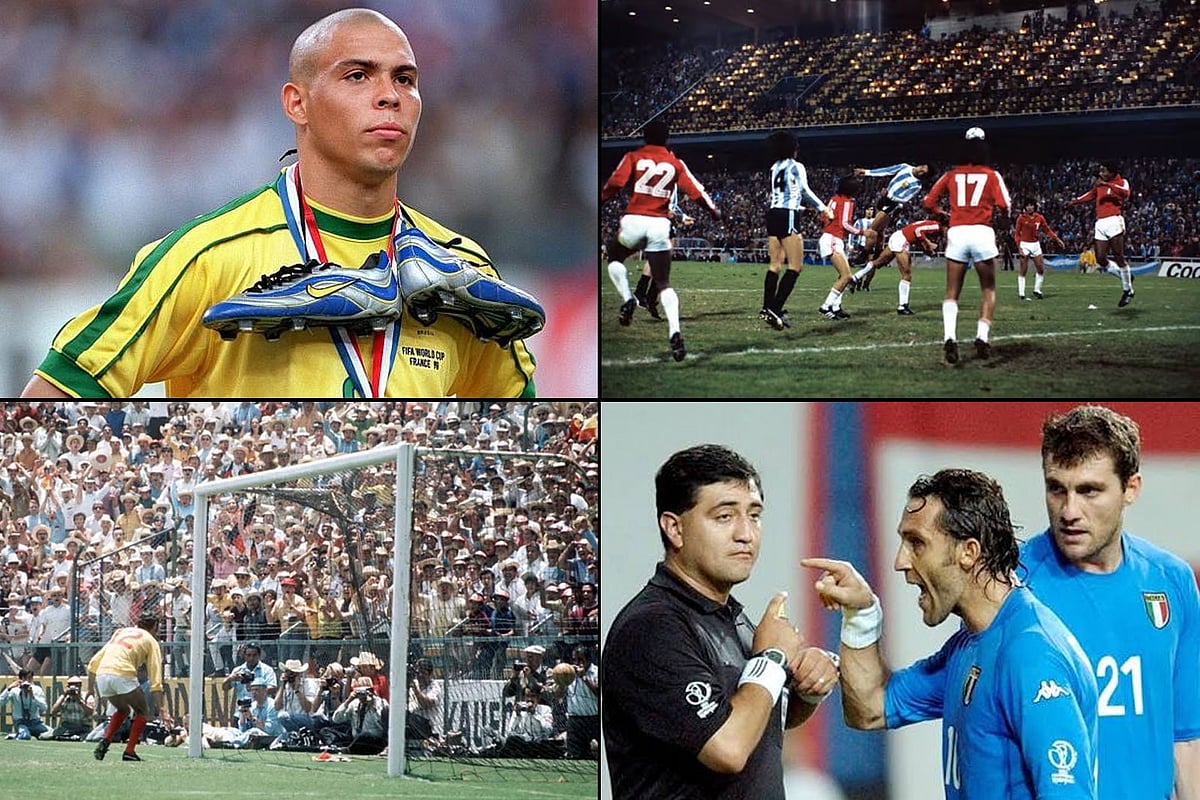
Conspiracy theories are not new to the World Cup, and this year is no exception, with several topics currently being discussed. This report revisits some past conspiracy theories surrounding the tournament. The Central Intelligence Agency (CIA) has been implicated in some of these theories, though no concrete evidence is typically provided. Additionally, rumors about players experiencing mysterious seizures have circulated, often linked to alleged sabotage or performance-enhancing drug use. The application of certain medications and their potential side effects or deliberate misuse have also been a recurring theme in these discussions. These narratives often gain traction due to the high stakes and intense scrutiny of the World Cup, fueling speculation among fans and media alike. While many of these theories lack substantiation, they highlight the intense psychological pressure and public fascination surrounding the global event. The history of the World Cup is replete with such unsubstantiated claims, reflecting a broader cultural tendency to seek hidden explanations for extraordinary events. These theories, however unfounded, contribute to the rich and often dramatic lore of the tournament.
The enduring appeal of World Cup conspiracy theories, involving entities like the CIA and allegations of player health issues or drug use, reflects a common human tendency to seek patterns and explanations in complex, high-stakes events. The intense global spotlight on the tournament amplifies speculation, particularly when official narratives may seem incomplete or when unexpected outcomes occur. Such theories, while often lacking evidence, can serve as a coping mechanism for fan anxiety or a way to process the immense pressure athletes face. Moving forward, as biometric data and real-time health monitoring become more sophisticated, the potential for both genuine medical insights and new avenues for speculative narratives will increase. It is crucial for stakeholders to foster transparency around player health and performance to mitigate the spread of unsubstantiated claims and maintain the integrity of the sport.
AI-generated to prompt reflection — not editorial opinion, not advice, not a statement of fact. How this works.