World Cup Ends Under Smog, Marred by Controversy and Rights Issues
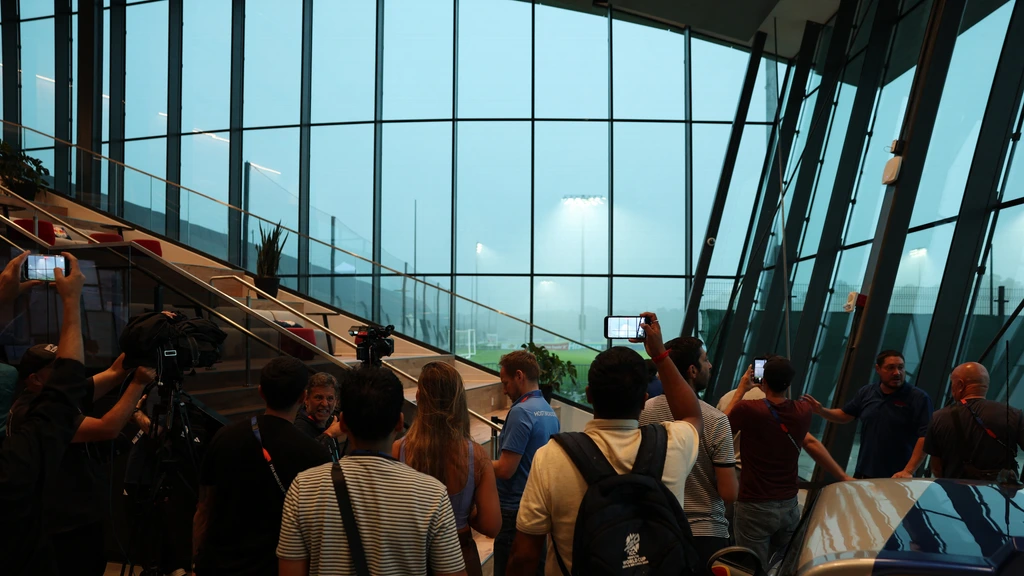
The FIFA World Cup is concluding under a gray sky in New York, blanketed by smog from Canadian wildfires, a fittingly somber end to a tournament marked by both spectacular football and significant controversy. Beyond the athletic achievements in packed stadiums, the event was overshadowed by extreme weather, human rights abuses, and political interference. FIFA critic Jules Boykoff highlighted the reversal of a red card for star player Balogun, allegedly due to political pressure from President Donald Trump, calling it one of the biggest controversies in World Cup history. Boykoff suggested Trump used this influence to project strength domestically, especially amidst dissatisfaction with his foreign policy and the Epstein files, linking it to upcoming elections. The tournament also faced issues with access, as many were effectively excluded. A Somali referee was denied entry, players were detained at borders, and fans struggled to obtain visas, leading Minky Worden of Human Rights Watch to state that the World Cup was hosted in a place where 'the world is not welcome.' This exclusion impacted vulnerable communities, with many Haitians losing temporary U.S. residency while their national team competed. Lily Dong Li Rosengard of ILGA World noted the conspicuous absence of the LGBTQ+ community due to safety concerns. Andrew Giuliani, Trump's 'World Cup czar,' defended the visa process as a privilege, not a right, and claimed the event showcased America's ability to balance international visitors with citizen safety. However, Amnesty International's Daniel Noroña argued the World Cup served as a distraction from ongoing immigration issues, including deportations and harsh policies, with protests continuing at ICE detention centers near stadiums. Concerns about food shortages, medication access, and fair legal processes were raised, with HRW reporting 55 deaths in ICE detention centers during Trump's second term, alongside recent fatal shootings of fathers by ICE agents. Despite these issues, some fans focused on enjoying the final match, with one Argentinian fan commenting that their president's call would not be heeded by FIFA, while Spanish supporters expressed a desire to simply enjoy the game.
The juxtaposition of a global sporting spectacle with significant human rights concerns and political maneuvering raises questions about the governance of international events. The alleged political intervention in a sporting decision, framed as a display of leadership, highlights the complex interplay between national interests and international organizations. Furthermore, the exclusion of specific groups due to visa policies and safety concerns, contrasted with the stated goals of welcoming international visitors, reveals systemic contradictions in event management and national security priorities. Looking ahead, the increasing use of major events for political signaling and the challenges in ensuring equitable access and safety for all participants underscore the need for robust international oversight mechanisms that prioritize human rights and fair processes over nationalistic agendas and political expediency.
AI-generated to prompt reflection — not editorial opinion, not advice, not a statement of fact. How this works.