World Cup Final Halftime Show Features Global Pop Stars
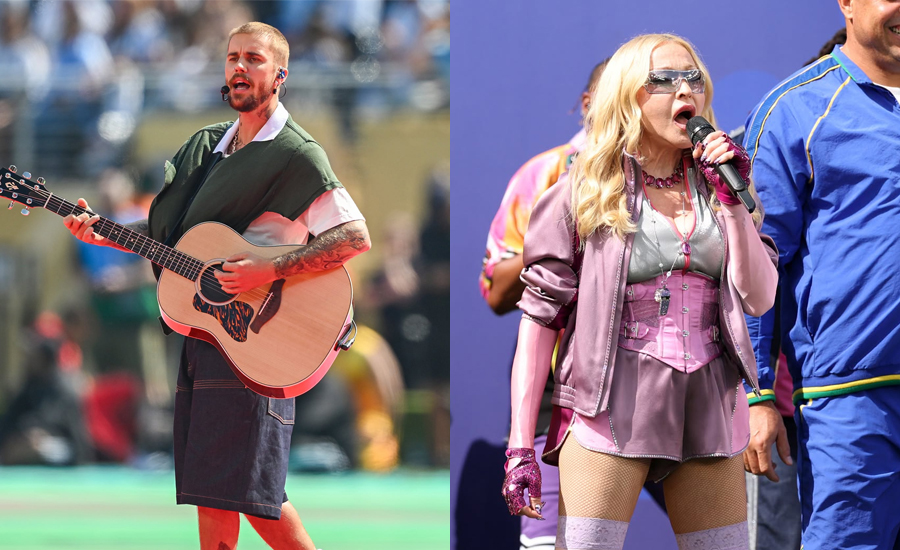
The halftime show at the World Cup final, lasting just over 11 minutes, was presented with highly organized choreography. The performance featured renowned pop stars, including Justin Bieber and Madonna. These global artists entertained the audience with their music and stage presence during the break of the championship match. The event showcased a significant production effort, aiming to deliver a memorable entertainment experience for a worldwide audience. The selection of international pop icons underscores the event's global appeal and its ambition to transcend sporting boundaries through popular culture. The choreography was meticulously planned to complement the musical performances, creating a cohesive and dynamic spectacle. This halftime show is a key component of the World Cup's broader entertainment strategy, designed to engage fans beyond the 90 minutes of play. The presence of artists like Bieber and Madonna highlights the event's capacity to attract top-tier talent, further amplifying its international reach and cultural impact.
The World Cup halftime show, featuring prominent global artists, serves as a significant cultural and commercial nexus. Such performances leverage the immense global viewership of the event to amplify artists' reach and brand value, while simultaneously enhancing the World Cup's entertainment appeal beyond the sport itself. This integration of high-profile entertainment into major sporting events reflects a broader trend of media convergence and the commodification of cultural moments. The strategic use of choreography and star power aims to create a shared, emotional experience for a diverse, international audience, potentially fostering a sense of global unity, albeit through a highly commercialized lens. Looking ahead, the increasing sophistication of AI in content creation and personalized fan engagement may further transform these halftime spectacles, offering new avenues for artistic expression and audience interaction.
AI-generated to prompt reflection — not editorial opinion, not advice, not a statement of fact. How this works.