World Cup Final: Possession vs. Counter-Attack - A Clash of Football Philosophies
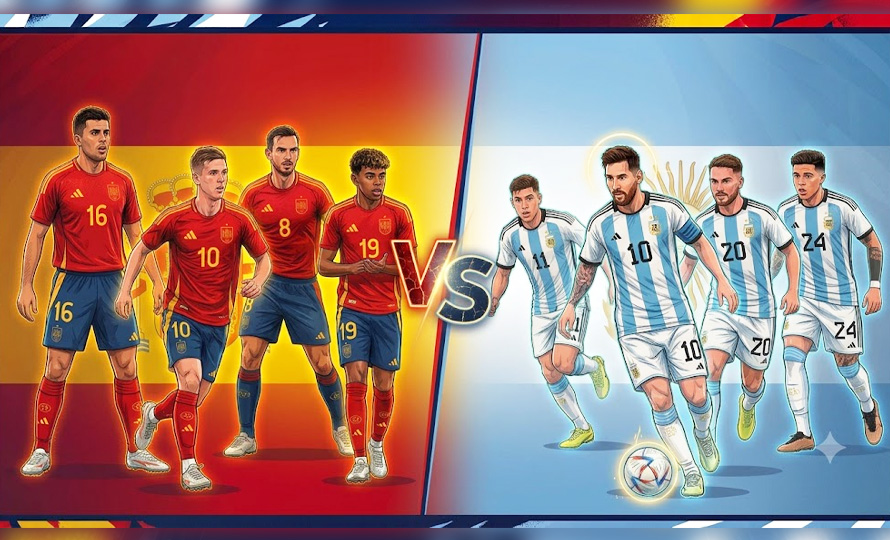
The World Cup final between Argentina and Spain in Atlanta will feature more than just two teams; it will be a contest between two distinct football philosophies. Spain, known for their possession-based game, aims to tire out opponents by controlling the ball for extended periods. In contrast, Argentina will look to capitalize on opportunities, capable of changing the game's momentum with a single decisive strike. This title clash is expected to test not only individual talent but also the strategic acumen of the coaches. The match will highlight the fundamental differences in how these two nations approach the sport, with Spain favoring a patient build-up and Argentina opting for swift, opportunistic attacks. The outcome may hinge on which team's philosophy proves more effective on the grandest stage.
The World Cup final presents a compelling case study in contrasting strategic approaches to elite football. Spain's adherence to a possession-dominant style reflects a long-standing tactical tradition, emphasizing control and methodical progression. Argentina's counter-attacking philosophy, conversely, highlights a preference for exploiting defensive vulnerabilities and transitioning rapidly. This juxtaposition raises questions about the long-term sustainability and adaptability of each approach in the face of evolving tactical trends and athletic performance. As football increasingly incorporates data analytics and predictive modeling, the ability of teams to flexibly deploy or adapt their core philosophies will likely become a critical determinant of success in future high-stakes competitions.
AI-generated to prompt reflection — not editorial opinion, not advice, not a statement of fact. How this works.