World Cup Final Stadium Obscured by Canadian Wildfire Smoke
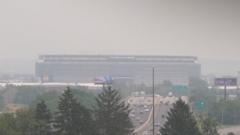
MetLife Stadium, located in New Jersey and slated to host the World Cup final, was enveloped in a dense, smoky haze. This atmospheric phenomenon was a direct result of hundreds of wildfires currently raging across Canada. The smoke traveled south, significantly reducing visibility and impacting air quality over the prominent sports venue. The event highlighted the far-reaching environmental consequences of large-scale wildfires, demonstrating how events in one country can have tangible effects on another, even impacting major international sporting infrastructure.
The visibility reduction at MetLife Stadium due to Canadian wildfire smoke underscores the interconnectedness of environmental systems and global events. This incident serves as a stark reminder of the transboundary impacts of climate-related disasters, necessitating enhanced international cooperation for wildfire management and air quality monitoring. Future planning for major outdoor events, particularly in North America, may need to incorporate contingency measures for severe air quality events driven by climate change, considering the increasing frequency and intensity of such phenomena.
AI-generated to prompt reflection — not editorial opinion, not advice, not a statement of fact. How this works.