World Cup Football vs. School Exams: A Dilemma for Students
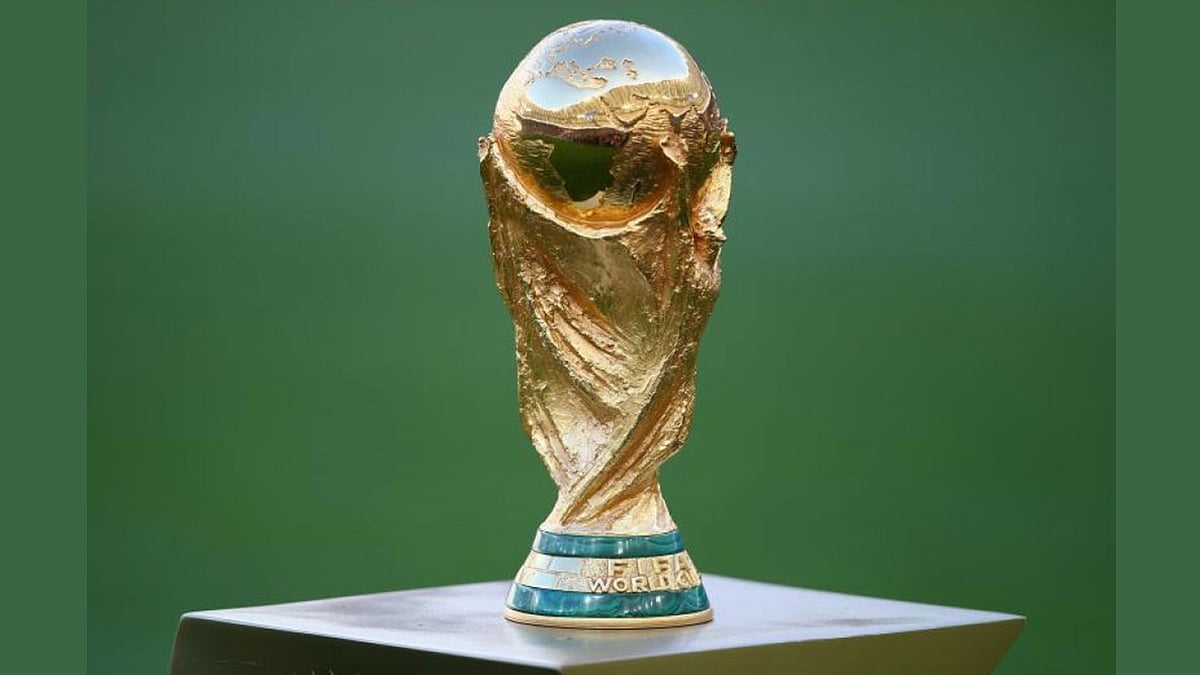
The author, reflecting on his childhood fascination with a Muhammad Ali boxing match broadcast on a black-and-white TV, draws a parallel to the current conflict between the FIFA World Cup and school examinations. He recounts a vivid memory of being a primary school student in Bangladesh, where his teacher, Abdus Sattar Molla, arranged for a TV to be set up at the local government primary school to watch the Ali-Spinks fight. Despite being unable to see the match clearly due to the crowd, his imaginative young mind conjured a fantastical explanation involving an antenna. This childhood experience, marked by a passion for sports and a willingness to skip school for it, contrasts with his current observations.
The juxtaposition of a global sporting spectacle with mandatory educational assessments highlights a systemic tension between extracurricular engagement and academic priorities. The author's narrative suggests that for young individuals, the immediate emotional resonance of major events like the World Cup can overshadow the perceived long-term value of education, particularly when the curriculum fails to capture their interest. This raises questions about the timing and scheduling of significant public events relative to educational calendars, and whether a more integrated approach could better serve student well-being and learning. The analysis centers on the need for educational institutions and event organizers to consider the psychological impact on students, fostering an environment where both learning and participation in significant cultural moments can coexist without undue stress or conflict.
AI-generated to prompt reflection — not editorial opinion, not advice, not a statement of fact. How this works.