World Cup fosters mental well-being through shared connection, experts say
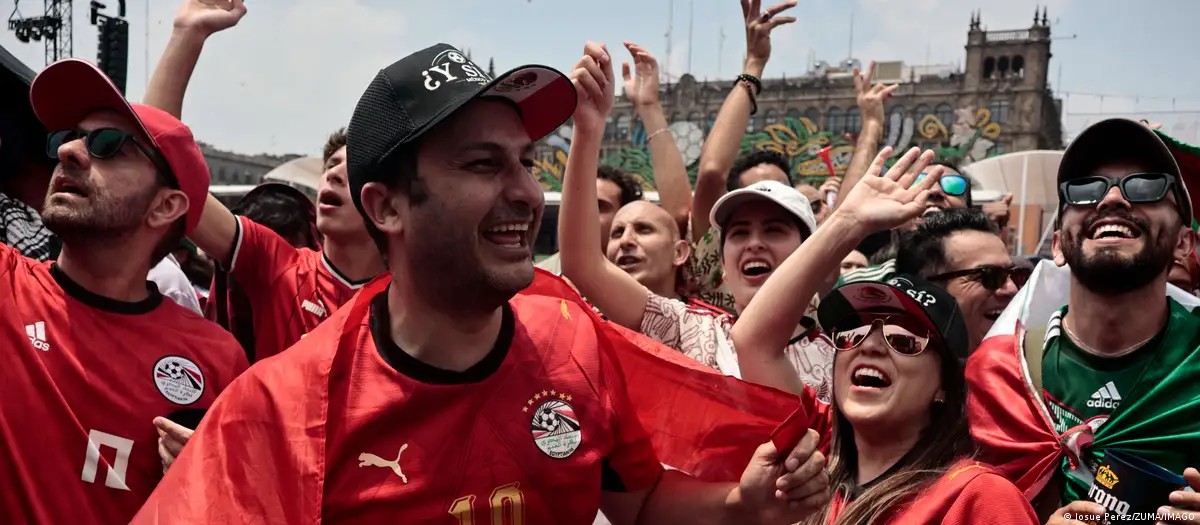
The FIFA World Cup provides significant benefits for mental health by fostering a sense of connection among people, according to clinical psychologist Katie Wood from Swinburne University. Wood emphasizes that the primary protective factor for mental well-being is connection—to oneself, others, community, and culture. Sports, and particularly the World Cup, excel at bringing people together, creating a feeling of belonging to something larger, even among strangers. This phenomenon was evident globally during recent tournaments, with fans from diverse backgrounds celebrating together, exchanging jerseys, and supporting the same teams. For instance, in Lawrence, Kansas, hundreds of residents donned Algerian colors to support the national team during their matches, as the city served as their base. Similarly, in Vancouver, Canada, fans exchanged jerseys after a match, and in Seattle, a Belgian fan consoled a disappointed American supporter. These shared emotional experiences transcend individual differences, creating a collective identity centered around a common goal. This sense of belonging fulfills a fundamental human need, offering a temporary escape from daily stresses and a healthy way to engage with the world. Even individuals without a specific team affiliation found joy in the shared atmosphere, highlighting the event's capacity to unite people through collective experience and emotion, with memorable moments often occurring off the field.
The World Cup's capacity to foster social cohesion and provide psychological respite highlights the inherent human need for belonging and shared experience. In an increasingly fragmented world, such large-scale events offer a powerful, albeit temporary, antidote to isolation. The analysis suggests that the collective emotional investment in a shared goal, irrespective of individual backgrounds, can serve as a potent, accessible tool for mental well-being. This dynamic underscores the potential for organized collective activities, beyond sports, to address societal needs for connection and community, particularly as digital interactions continue to reshape social bonds. Future consideration might involve how to sustain these positive effects and foster similar connections in less concentrated, everyday contexts.
AI-generated to prompt reflection — not editorial opinion, not advice, not a statement of fact. How this works.