World Cup Fuels Temporary Hiring Surge in Brazil, Boosting Sectors from Retail to Hospitality
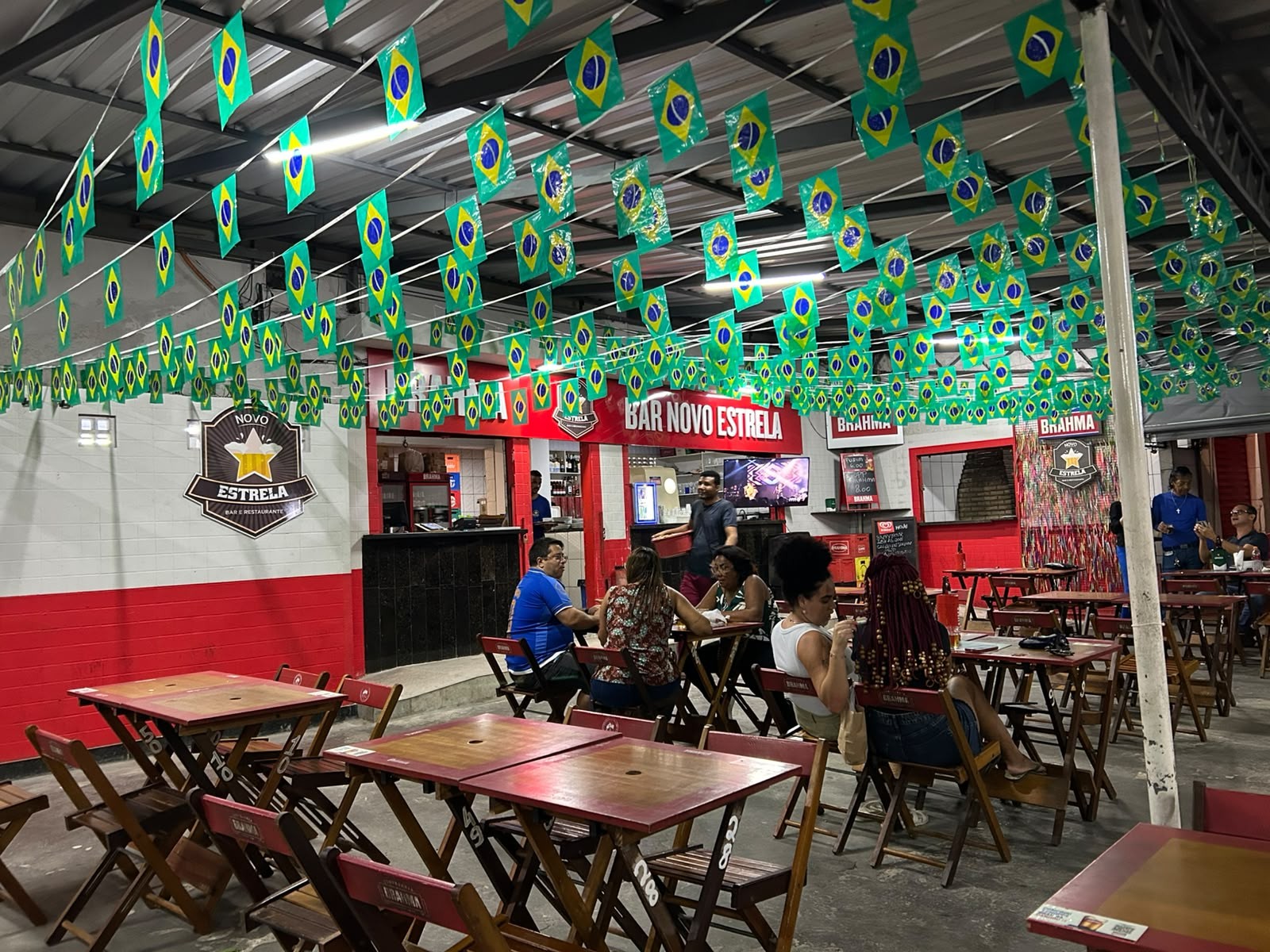
The 2026 FIFA World Cup, despite being held in North America, is significantly stimulating Brazil's labor market, particularly through increased consumer demand for food, beverages, electronics, and party supplies. This surge has led companies, especially in hospitality, retail, logistics, and events, to ramp up temporary hiring. Data from Catho reveals a 26% year-over-year increase in job postings in these sectors between April and June, with 40,217 vacancies advertised compared to 31,910 in the same period of 2025. Key roles seeing substantial growth include restaurant attendants (+120%), shop assistants (+38%), production assistants (+28%), and logistics assistants (+16%).
The Brazilian Association of Temporary Work (Asserttem) estimates around 600,000 temporary contracts were issued between April and June 2026, with approximately 20% of these workers eventually being made permanent. The duration of these contracts can extend if the Brazilian national team performs well in the tournament. A survey by InfoJobs indicates strong worker interest, with 65.1% seeking temporary roles and 64.8% believing major sporting events improve job prospects. Hospitality businesses, including bars and restaurants, anticipate significant revenue increases, with 80% of owners expecting higher earnings and 52% planning to broadcast games. Retail sectors, particularly electronics and supermarkets, also expect a boost in sales. Temporary workers are entitled to rights similar to permanent employees, including equal pay, regulated working hours, overtime pay, paid weekly rest, proportional vacation pay, and FGTS contributions, as stipulated by Law 6.019/1974.
The World Cup's economic impact on Brazil highlights the cyclical nature of temporary employment driven by major global events. While these events create immediate job opportunities and boost specific sectors like hospitality and retail, they also underscore the precariousness of temporary work. The analysis suggests a systemic reliance on such events to stimulate employment, raising questions about long-term job creation strategies. The high percentage of temporary workers hoping for permanent positions indicates a potential mismatch between labor supply and stable demand. As AI continues to automate roles, particularly in operational and customer service areas, the future of temporary work in the face of technological advancement and economic volatility warrants careful consideration for workforce development and social safety nets.
AI-generated to prompt reflection — not editorial opinion, not advice, not a statement of fact. How this works.