World Cup Games on Workdays: What Happens If Employees Leave Jobs to Watch?
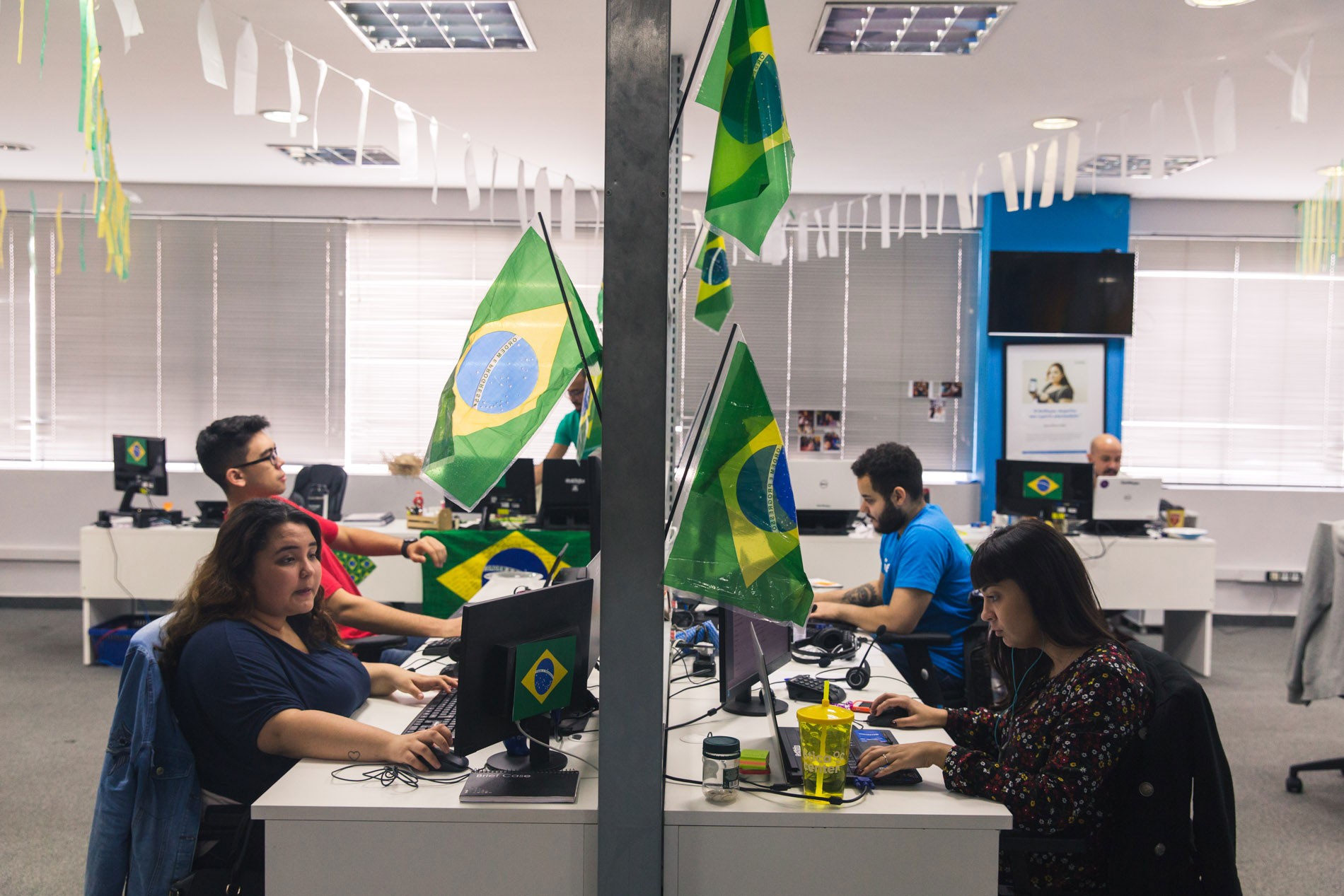
With the Brazilian national team advancing in the 2026 World Cup, anticipation is high for potential matches on weekdays. If Brazil reaches the final, they could play up to four more games, including two scheduled for working days. However, Brazilian labor law does not grant employees the right to leave their posts to watch matches, as these games are not considered holidays. Workers scheduled for shifts must fulfill their duties unless the company grants permission, there is a prior agreement, or collective bargaining agreements stipulate otherwise. For games falling on Sundays, which is a day off for many, compensation and compensatory leave follow the Consolidation of Labor Laws (CLT) and specific category agreements. If Sunday is part of a regular work schedule, double pay is not automatically granted unless stipulated in agreements, unlike some public holidays. Companies can offer flexible schedules or allow employees to watch games, but this requires negotiation and adherence to labor laws and collective norms. Employees who abandon their posts without authorization risk disciplinary actions, including warnings or suspension, and in severe cases, termination for just cause. Labor lawyer Malu Vieira Xavier notes that while termination is the most severe penalty, it depends on the specific circumstances, such as the offense's gravity, recurrence, and damage to the company. Such abandonments are considered more serious in essential services like hospitals, airports, public transport, security, and emergency response, where they can disrupt public services. Employees are obligated to work their scheduled shifts, and any deviation should be pre-negotiated with employers to avoid unauthorized absences.
The scenario highlights a common tension between national sporting events and workplace obligations. While the law mandates employees fulfill their work duties, companies possess the discretion to offer flexibility, balancing operational needs with employee morale. The legal framework prioritizes contractual agreements and collective bargaining, underscoring the importance of formal negotiation over informal expectations. From a future-oriented perspective, as the lines between work and life continue to blur, particularly with the rise of remote and hybrid models, organizations may increasingly explore structured flexibility options. This could involve adjusted work hours, compressed workweeks, or designated viewing periods for significant events, provided they are integrated into operational planning and contractual terms. Such approaches could enhance employee engagement and productivity by acknowledging cultural touchpoints while ensuring business continuity and legal compliance.
AI-generated to prompt reflection — not editorial opinion, not advice, not a statement of fact. How this works.