World Cup Match: Spain vs. Austria Recalls Royal History
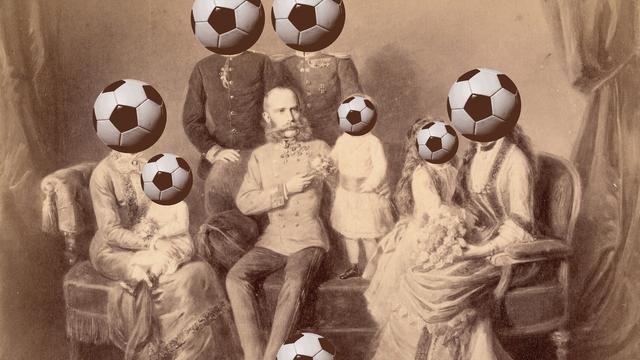
The upcoming World Cup match between Spain and Austria evokes historical connections to royal houses, particularly the Habsburg dynasty. This historical parallel serves as a reminder of a long-standing adage in football: every reign eventually comes to an end. The match is framed as a significant event on the World Cup evening, carrying symbolic weight beyond the immediate competition. The narrative draws a parallel between the rise and fall of royal dynasties and the dynamics of success and decline in sporting arenas. This historical lens adds a layer of narrative depth to the sporting encounter, suggesting that even dominant teams or eras are subject to change. The anticipation for the game is heightened by this historical context, inviting reflection on legacy and the cyclical nature of power and dominance.
This World Cup fixture between Spain and Austria is framed through a historical lens, drawing parallels to royal dynasties and the inevitable end of any 'reign.' While engaging, this narrative framing can subtly imbue the sporting event with a sense of predetermined destiny or excessive historical significance. From a systems perspective, sporting outcomes are driven by current team performance, strategic coaching, player development, and resource allocation, rather than historical precedent or symbolic royal succession. The analysis should focus on the contemporary factors influencing the match, such as team form, tactical approaches, and player availability, while acknowledging that historical narratives can influence public perception and media coverage. Understanding the interplay between historical symbolism and modern competitive dynamics is key to a balanced view.
AI-generated to prompt reflection — not editorial opinion, not advice, not a statement of fact. How this works.