World Cup Narratives: From Red Cards to Underdog Successes
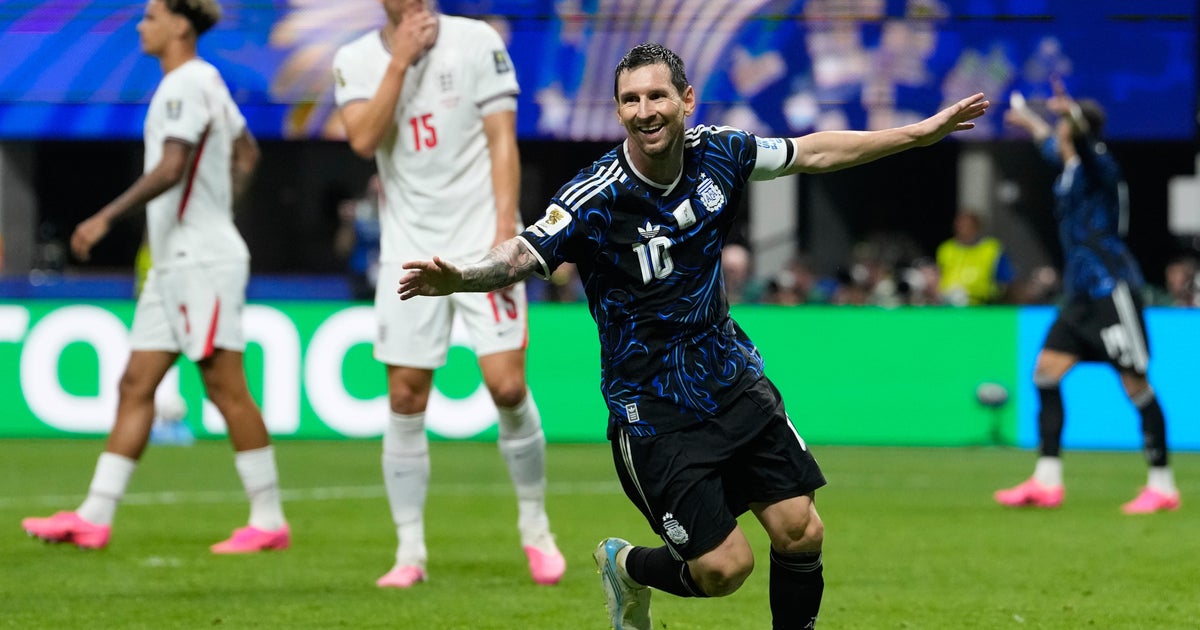
The FIFA World Cup has delivered a series of compelling storylines, ranging from significant disciplinary actions to unexpected team performances. One notable incident involved a red card for player Balogun, which impacted his team's trajectory in the tournament. Beyond individual moments, the competition has also witnessed remarkable underdog runs, challenging pre-tournament expectations and captivating fans. As the tournament progresses, traditional powerhouses are facing stiff competition from emerging teams. Spain is aiming to claim a World Cup title for the first time in sixteen years, highlighting their long-term aspirations for global football supremacy. Meanwhile, Argentina enters the final stages of the competition with the ambition of securing back-to-back championships, a feat that would solidify their legacy. These contrasting narratives of resilience, discipline, and historical ambition are shaping the ongoing World Cup.
The World Cup narrative often intertwines individual player actions, such as disciplinary infractions, with broader team performance and historical context. The presence of established footballing nations like Spain and Argentina vying for the championship underscores the enduring appeal of established hierarchies in global sports. However, the emergence of underdog stories demonstrates the dynamic nature of competitive sport, where strategic play and team cohesion can challenge established power structures. Future World Cups will likely continue to see this interplay between established dominance and the potential for disruptive success, influenced by evolving player development, coaching strategies, and the increasing globalization of talent.
AI-generated to prompt reflection — not editorial opinion, not advice, not a statement of fact. How this works.