World Cup Players Representing Nations Other Than Their Birthplace
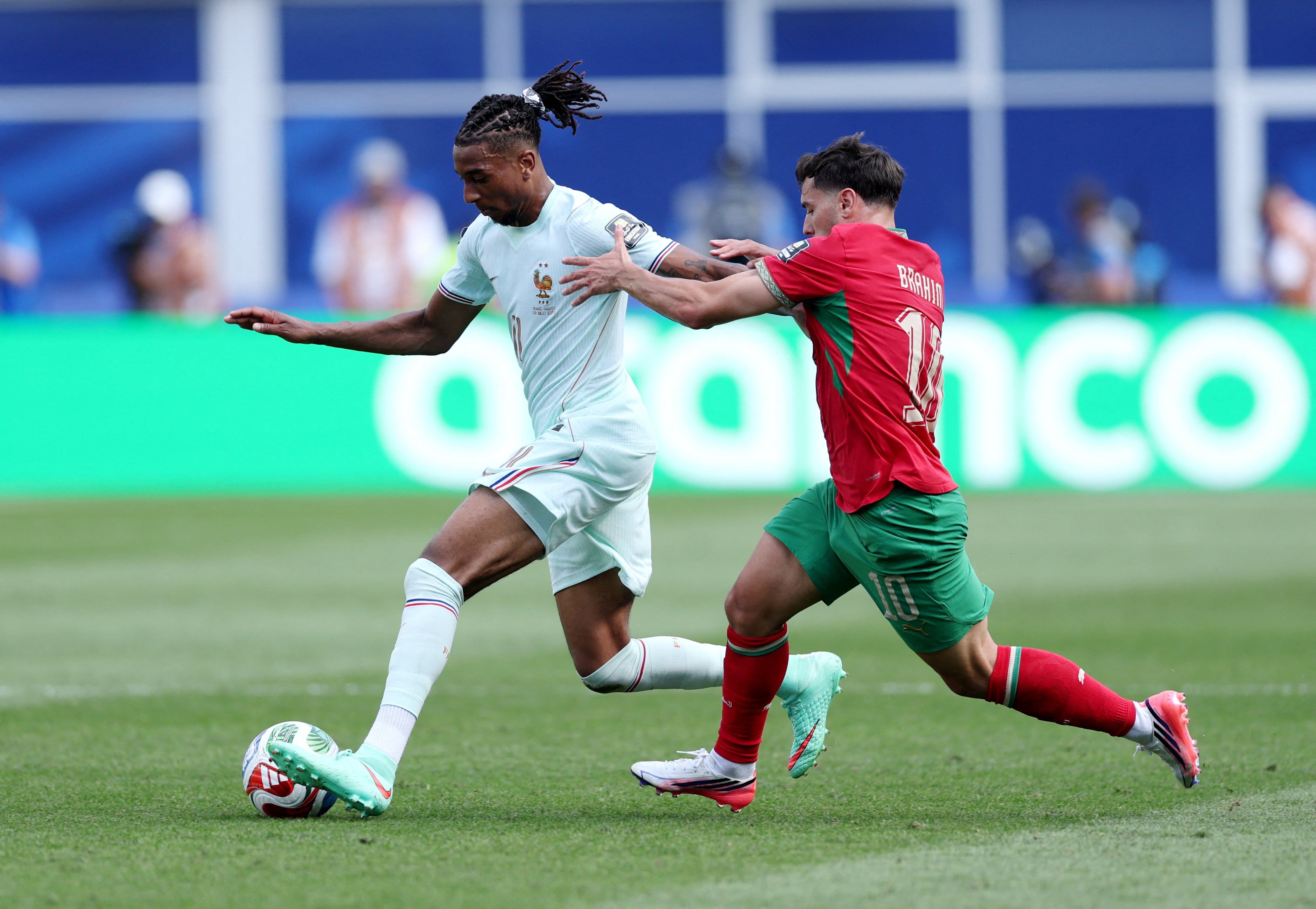
A significant portion of players in the recent World Cup, specifically 23%, competed for a country different from the one where they were born. This phenomenon is not accidental and is considered perfectly acceptable. For instance, 96 players in the tournament were born in France but represented other nations. This trend highlights a complex interplay of factors influencing national team selections and player representation on the global stage. The article suggests that this is a natural outcome of modern football's globalized nature, rather than a point of contention. It implies that players often have multiple national affiliations due to heritage, upbringing, or career opportunities. The practice is presented as a normal aspect of international sports today.
The World Cup's representation statistics reveal a growing trend of players competing for nations other than their birth country. This reflects the increasing globalization of professional sports, where talent can emerge from and move between diverse national contexts. Factors such as dual citizenship, migration patterns, and the strategic recruitment of players by national federations contribute to this dynamic. Understanding the underlying incentives for both players and national teams is key to analyzing this phenomenon. From a systemic perspective, this diversity can enrich international competition, but it also raises questions about national identity and the definition of 'homegrown' talent within sports. Future considerations may involve how international sporting bodies balance global talent mobility with the cultivation of domestic player bases.
AI-generated to prompt reflection — not editorial opinion, not advice, not a statement of fact. How this works.