World Cup's Advertising Comeback After 39 Days of Dominating Attention
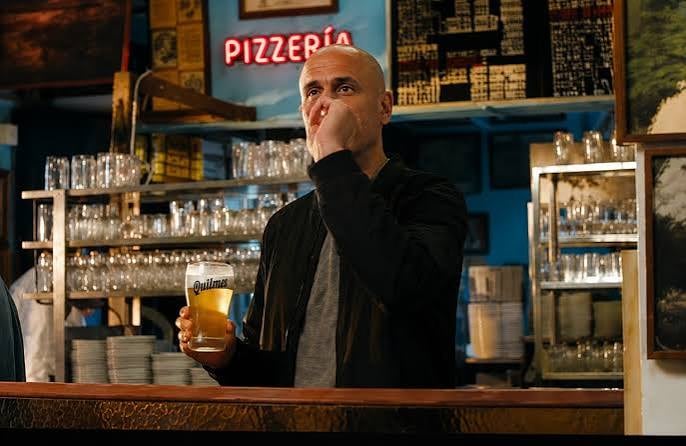
The FIFA World Cup captivated global attention for 39 days, creating a significant advertising opportunity. Following the tournament's conclusion, the advertising industry experienced a resurgence, reclaiming its prominent position in media and consumer focus. This period allowed brands to leverage the heightened consumer engagement that the World Cup generated. The event's extensive duration meant that advertising slots and opportunities were strategically planned around the football matches. As the tournament wrapped up, the advertising landscape shifted back, with brands eager to capture the audience's attention once more. This transition highlights the symbiotic relationship between major sporting events and the advertising sector. The World Cup's massive viewership provided a unique platform for advertisers to connect with a broad demographic. Consequently, the post-World Cup period saw a renewed push in advertising campaigns across various media channels. The industry effectively used the momentum built during the tournament to its advantage.
The World Cup's extensive 39-day run demonstrates the immense power of concentrated global attention, which advertisers strategically leverage. The subsequent advertising 'revenge' suggests a predictable market dynamic where attention, once captured by a major event, can be redirected. This highlights the ongoing challenge for advertisers to secure and maintain audience engagement in an increasingly fragmented media environment. The event's success underscores the enduring appeal of live sports as a platform for mass communication and brand visibility, a trend likely to persist even as digital advertising evolves. Future strategies may involve more integrated campaigns that blend event-specific promotions with sustained brand messaging to capitalize on sustained audience interest.
AI-generated to prompt reflection — not editorial opinion, not advice, not a statement of fact. How this works.