World Cup's Second Phase Thrills with Last-Minute Decisive Goals
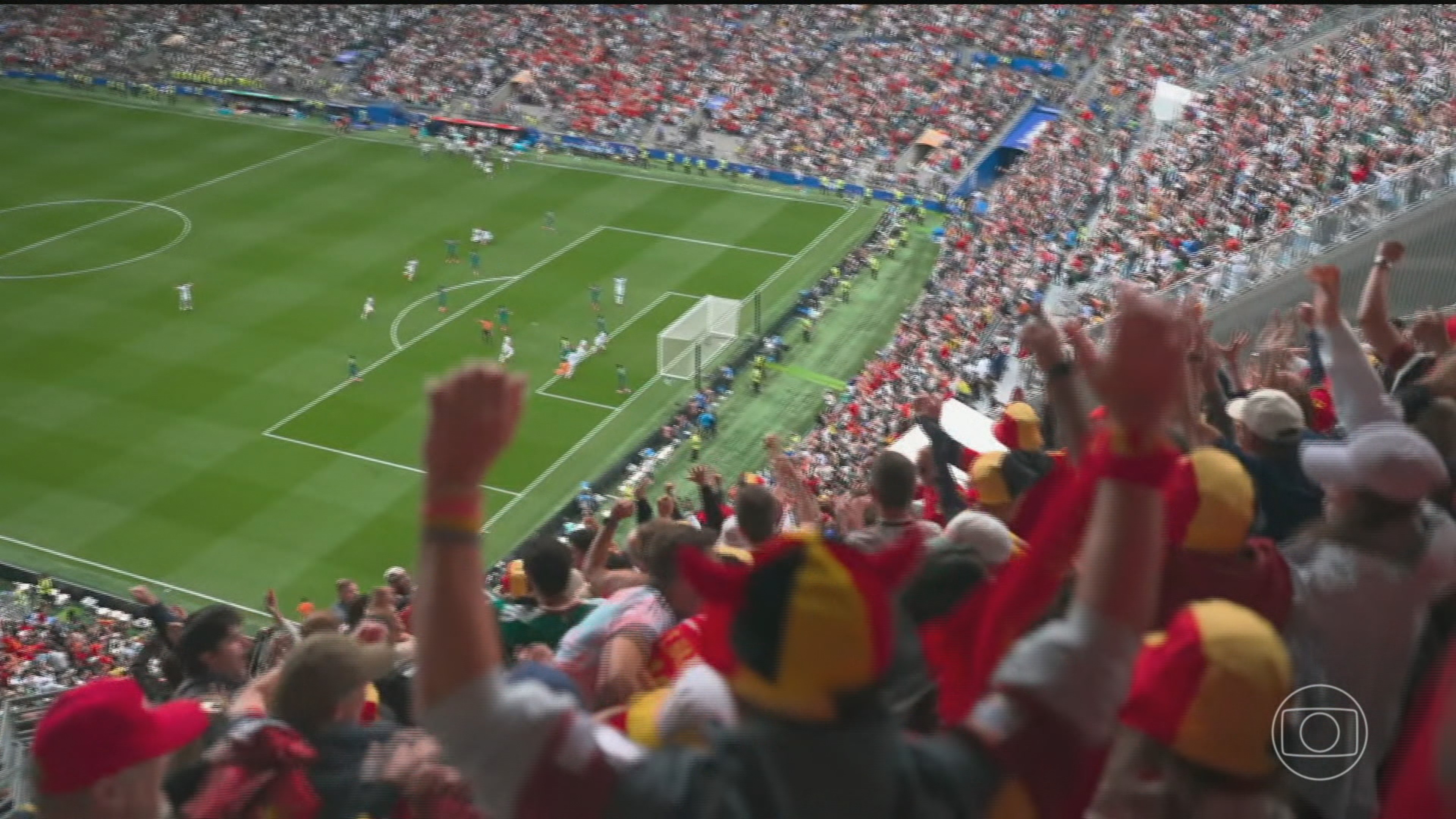
The second phase of the World Cup, concluding on Friday, March 3rd, has been characterized by intense matches decided in the final moments, adding to the tournament's captivating nature. Football's inherent unpredictability, especially in crucial late-game scenarios, has been on full display. Brazil experienced this drama when Gabriel Martinelli scored in the 50th minute of the second half, while Canada also secured qualification in added time. Morocco managed to equalize against the Netherlands in the 45th minute, ultimately winning on penalties.
English and Norwegian fans celebrated decisive goals from their star players late in games. Belgium's qualification against Senegal came in the dying moments of extra time. In Toronto, Canada, Portugal's advancement to the round of 16 also followed a dramatic script. Ivan Perisic opened the scoring for Croatia early in the second half, and Cristiano Ronaldo equalized from a penalty, marking his first knockout stage goal in a World Cup. Gonçalo Ramos then scored what seemed to be the winning goal for Portugal in the 48th minute. However, after over ten minutes of added time, Croatia found an equalizer on the final play. The chip technology in the ball detected an offside infringement in the build-up to Croatia's disallowed goal, overturning the result to a 2-1 victory for Portugal. This dramatic turn of events means Portugal will face Spain in the next round, with Cristiano Ronaldo expressing the team's focus on rest and preparing for the upcoming battle.
This World Cup phase highlights the increasing role of technology in officiating, such as the ball chip used to detect offsides, which can dramatically alter match outcomes. While intended to enhance fairness, such precise technological interventions can lead to controversial decisions that overshadow athletic performance and create significant emotional swings for players and fans. The extended added time in some matches also raises questions about game management and the potential for strategic manipulation of the clock. As technology becomes more integrated into sports, balancing its accuracy with the traditional flow and spirit of the game remains a key challenge for governing bodies.
AI-generated to prompt reflection — not editorial opinion, not advice, not a statement of fact. How this works.