World Cup Semifinals: A Club for Established Nations
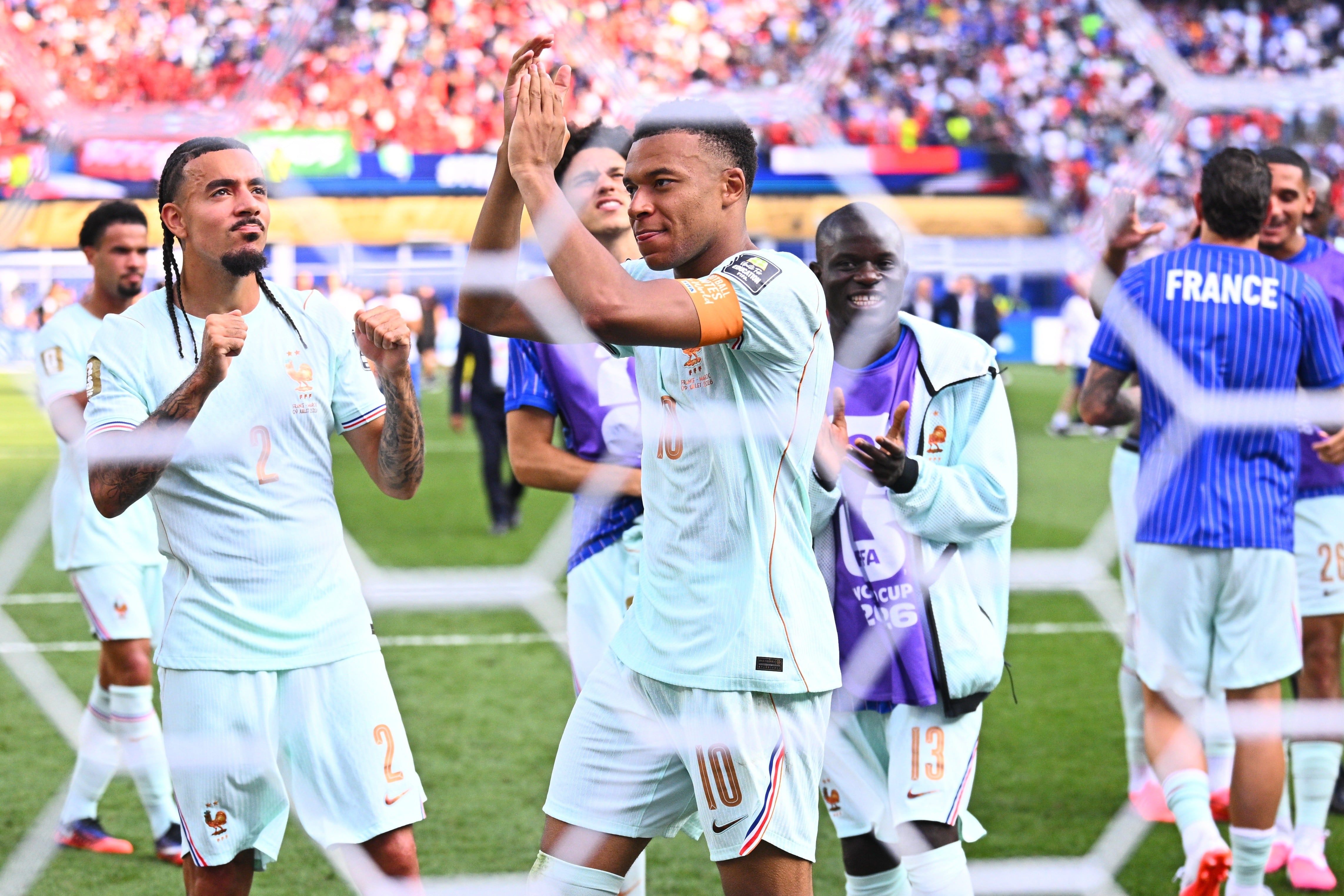
The semifinals of the World Cup have once again become the domain of long-standing footballing nations, a testament to their consistent performance and historical dominance. This exclusive group, often referred to as the 'usual suspects,' does not readily admit new members into its elite circle. The current stage of the tournament highlights that for these established powers, the satisfaction of reaching the final stages often stems from the predictability of their continued success. The structure of the competition, while allowing for broad participation, ultimately favors teams with a proven track record and robust infrastructure. This recurring pattern suggests a deep-seated advantage held by nations that have consistently invested in and prioritized football development over decades. The 'fun' for these teams lies in the affirmation of their enduring strength, as they continue to win against a backdrop of many hopeful contenders.
The World Cup semifinals consistently feature a core group of nations, reflecting a persistent concentration of sporting power. This phenomenon can be attributed to long-term strategic investments in talent development, coaching infrastructure, and national football leagues, creating a self-reinforcing cycle of success. While the tournament format aims for global inclusivity, the economic and structural advantages enjoyed by established footballing countries present a significant barrier to entry for emerging nations. This dynamic raises questions about the long-term sustainability of competitive balance in global sports and whether future iterations might require adjustments to foster greater parity. The current system, while rewarding historical achievement, may inadvertently limit the potential for broader global representation at the highest levels of competition in the coming decade.
AI-generated to prompt reflection — not editorial opinion, not advice, not a statement of fact. How this works.