World Cup Sponsorship Evolves: From Multinational Brands to State-Backed Entities
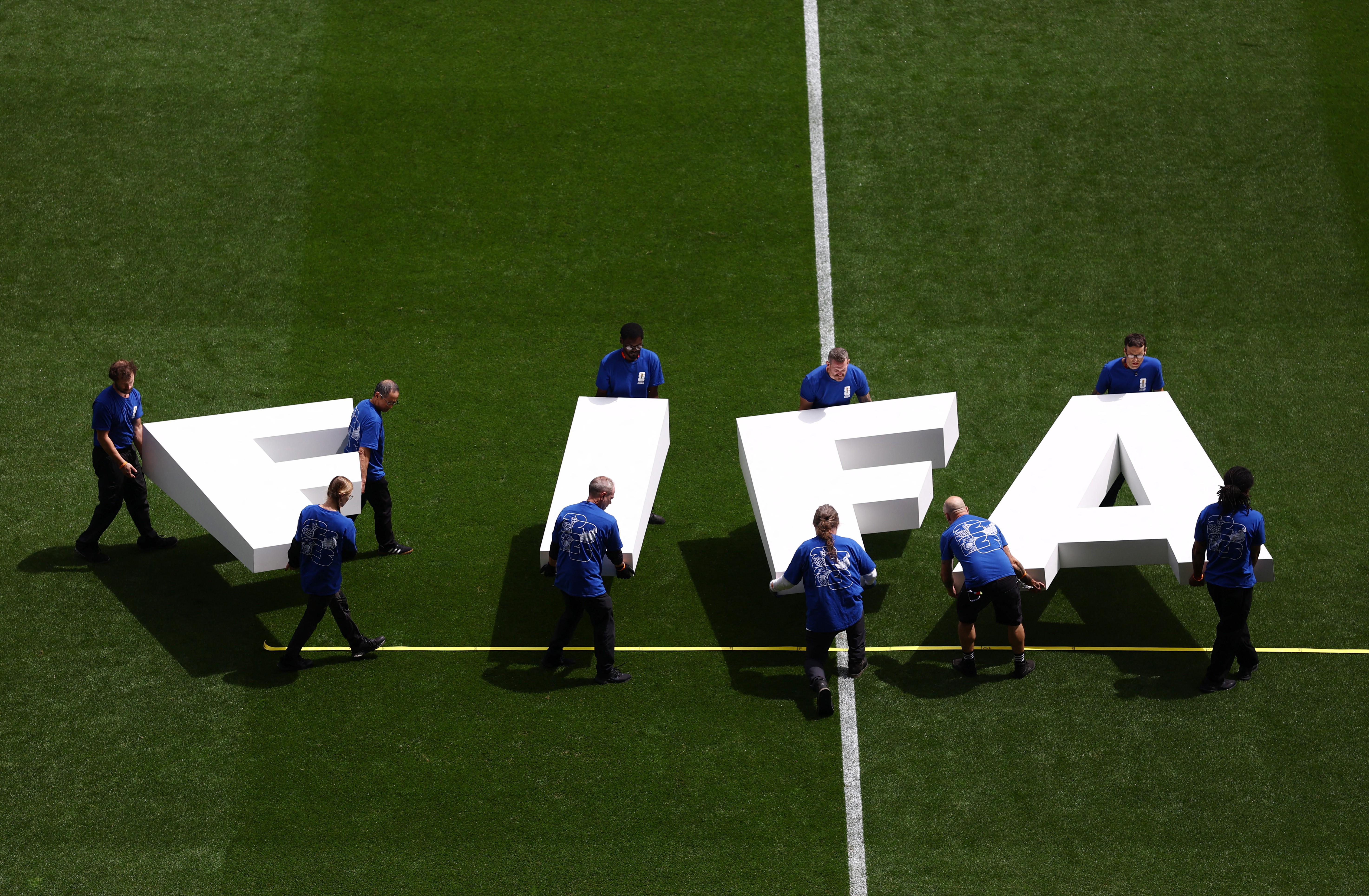
The FIFA World Cup has transformed from a platform primarily for multinational corporations into a valuable commercial space attracting state-owned enterprises, financial institutions, and companies strategically aligned with their home governments. For the 2026 cycle, FIFA anticipates revenues of up to $13 billion, a significant increase from previous decades, with marketing rights revenue projected to reach $1.8 billion. This growth reflects a strategic reorganization of sponsorship categories by FIFA, expanding from a few major partners to a tiered system including FIFA Partners, World Cup Sponsors, and Regional Supporters. Historically, the shift towards broader business engagement began in the 1970s under João Havelange, solidifying the World Cup as a major business and advertising showcase. In recent years, particularly since the 2018 World Cup in Russia and the 2022 tournament hosted by Qatar, state-backed entities like Gazprom, Qatar Airways, and QatarEnergy have become prominent sponsors. This trend signifies a shift where sports sponsorship is increasingly used as a tool for international influence and image management, a concept often referred to as 'sportswashing.' For instance, Saudi Arabia's Aramco, a government-controlled oil company, has secured a top-tier sponsorship deal estimated at $100 million annually. The upcoming 2026 World Cup, co-hosted by the United States, Canada, and Mexico, further diversifies this landscape, with influence now contested not just by host nations but also by the state-affiliated companies integrated into FIFA's commercial structure.
The evolving sponsorship model of the FIFA World Cup highlights a convergence of commercial interests and national strategic objectives. As state-affiliated entities increasingly leverage major sporting events for international visibility and soft power projection, the lines between sport, business, and geopolitics blur. This trend raises questions about governance, transparency, and the potential for 'sportswashing' to overshadow critical global issues. Future iterations of such events may necessitate more robust frameworks to ensure that commercial partnerships align with ethical standards and do not serve to legitimize regimes facing scrutiny for human rights or environmental concerns. The increasing financial scale and strategic importance of these sponsorships suggest a growing role for international sports bodies as conduits for state-level influence campaigns in the coming decade.
AI-generated to prompt reflection — not editorial opinion, not advice, not a statement of fact. How this works.