World Cup Stadiums: European Football Fans Wary of Profit Motives
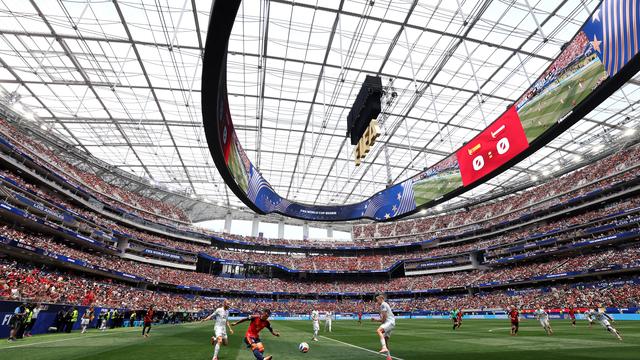
The stadiums built for the World Cup are viewed by their American owners primarily as revenue-generating assets. This perspective, which may cause European football fans to recoil, points towards the future of stadium management and ownership. The underlying concept is that these venues are not just for sporting events but are designed to maximize financial returns through various commercial activities. This approach contrasts with traditional European models where fan experience and club identity might take precedence over pure profit. The article suggests that embracing this profit-oriented future is inevitable for European football infrastructure. It implies that the financial success of these World Cup venues could serve as a model or a wake-up call for how stadiums are financed and operated across Europe. The focus on return on investment highlights a shift in how sports venues are perceived and utilized in the modern era.
The framing of World Cup stadiums as 'profit objects' by their US owners highlights a fundamental divergence in operational philosophy between American and European sports venue management. While European fans may find the emphasis on financial returns off-putting, this approach reflects a global trend towards maximizing revenue streams from sports infrastructure. This perspective suggests that the long-term viability and development of stadiums may increasingly depend on their ability to generate income beyond ticket sales, incorporating commercial leases, naming rights, and entertainment offerings. The challenge for European football lies in adapting to this economic reality without alienating its traditional fanbase or compromising the cultural significance of the sport.
AI-generated to prompt reflection — not editorial opinion, not advice, not a statement of fact. How this works.