World Cup Stars Who Fell Short: A Tale of Two Performances
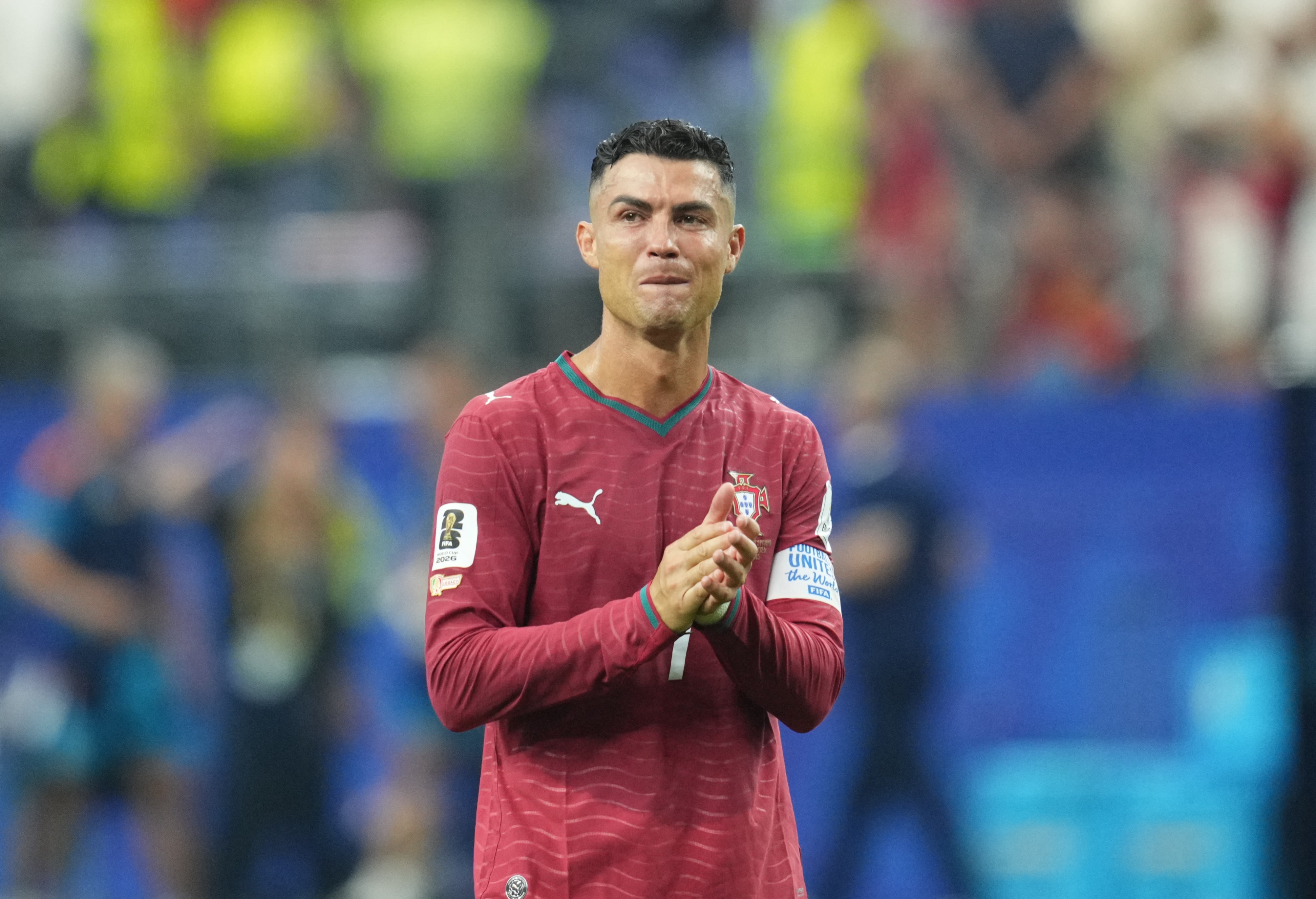
The 2022 FIFA World Cup has seen a notable divergence in the performances of its biggest stars. While some, like Erling Haaland and Kylian Mbappé, have lived up to their immense expectations, others have struggled to make a significant impact. This contrast highlights the unpredictable nature of elite international football.
Players such as Cristiano Ronaldo and Vinicius Jr., despite their global renown and previous successes, have not consistently delivered the standout performances expected of them on this grand stage. Their teams' progression in the tournament has been impacted by these individual efforts. The tournament has, therefore, presented a mixed bag of fortunes for the world's most celebrated footballers, with some shining brightly and others fading into the background.
The World Cup stage often amplifies both the brilliance and the limitations of individual athletes. While some players, like Mbappé and Haaland, demonstrate the capacity to consistently perform under extreme pressure and carry their teams, others, including Ronaldo and Vinicius Jr., face challenges in replicating their club form at the international level. This disparity can be attributed to various factors, including team dynamics, tactical approaches, and the unique pressures of tournament play. Examining these differences offers insights into the evolving landscape of football leadership and the systemic requirements for sustained elite performance across different competitive environments. The next decade will likely see a greater emphasis on developing resilient, adaptable athletes capable of navigating these complex pressures.
AI-generated to prompt reflection — not editorial opinion, not advice, not a statement of fact. How this works.