World Cup Travel Fatigue: Mexico Rests, England Faces Grueling Journey
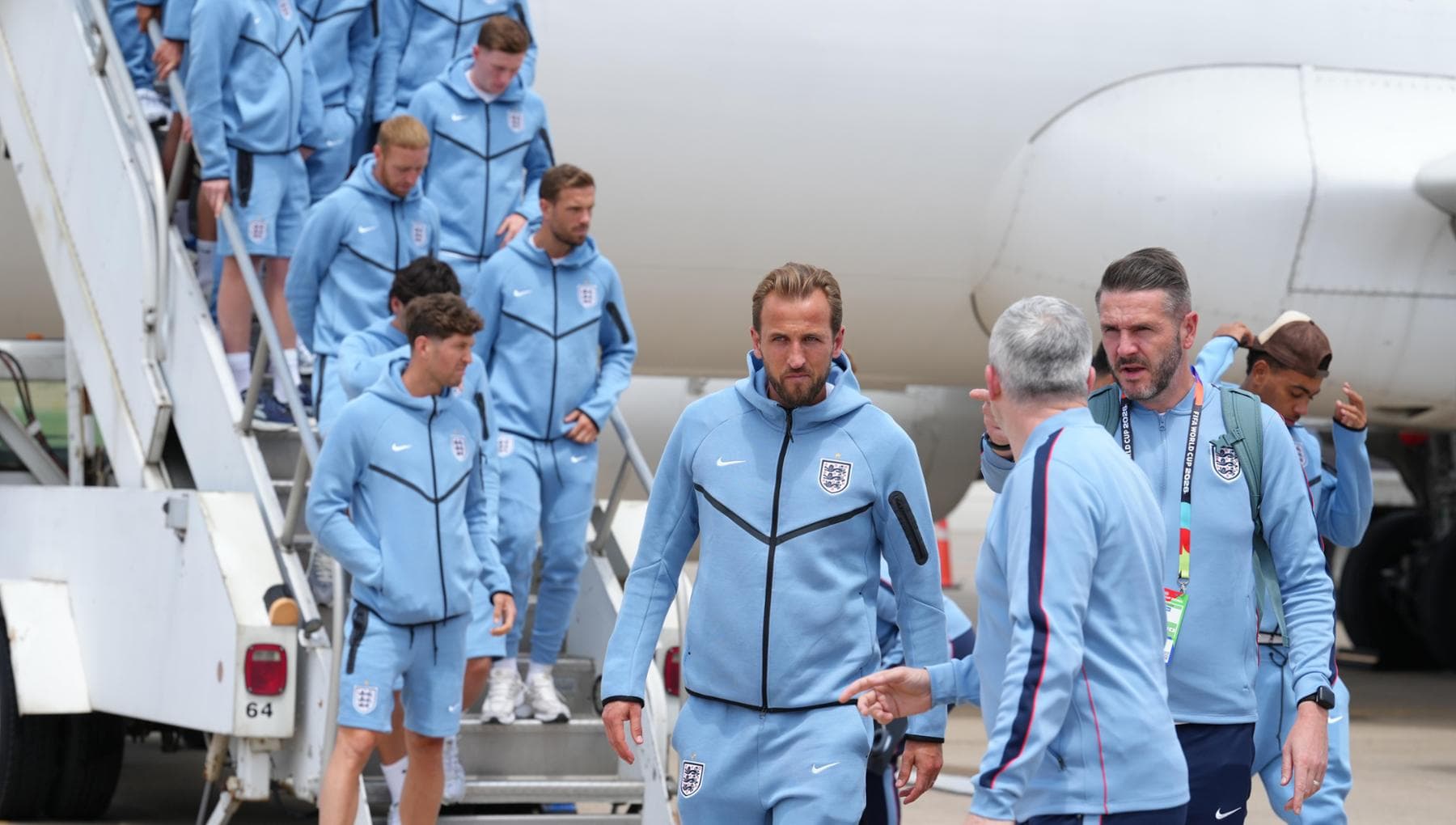
The 2022 World Cup, an "extra-large" tournament, has highlighted significant disparities in travel fatigue among participating teams. Mexico has managed its travel efficiently, seemingly minimizing time spent away from its base. In stark contrast, England faces a daunting challenge, arriving at its matches exhausted after an estimated 40 hours of travel. This extensive travel time likely impacts player performance and recovery. France, however, has demonstrated superior logistical planning by strategically selecting its team base. This choice has significantly reduced the need for extensive travel between venues, allowing players more rest and potentially better preparation. The varying degrees of travel burden underscore the importance of strategic location choices in major international sporting events.
The logistical planning surrounding major international sporting events like the World Cup can significantly influence team performance, creating an uneven playing field based on travel schedules. Teams that strategically choose central or accessible locations for their base camps can mitigate the physical toll of long-distance travel, potentially gaining a competitive advantage. This highlights a systemic challenge in tournament organization: balancing the desire for geographically diverse venues with the need to ensure fair conditions for all competitors. Future event organizers may need to consider more robust frameworks for managing travel impact, perhaps through stricter venue proximity rules or providing enhanced logistical support to all teams, to ensure that athletic competition is determined by skill rather than travel endurance.
AI-generated to prompt reflection — not editorial opinion, not advice, not a statement of fact. How this works.