World Cup Triggers Gambling Addiction Concerns, Especially with Online Betting
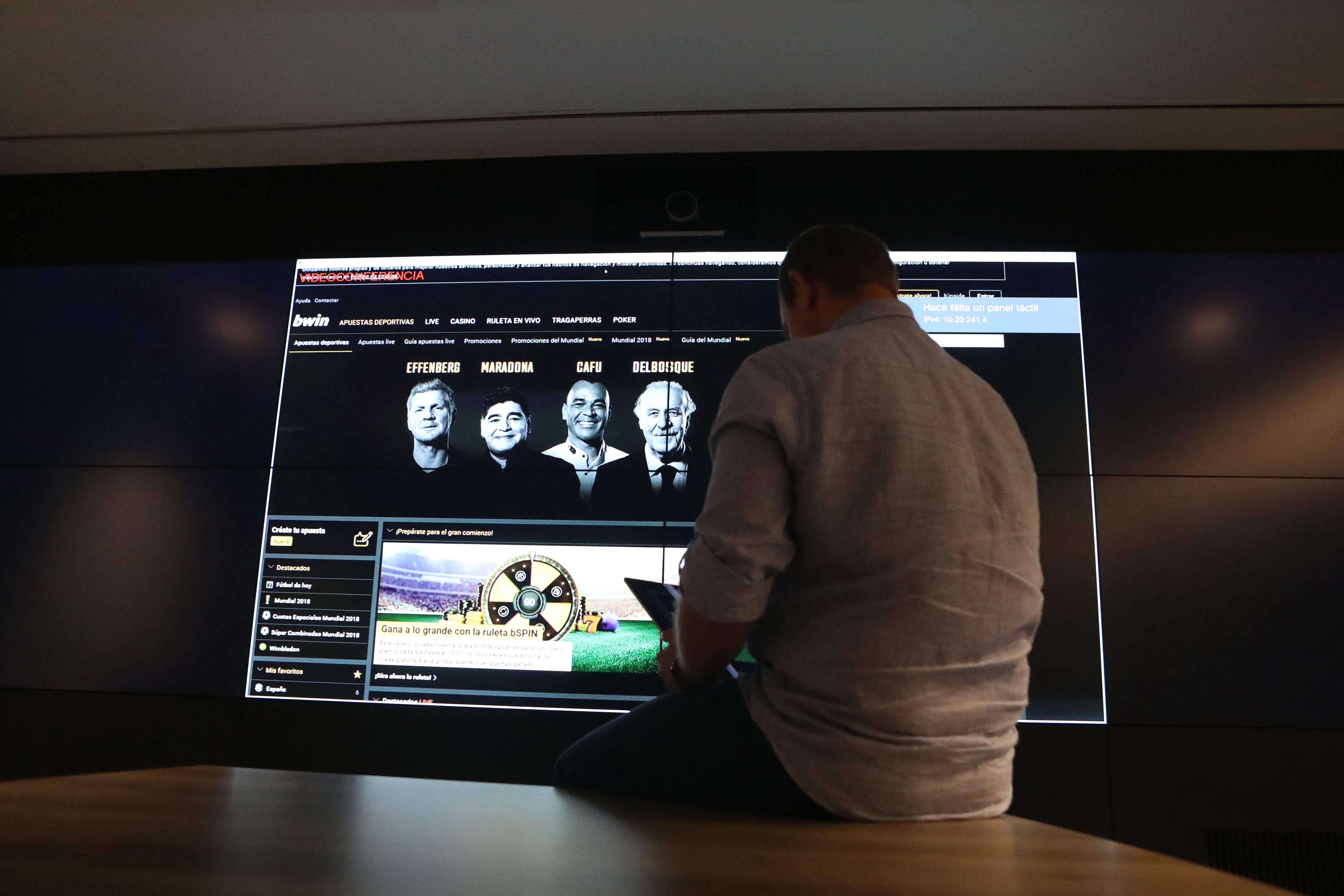
The global sporting event, the World Cup, has raised alarms for individuals struggling with gambling addiction. Many of these individuals now exhibit new patterns of behavior, heavily influenced by the rise of online betting platforms. The accessibility and constant availability of online gambling have exacerbated existing problems and created new challenges for those susceptible to addiction. Experts are concerned that the heightened excitement and widespread promotion surrounding the World Cup could lead to increased gambling activity. This is particularly worrying given the ease with which people can place bets through their smartphones and computers. The phrase "The worst thing that can happen to you is winning" highlights the paradoxical nature of addiction, where even positive outcomes can reinforce destructive behaviors. The interconnectedness of sports events and betting underscores the need for greater awareness and support systems to address the growing issue of gambling addiction in the digital age.
The confluence of major sporting events like the World Cup and the proliferation of online betting platforms presents a significant public health challenge. The accessibility and gamified nature of digital betting can lower barriers to entry, potentially exacerbating gambling disorder among vulnerable populations. From a systems perspective, the economic incentives driving both sports organizations and betting companies create a complex ecosystem where the potential for addiction is often overshadowed by revenue generation. Future regulatory frameworks will need to balance commercial interests with robust consumer protection measures, focusing on harm reduction strategies and accessible treatment options. The long-term societal impact will depend on proactive interventions that address the underlying psychological and economic drivers of addictive behaviors in an increasingly digitalized world.
AI-generated to prompt reflection — not editorial opinion, not advice, not a statement of fact. How this works.