World Cup Trophy: Solid Gold, Malachite Base, and Priceless History
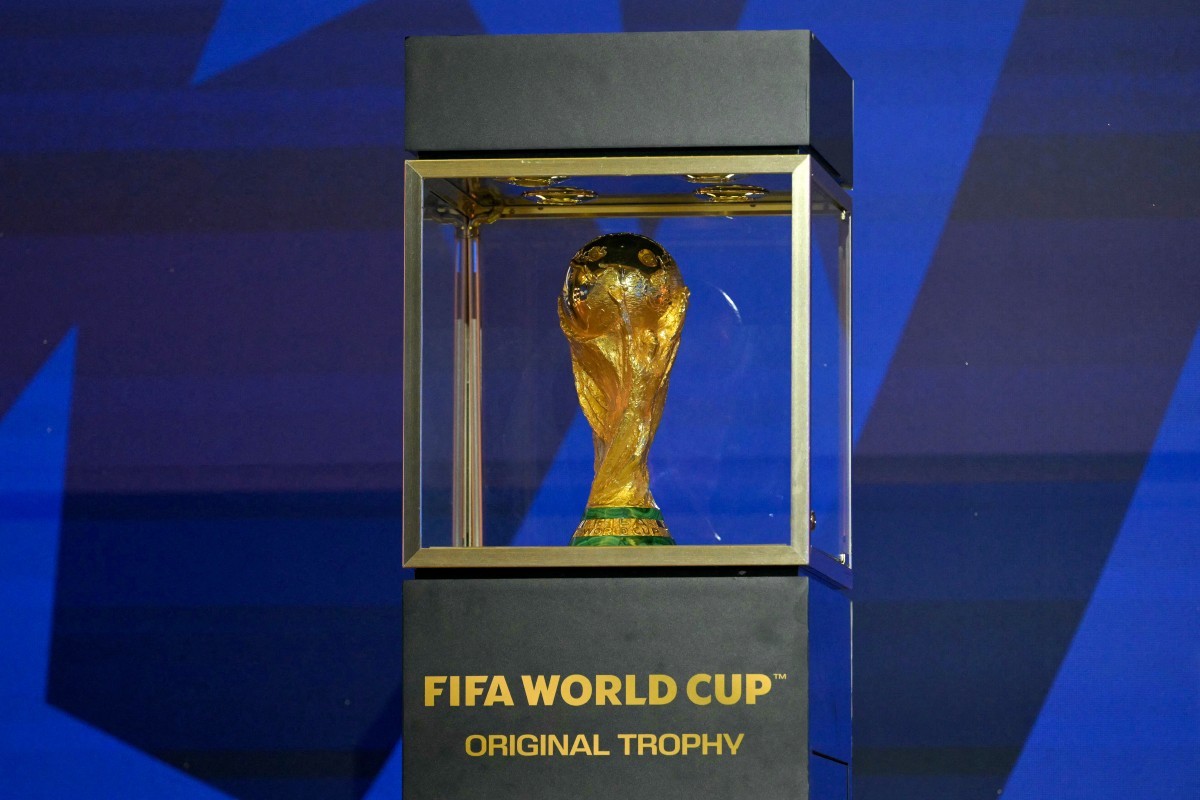
The coveted FIFA World Cup trophy, to be awarded on Sunday, December 19th, 2026, is a significant artifact crafted from 18-karat solid gold and adorned with malachite, a semi-precious stone, on its base. Standing 36.5 centimeters tall and weighing approximately 6.175 kilograms, the trophy is primarily composed of a gold alloy containing about 75% pure gold. The circular base features two layers of malachite, known for its distinctive green hue and natural patterns. While FIFA does not officially disclose the trophy's price, experts estimate the gold alone to be worth millions, though its historical and sporting value makes it virtually incalculable.
The current trophy was commissioned in 1971 after Brazil permanently won the original Jules Rimet trophy by securing their third World Cup title in 1970. Introduced at the 1974 World Cup in Germany, this new design has been presented to champions ever since. Unlike the Jules Rimet trophy, the winning nation does not keep the original World Cup trophy permanently. Instead, they receive a gold-plated replica after the award ceremony, while the original remains with FIFA for official ceremonies.
Each champion's name is engraved on a spiral band around the base, and the limited space available suggests that FIFA will eventually need to decide on modifications or a new trophy design when all inscriptions are filled. The trophy's design was selected from over 50 submissions in a FIFA contest, with Italian artist Silvio Gazzaniga being the winner. Gazzaniga envisioned the trophy as representing two human figures holding up the Earth, symbolizing unity among athletes and peoples through football. The 2026 final will see Argentina, the reigning champions, face Spain.
The FIFA World Cup trophy represents a confluence of immense symbolic value, material wealth, and historical legacy. Its construction from 18-karat gold and semi-precious stones underscores the premium placed on this global sporting event, while the practice of providing replicas to winners and retaining the original by FIFA highlights a governance model balancing tradition with centralized control. The limited inscription space on the current trophy presents a predictable future challenge for FIFA, prompting consideration of system evolution or replacement. This situation reflects broader trends in asset management and legacy preservation within major international organizations, where the physical manifestation of achievement must adapt to accumulating history and evolving logistical capacities.
AI-generated to prompt reflection — not editorial opinion, not advice, not a statement of fact. How this works.