World Cup Winner Prediction: What a Supercomputer Revealed
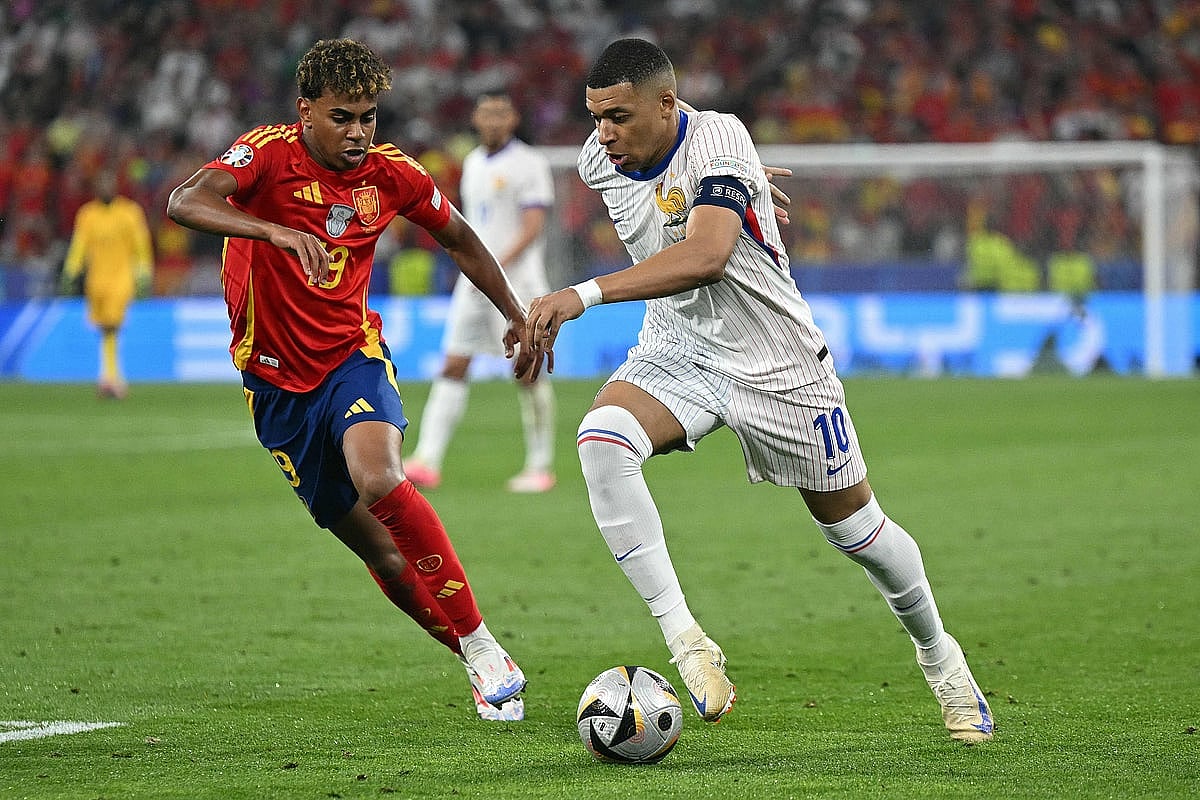
A supercomputer has analyzed the upcoming World Cup to predict the winner. The advanced computational model processed extensive data to forecast the most likely outcome of the tournament. While the specific methodology and data sources used by the supercomputer are not detailed, the prediction offers an intriguing glimpse into the potential future of the competition.
The supercomputer's projection takes into account various factors that influence football match results. These could include team performance statistics, player form, historical head-to-head records, and even external elements like venue and travel. The aim is to provide a statistically-driven forecast that goes beyond traditional punditry.
This technological approach to sports prediction highlights the growing intersection of artificial intelligence and popular events. As supercomputers become more powerful and data more abundant, their ability to forecast complex scenarios like a global football tournament continues to evolve. The results of this prediction will undoubtedly be closely watched as the World Cup unfolds.
The application of supercomputing to predict World Cup outcomes represents a fascinating convergence of data science and global sports enthusiasm. While such models can offer statistically grounded probabilities, it's crucial to recognize their inherent limitations. Football, like many complex systems, involves elements of human unpredictability, emergent team dynamics, and sheer chance that are difficult to fully quantify. The analysis serves as a probabilistic forecast, not a deterministic certainty, prompting observers to consider the interplay between quantifiable data and the intangible aspects of athletic competition. This technological lens can refine our understanding of performance factors, but the ultimate narrative of the tournament will still be written on the field.
AI-generated to prompt reflection — not editorial opinion, not advice, not a statement of fact. How this works.